Advanced Crop Irrigation Systems - Maximize Yields with Smart Water Management Technology

All Categories

Get a Free Quote

Our representative will contact you soon.
Email
Name
Whats App
Message
0/1000

crop irrigation systems

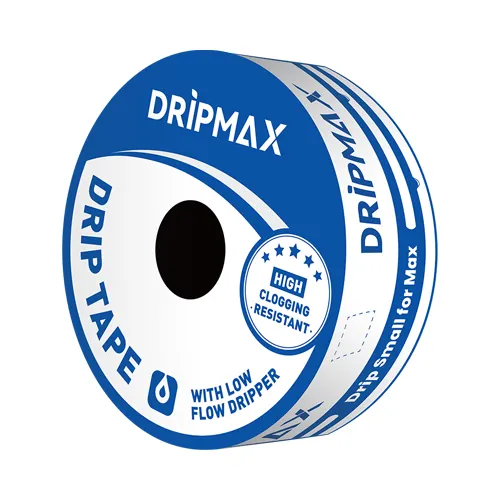
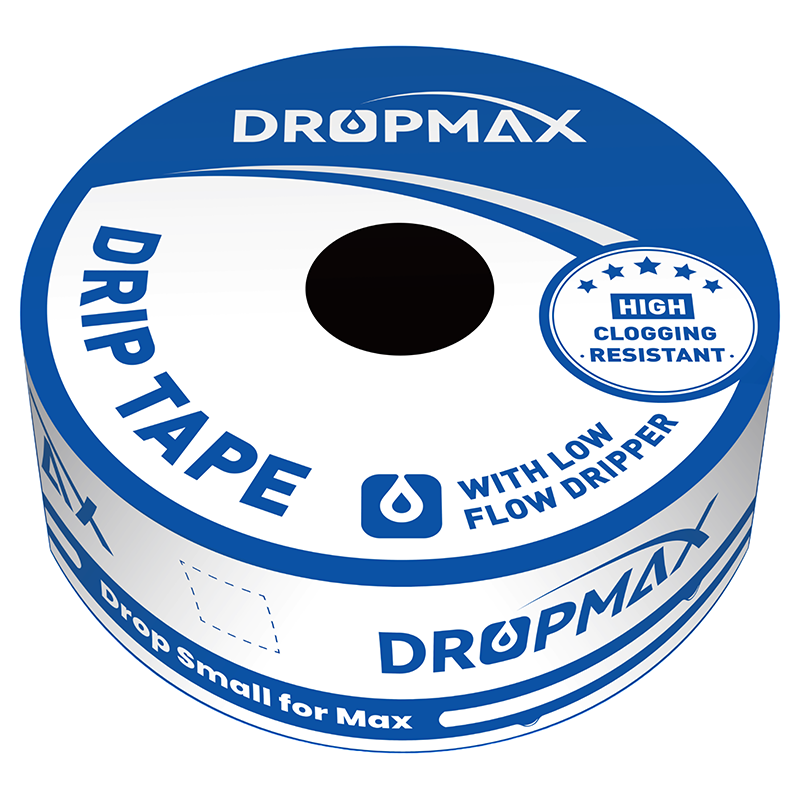

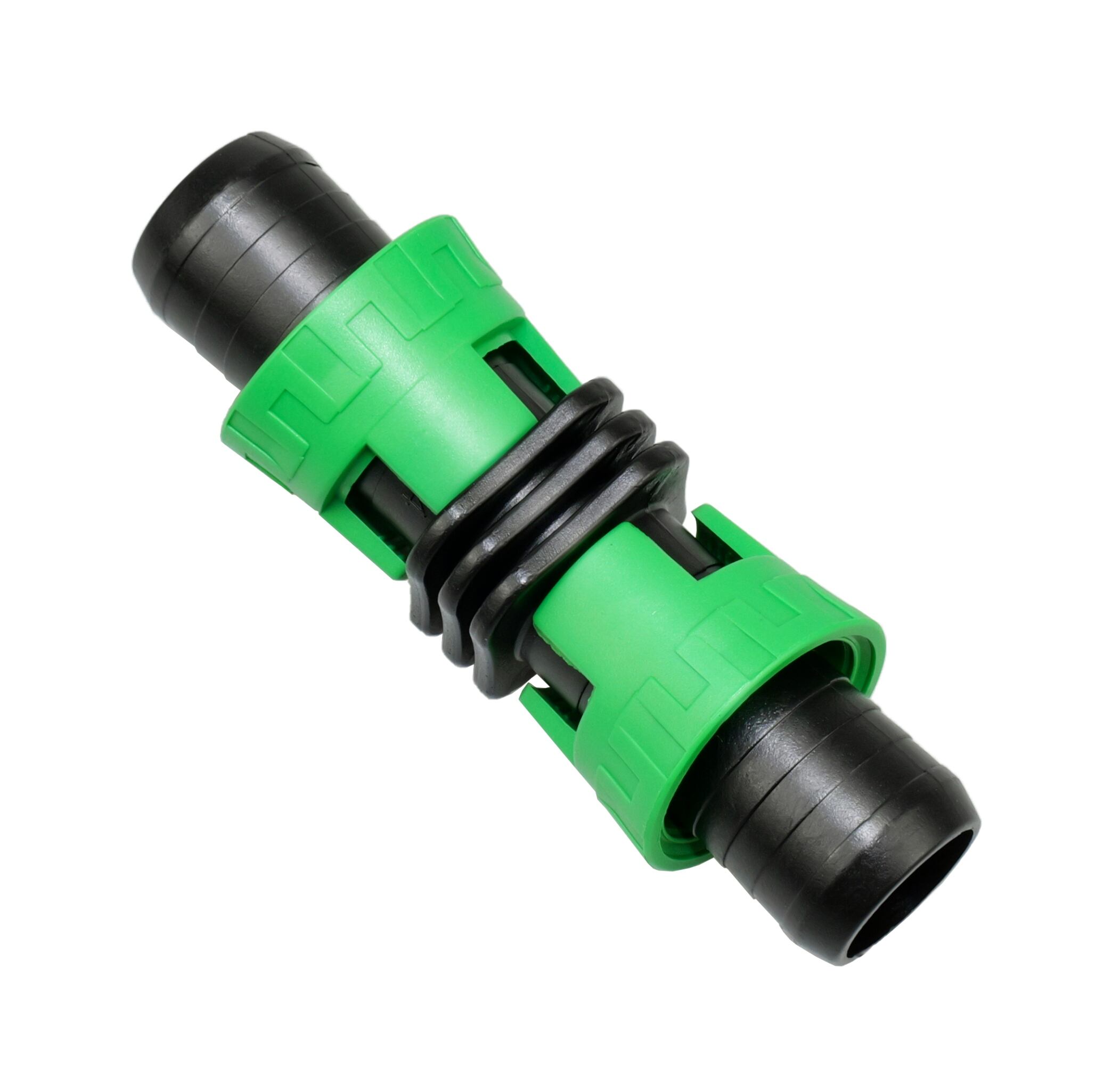
Crop irrigation systems represent sophisticated agricultural infrastructure designed to deliver controlled water distribution to cultivated fields and farmland. These comprehensive systems encompass various technologies including drip irrigation, sprinkler networks, center pivot systems, and micro-irrigation solutions that ensure optimal water delivery to plant root zones. The primary function of modern crop irrigation systems involves precise water management through automated scheduling, flow rate control, and targeted application methods that maximize agricultural productivity while minimizing resource waste. Technological features include smart sensors that monitor soil moisture levels, weather-responsive controllers that adjust watering schedules based on environmental conditions, and programmable timers that enable customized irrigation cycles for different crop varieties. Advanced crop irrigation systems integrate GPS technology for field mapping, variable rate application capabilities that adjust water distribution according to specific zone requirements, and remote monitoring systems that allow farmers to control operations from mobile devices. These systems utilize pressure-compensating emitters, filtration components, and distribution networks designed to maintain consistent water pressure throughout the entire irrigation infrastructure. Applications span across diverse agricultural sectors including row crop farming, orchard management, vineyard cultivation, greenhouse operations, and specialty crop production. Commercial farms implement crop irrigation systems for large-scale field irrigation covering hundreds of acres, while smaller operations benefit from modular systems that can be customized to specific field configurations. The technology supports precision agriculture practices by enabling zone-specific watering schedules that account for varying soil types, crop growth stages, and microclimatic conditions. Modern crop irrigation systems incorporate sustainable practices through water conservation features, energy-efficient pumping systems, and integration with renewable energy sources. These comprehensive solutions address the growing demand for efficient water management in agriculture while supporting increased crop yields and improved resource utilization across various farming operations.

New Product Recommendations

Crop irrigation systems deliver substantial water conservation benefits by reducing agricultural water consumption through precise application methods that eliminate overwatering and minimize evaporation losses. These systems enable farmers to reduce water usage by up to forty percent compared to traditional flooding techniques while maintaining or increasing crop yields through targeted root zone watering. The automated scheduling capabilities of modern crop irrigation systems eliminate guesswork in watering decisions, ensuring plants receive optimal moisture levels at critical growth stages without manual intervention. Farmers experience significant labor cost reductions since automated crop irrigation systems operate independently, freeing agricultural workers to focus on other essential farm activities while maintaining consistent watering schedules throughout growing seasons. Energy efficiency represents another major advantage, as modern crop irrigation systems utilize variable speed pumps and pressure-compensating components that reduce power consumption while maintaining optimal system performance. The precision application methods prevent soil erosion and nutrient leaching, helping farmers maintain soil health and reduce fertilizer requirements through improved nutrient retention in root zones. Crop irrigation systems support enhanced plant health by delivering consistent moisture levels that reduce plant stress, minimize disease pressure, and promote robust root development throughout growing seasons. Increased crop yields result from optimal growing conditions created by precise water management, with many farmers reporting yield improvements ranging from fifteen to thirty percent after implementing advanced irrigation technologies. These systems provide flexibility in crop selection and planting schedules by creating controlled growing environments that extend growing seasons and enable cultivation of water-sensitive crops in previously unsuitable locations. Weather independence becomes achievable through crop irrigation systems that maintain consistent watering regardless of rainfall patterns, protecting farmers from drought conditions and unpredictable weather events. The technology enables precise fertilizer and chemical application through fertigation capabilities, reducing input costs while improving nutrient uptake efficiency. Long-term cost savings emerge through reduced water bills, lower labor expenses, decreased fertilizer requirements, and improved crop quality that commands premium market prices. Crop irrigation systems enhance property values by creating productive agricultural assets that demonstrate sustainable farming practices and water stewardship. Environmental benefits include reduced groundwater depletion, minimized agricultural runoff, and improved watershed management through efficient water utilization practices that support sustainable agriculture.

Tips And Tricks

DripMax Launches Silver Drip Tape: Elevating Irrigation Efficiency

12

Dec

DripMax Launches Silver Drip Tape: Elevating Irrigation Efficiency

View More
 Prevent Clogging: Self-Cleaning Drip Tape Technology Explained

23

Jul

Prevent Clogging: Self-Cleaning Drip Tape Technology Explained

Explore the challenges of drip system clogging and discover innovative solutions with self-cleaning drip tape technology. Learn about common causes of blockages, benefits of self-cleaning systems, and installation best practices.
View More
What Is Drip Irrigation and How Does It Work?

29

Aug

What Is Drip Irrigation and How Does It Work?

View More
Why Is Drip Irrigation Ideal for Water Conservation?

29

Aug

Why Is Drip Irrigation Ideal for Water Conservation?

View More

Get a Free Quote

Our representative will contact you soon.
Email
Name
Company Name
Message
0/1000

crop irrigation systems

Smart Water Management Technology

Smart Water Management Technology

Advanced crop irrigation systems incorporate intelligent water management technology that revolutionizes traditional farming practices through precision moisture control and automated scheduling capabilities. This sophisticated technology utilizes soil moisture sensors strategically placed throughout fields to continuously monitor root zone conditions, ensuring plants receive optimal hydration without waste or deficiency. The smart controllers integrated into these crop irrigation systems analyze real-time data from multiple sources including weather stations, soil sensors, and plant monitoring devices to make informed watering decisions that adapt to changing environmental conditions. Farmers benefit from programmable scheduling features that allow customization of irrigation cycles based on specific crop requirements, growth stages, and seasonal variations, eliminating the need for manual adjustments and reducing labor dependency. The technology includes weather-responsive features that automatically adjust watering schedules based on rainfall predictions, temperature fluctuations, and humidity levels, preventing overwatering during wet periods and ensuring adequate moisture during dry spells. Remote monitoring capabilities enable farmers to control and monitor their crop irrigation systems from smartphones or computers, providing real-time alerts about system status, maintenance needs, and operational performance. Variable rate irrigation technology allows different zones within the same field to receive customized watering schedules based on soil type, slope, plant variety, and microclimatic conditions, maximizing efficiency across diverse growing areas. The smart technology includes diagnostic features that identify potential issues such as clogged emitters, pressure variations, or pump malfunctions before they impact crop health or system performance. Data logging capabilities provide valuable insights into water usage patterns, system efficiency, and crop response, helping farmers make informed decisions about irrigation scheduling and system optimization. Integration with farm management software allows crop irrigation systems to coordinate with other agricultural operations including fertilizer application, pest management, and harvest scheduling. The technology supports precision agriculture practices by enabling zone-specific management strategies that account for field variability and crop-specific requirements, resulting in improved resource utilization and enhanced agricultural productivity.
Water Conservation and Efficiency

Water Conservation and Efficiency

Modern crop irrigation systems excel in water conservation through innovative application methods and efficiency technologies that dramatically reduce agricultural water consumption while maintaining optimal growing conditions. These systems implement precise water delivery mechanisms including drip irrigation, micro-sprinklers, and low-pressure application methods that target water directly to plant root zones, eliminating surface runoff and minimizing evaporation losses that plague traditional irrigation methods. The conservation benefits extend beyond simple water savings, as crop irrigation systems help preserve groundwater resources and reduce strain on municipal water supplies through efficient utilization practices. Pressure-compensating emitters ensure uniform water distribution across varying field elevations and distances from water sources, preventing overwatering in low-pressure areas and underwatering in high-pressure zones. Filtration systems integrated into crop irrigation systems protect emitters from clogging while reducing maintenance requirements and ensuring consistent water flow throughout the entire irrigation network. The technology includes flow monitoring capabilities that track water usage patterns and identify potential leaks or inefficiencies, enabling prompt maintenance and preventing water waste. Scheduling optimization features analyze historical weather data, soil conditions, and crop requirements to determine the most efficient watering times and durations, reducing water consumption while maximizing plant uptake. Deficit irrigation strategies supported by advanced crop irrigation systems allow controlled water stress during specific growth stages, improving water use efficiency without compromising yield quality or quantity. The systems support water recycling and reuse through integration with greywater systems, rainwater harvesting, and agricultural drainage recovery, further enhancing conservation efforts. Fertigation capabilities enable simultaneous water and nutrient delivery, reducing the need for separate fertilizer applications and improving nutrient uptake efficiency while conserving water resources. Zone management features allow different field areas to operate on independent schedules based on specific water requirements, preventing overwatering of areas with lower water needs. The conservation benefits translate into significant cost savings through reduced water bills, lower energy consumption for pumping, and decreased fertilizer requirements due to improved nutrient retention. Environmental stewardship benefits include reduced agricultural runoff, minimized groundwater depletion, and improved watershed management practices that support sustainable farming operations and community water conservation efforts.
Increased Crop Yield and Quality

Increased Crop Yield and Quality

Crop irrigation systems deliver exceptional improvements in both crop yield quantity and produce quality through precise water management that creates optimal growing conditions throughout the entire cultivation cycle. The controlled moisture environment established by these systems eliminates water stress that commonly reduces plant productivity, enabling crops to achieve their full genetic potential for growth and production. Consistent water availability provided by crop irrigation systems supports robust root development, enhanced nutrient uptake, and improved photosynthetic activity that directly translates into increased biomass production and higher yields. The technology enables farmers to maintain optimal soil moisture levels during critical growth phases such as flowering, fruit set, and grain filling, when water stress can significantly impact final yields and crop quality. Uniform water distribution achieved through precision application methods ensures consistent plant development across entire fields, eliminating the yield variations common in rain-fed agriculture or less sophisticated irrigation approaches. The systems support extended growing seasons by providing reliable water sources that enable early planting and delayed harvest schedules, maximizing production potential and market opportunities. Quality improvements result from consistent moisture management that prevents stress-related defects such as blossom end rot in tomatoes, bitter pit in apples, and tip burn in lettuce, producing premium crops that command higher market prices. Reduced disease pressure occurs when crop irrigation systems deliver water directly to root zones while keeping foliage dry, minimizing conditions that promote fungal and bacterial infections that compromise crop quality and marketability. The technology enables cultivation of high-value specialty crops that require precise water management, expanding farmers' market opportunities and potential profitability through diversified production strategies. Harvest timing flexibility results from consistent growing conditions that allow farmers to schedule harvests based on market demands rather than weather constraints, optimizing sales opportunities and crop quality. Improved post-harvest storage characteristics develop in crops grown with optimal irrigation management, as properly hydrated plants produce fruits and vegetables with better texture, longer shelf life, and superior nutritional content. The yield improvements typically range from fifteen to thirty percent compared to traditional irrigation methods, while quality enhancements often result in premium pricing that significantly increases overall farm profitability. Crop irrigation systems enable farmers to meet specific market requirements for size, appearance, and quality consistency that are essential for contracts with food processors, retailers, and export markets.

Get a Free Quote

Our representative will contact you soon.
Email
Name
Company Name
Message
0/1000