Advanced Drip System for Agriculture: Precision Irrigation Solutions for Modern Farming

All Categories

Get a Free Quote

Our representative will contact you soon.
Email
Name
Whats App
Message
0/1000

drip system for agriculture

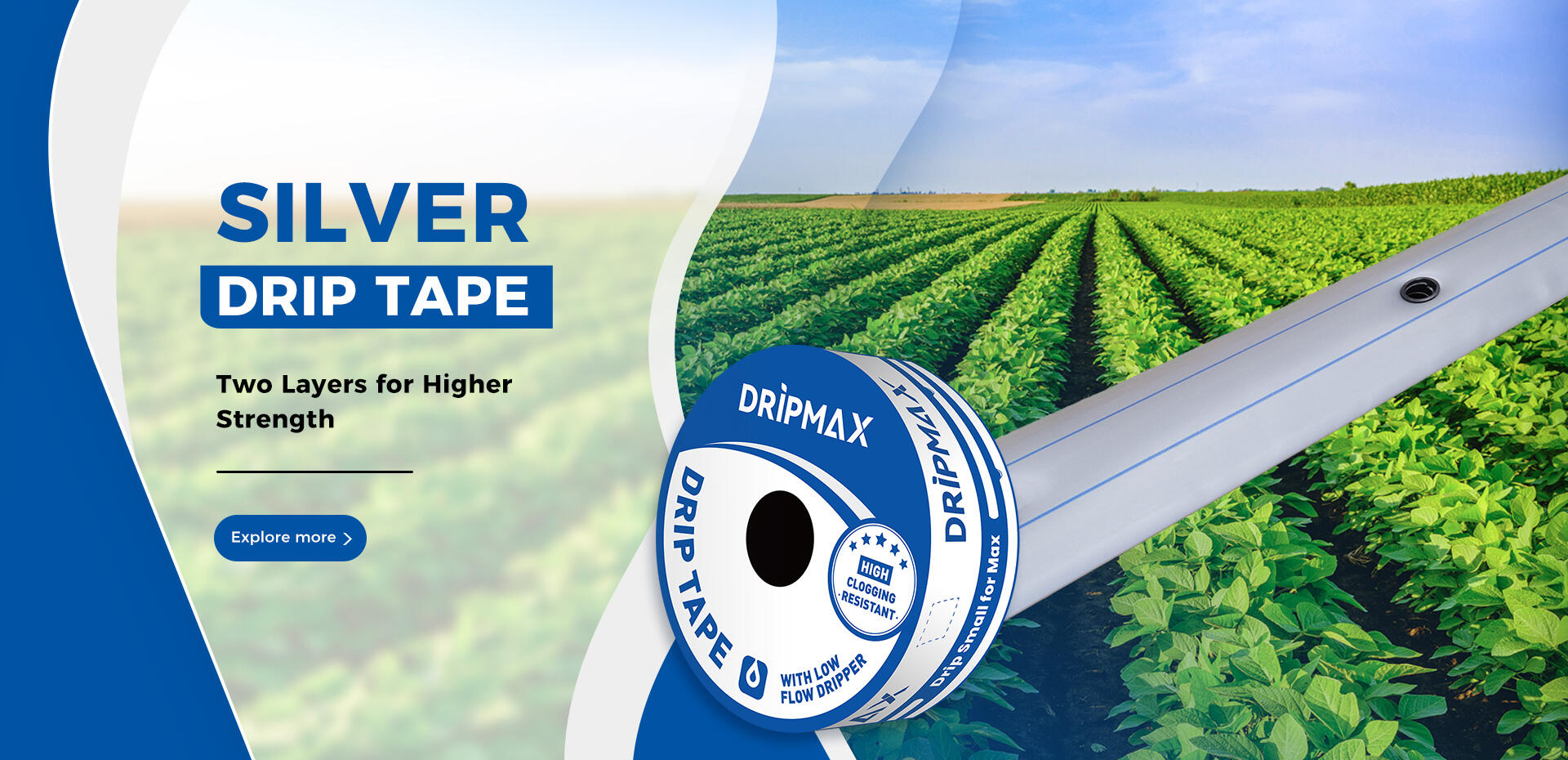
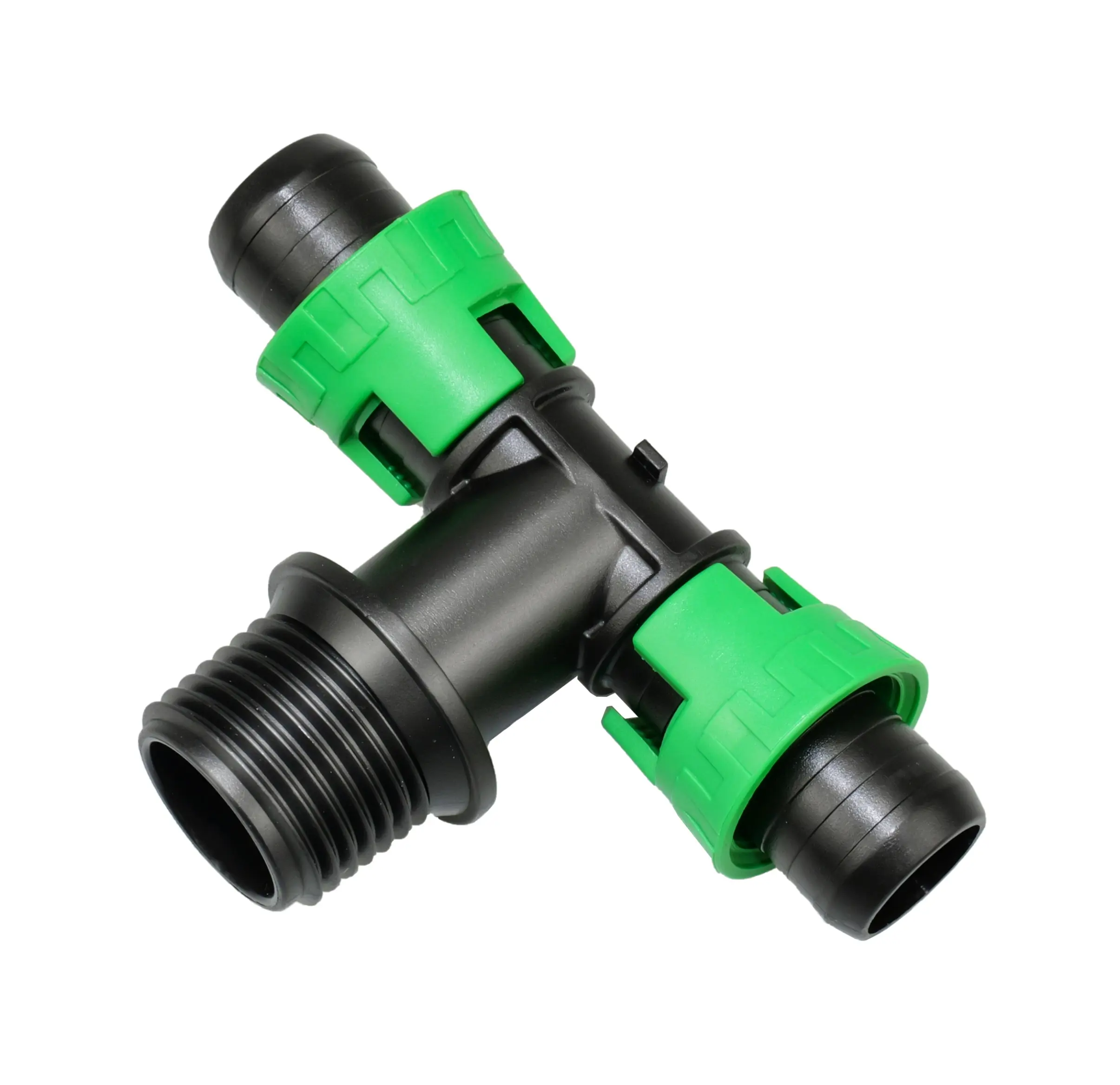
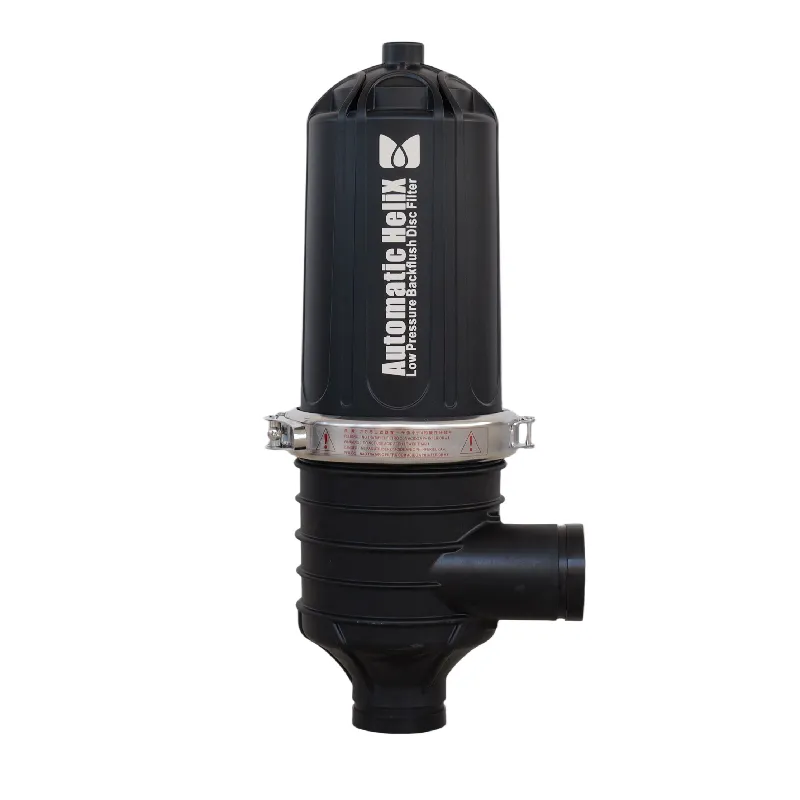
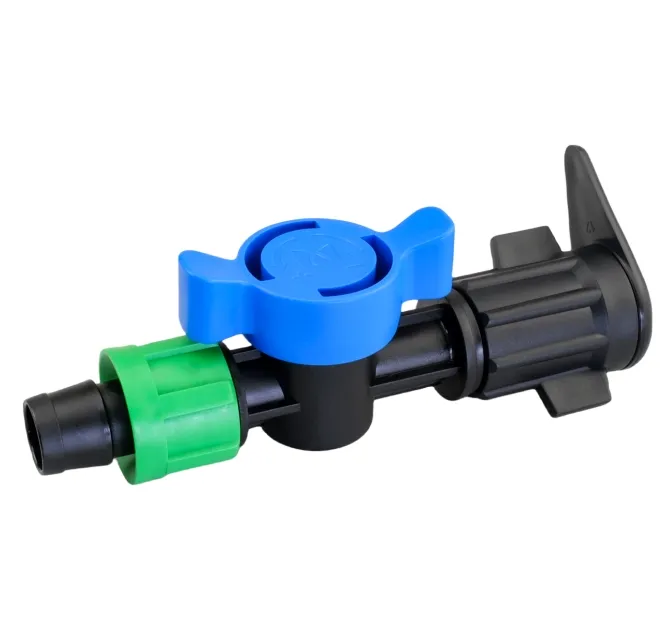
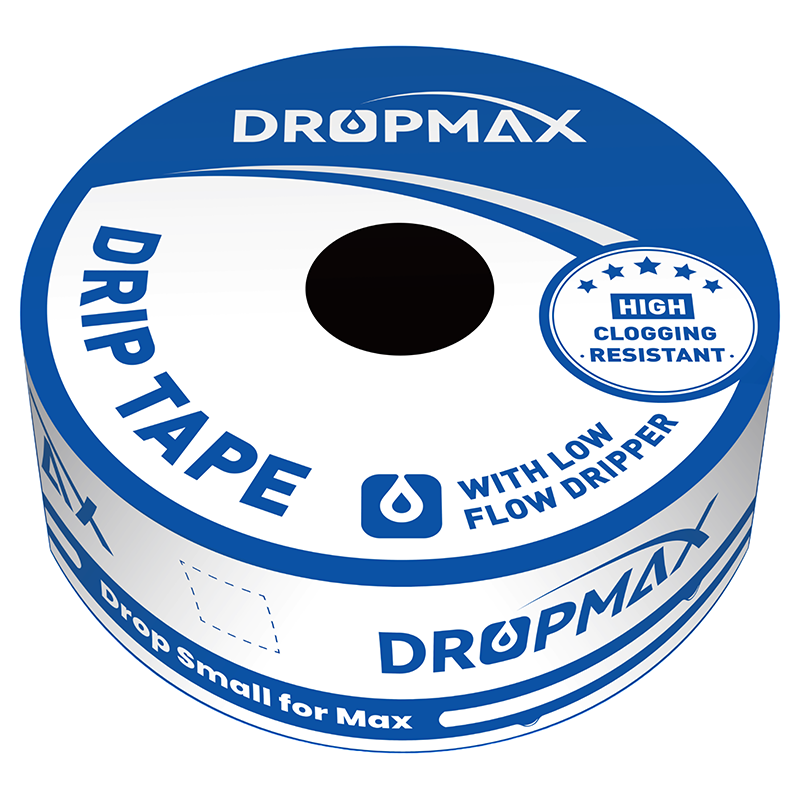
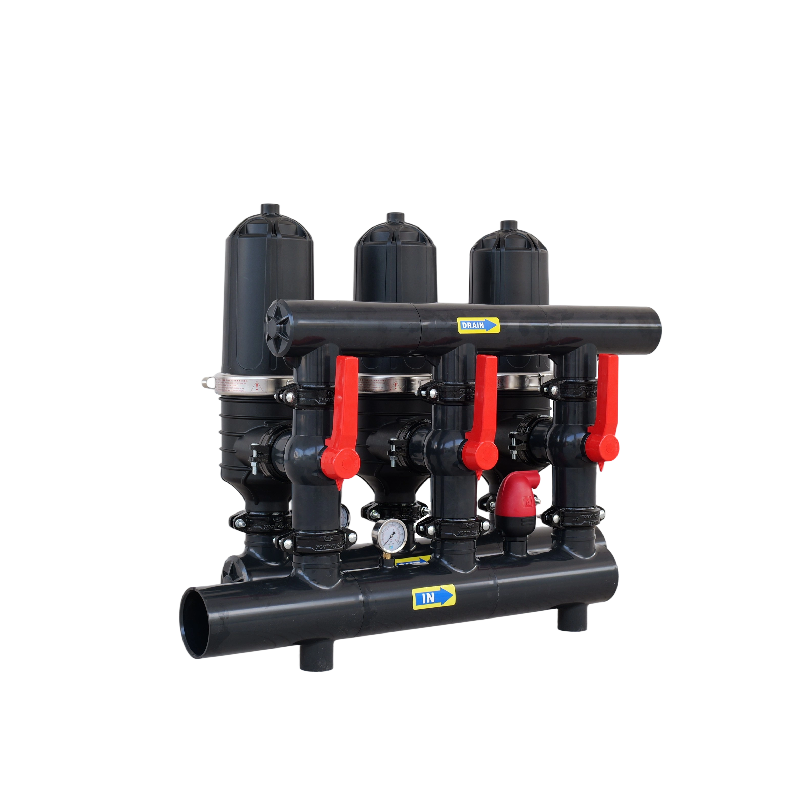
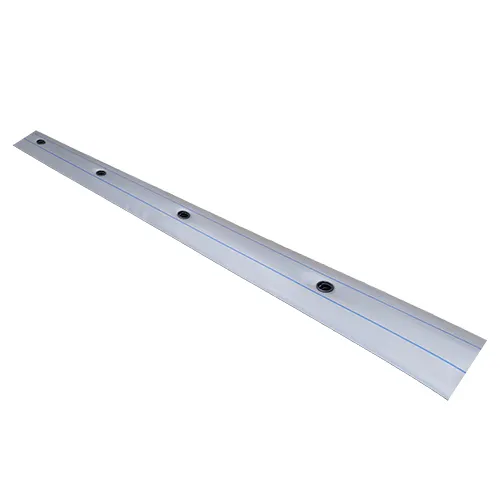
The drip system for agriculture represents a revolutionary irrigation method that delivers water directly to plant roots through a network of tubes, pipes, and emitters. This precision irrigation technology transforms traditional farming practices by providing controlled water distribution exactly where crops need it most. The drip system for agriculture consists of several key components including a water source, filtration system, pressure regulators, main distribution lines, and specialized drip emitters that release water at predetermined rates. The main function of this agricultural drip system centers on water conservation while maximizing crop yields through targeted irrigation. Unlike conventional sprinkler systems that broadcast water over large areas, the drip system for agriculture focuses water delivery at the root zone, eliminating waste from evaporation and runoff. Technological features of modern drip systems include pressure-compensating emitters that maintain consistent flow rates regardless of terrain variations, self-flushing mechanisms that prevent clogging, and smart controllers that integrate weather data and soil moisture sensors for automated irrigation scheduling. The drip system for agriculture accommodates various crop types, from row crops like tomatoes and peppers to tree fruits and ornamental plants. Applications extend across greenhouse operations, field cultivation, landscape maintenance, and residential gardens. Advanced drip systems incorporate fertigation capabilities, allowing farmers to inject fertilizers and nutrients directly into the irrigation water for simultaneous feeding and watering. The technology adapts to different soil types, slopes, and climate conditions, making the drip system for agriculture suitable for arid regions where water conservation is critical, as well as areas with abundant water resources seeking improved efficiency and crop quality.
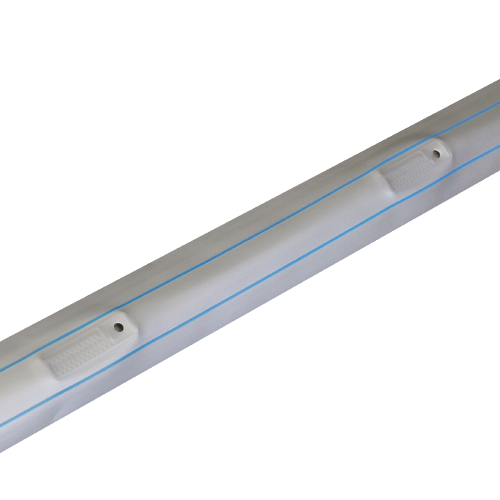
New Product Recommendations

The drip system for agriculture delivers exceptional water savings, typically reducing consumption by 30 to 50 percent compared to traditional irrigation methods. This remarkable efficiency stems from precise water placement directly at plant roots, eliminating losses from surface evaporation and wind drift that plague overhead sprinkler systems. Farmers implementing a drip system for agriculture observe immediate improvements in crop yields and quality because plants receive consistent moisture levels without water stress periods. The controlled water delivery prevents both drought stress and oversaturation, creating optimal growing conditions that promote healthy root development and vigorous plant growth. Cost savings represent another significant advantage of the drip system for agriculture, as reduced water usage translates directly to lower utility bills and decreased pumping costs. Labor requirements diminish substantially because automated drip systems operate independently once installed and programmed, freeing farmers to focus on other critical farming activities. Weed suppression occurs naturally with drip irrigation since water targets only crop root zones, leaving soil between rows dry and inhospitable to weed germination. This selective watering reduces herbicide needs and manual weeding labor while improving overall field management. Disease prevention benefits emerge from keeping plant foliage dry during irrigation, as many fungal and bacterial diseases thrive in humid conditions created by overhead watering systems. The drip system for agriculture maintains consistent soil moisture levels, preventing the wet-dry cycles that stress plants and make them susceptible to various ailments. Fertilizer efficiency increases dramatically when combined with fertigation systems, allowing nutrients to reach roots directly without losses from surface runoff or leaching. Energy consumption drops significantly because drip systems operate at lower pressures than sprinkler systems, reducing electricity costs for pumping operations. Installation flexibility makes the drip system for agriculture adaptable to irregular field shapes, sloped terrain, and varying crop spacing requirements. Environmental benefits include reduced groundwater contamination from fertilizer runoff and decreased soil erosion caused by surface water flow.

Practical Tips

Introducing the RAFA Flexible Pipe: A New Standard in Efficient Irrigation

12

Dec

Introducing the RAFA Flexible Pipe: A New Standard in Efficient Irrigation

View More
Flexible Lay Flat Hose: Ultimate Guide for Farm Water Management

16

Jun

Flexible Lay Flat Hose: Ultimate Guide for Farm Water Management

Explore the benefits of lay flat hoses for farm water management, focusing on efficient water distribution, durability, cost-effectiveness, technical specifications, and integration with drip irrigation systems. Enhance your agricultural productivity with lay flat hoses.
View More
 Comparing Traditional vs. Modern Drip Irrigation Tape Systems

23

Jul

Comparing Traditional vs. Modern Drip Irrigation Tape Systems

Discover the key differences between traditional and modern drip irrigation systems, highlighting water efficiency, technological advancements, and cost-effectiveness. Learn how modern systems improve water conservation, crop yield, and sustainability in agriculture.
View More
How Does Agricultural Irrigation Improve Crop Yields?

29

Aug

How Does Agricultural Irrigation Improve Crop Yields?

View More

Get a Free Quote

Our representative will contact you soon.
Email
Name
Company Name
Message
0/1000

drip system for agriculture

Precision Water Management Technology

Precision Water Management Technology

The drip system for agriculture revolutionizes water management through precision engineering that targets irrigation exactly where plants need it most. Advanced emitter technology ensures uniform water distribution across entire fields, regardless of pressure variations or elevation changes that traditionally challenge irrigation effectiveness. Pressure-compensating emitters automatically adjust flow rates to maintain consistent water delivery throughout the system, ensuring plants at different locations receive equal moisture levels for optimal growth. Modern drip systems incorporate sophisticated filtration systems that remove particles and debris that could clog emitters, maintaining reliable operation throughout growing seasons. Self-cleaning emitters feature built-in mechanisms that flush accumulated sediments during operation, reducing maintenance requirements and extending system lifespan significantly. Smart controllers integrate weather stations, soil moisture sensors, and crop growth stage data to create customized irrigation schedules that respond automatically to changing environmental conditions. This intelligent automation prevents overwatering during rainy periods and increases irrigation frequency during hot, dry spells, optimizing plant health while conserving water resources. The drip system for agriculture accommodates various soil types and infiltration rates by adjusting emitter spacing and flow rates according to specific field conditions. Clay soils benefit from slower application rates that allow proper water penetration without creating surface puddles, while sandy soils receive more frequent irrigations with smaller volumes to maintain adequate moisture levels. Pressure regulation technology maintains optimal operating pressures throughout the system, ensuring consistent performance from the first emitter to the last regardless of system length or terrain variations. Zone control capabilities allow farmers to create distinct irrigation areas within single fields, accommodating different crop varieties or growth stages that require varying water schedules. Remote monitoring systems provide real-time data about system performance, water usage, and potential maintenance needs through smartphone applications and computer interfaces.
Enhanced Crop Quality and Yield Optimization

Enhanced Crop Quality and Yield Optimization

The drip system for agriculture significantly improves crop quality and maximizes yield potential through consistent moisture management that creates ideal growing conditions for various plant species. Uniform water distribution ensures all plants within irrigated areas receive equal access to moisture, eliminating the yield variability often associated with uneven irrigation patterns from traditional sprinkler systems. Root zone targeting promotes deeper root development by encouraging plants to establish extensive root systems that access nutrients more effectively and provide better drought tolerance during water stress periods. Controlled irrigation timing allows farmers to manipulate plant growth stages strategically, promoting flowering and fruit development during critical periods while reducing vegetative growth when necessary. The drip system for agriculture prevents water stress that typically reduces fruit size, sugar content, and overall crop quality in many high-value crops including grapes, strawberries, and tree fruits. Consistent soil moisture levels eliminate the boom-bust watering cycles that cause physiological disorders such as blossom end rot in tomatoes, cracking in fruits, and bitter taste development in leafy greens. Fertigation capabilities integrated into drip systems deliver nutrients directly to root zones in precise quantities, improving fertilizer utilization efficiency and reducing environmental impact from excess nutrient application. Staged nutrient delivery through fertigation programs matches plant nutritional needs throughout different growth phases, promoting optimal development from seedling establishment through harvest maturity. Disease reduction occurs naturally because drip irrigation keeps plant foliage dry, preventing the humid conditions that encourage fungal infections, bacterial diseases, and pest infestations that commonly affect overhead-irrigated crops. Salt management benefits emerge in areas with saline water sources, as drip irrigation minimizes salt accumulation around plant roots through controlled water application and improved leaching efficiency. Extended growing seasons become possible with drip systems because precise water control allows farmers to maintain optimal growing conditions during transitional weather periods when traditional irrigation methods become less reliable or efficient.
Economic Efficiency and Resource Conservation

Economic Efficiency and Resource Conservation

The drip system for agriculture delivers outstanding economic returns through reduced operational costs, improved resource utilization, and enhanced profitability that benefits farming operations of all sizes. Water cost savings typically range from 25 to 60 percent compared to conventional irrigation methods, providing immediate financial benefits that often recover initial system investment within two to three growing seasons. Energy consumption decreases substantially because drip systems operate at lower pressures than sprinkler systems, reducing electricity costs for pumping operations by up to 50 percent while maintaining superior irrigation effectiveness. Labor efficiency improvements result from automated operation capabilities that eliminate manual irrigation tasks, allowing farm workers to focus on higher-value activities such as crop monitoring, harvesting, and quality control measures. Maintenance requirements remain minimal for properly designed drip systems, as quality components resist degradation from UV exposure, soil contact, and chemical fertilizers commonly used in agricultural operations. The drip system for agriculture reduces fertilizer costs through improved nutrient utilization efficiency, as fertigation delivers nutrients directly to root zones where plants can absorb them immediately without losses from surface runoff or deep percolation. Weed control benefits provide additional cost savings by reducing herbicide needs and manual weeding labor, as targeted irrigation keeps inter-row areas dry and unsuitable for weed germination and establishment. Insurance premiums may decrease for farms using drip irrigation because improved water management reduces crop loss risks from drought stress, disease pressure, and environmental factors that commonly affect conventional irrigation systems. Property values increase for farmland equipped with modern drip systems, as these installations represent permanent improvements that enhance land productivity and operational efficiency for current and future owners. Government incentives and rebate programs frequently offset installation costs for water-efficient irrigation systems, making the drip system for agriculture more affordable while supporting conservation goals. Long-term durability ensures decades of reliable service from quality drip irrigation components, spreading installation costs over extended periods while maintaining consistent performance throughout system lifespan.

Get a Free Quote

Our representative will contact you soon.
Email
Name
Company Name
Message
0/1000