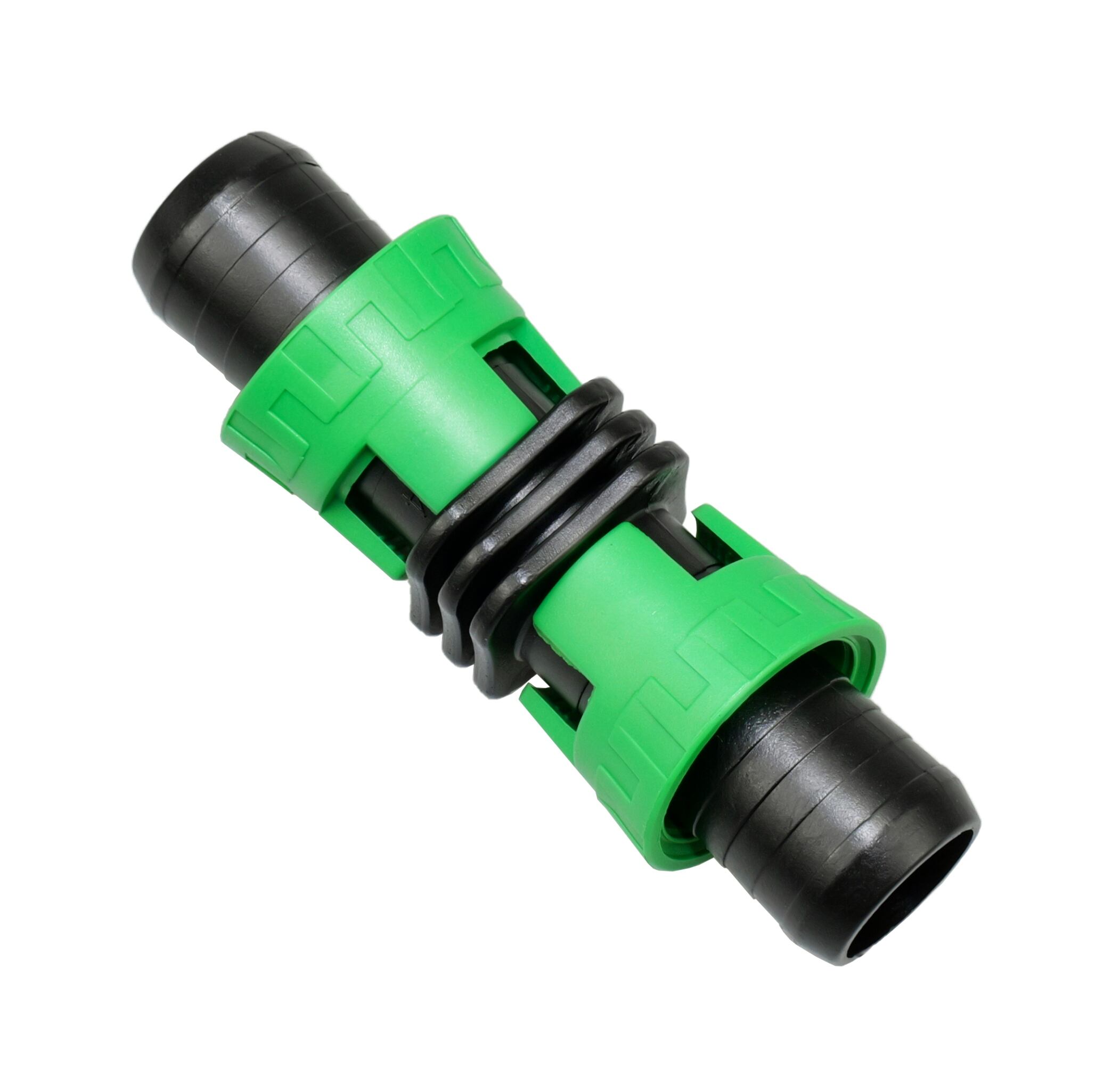
Advanced Agricultural Watering Systems - Efficient Irrigation Solutions for Modern Farming

All Categories

Get a Free Quote

Our representative will contact you soon.
Email
Name
Whats App
Message
0/1000

agricultural watering

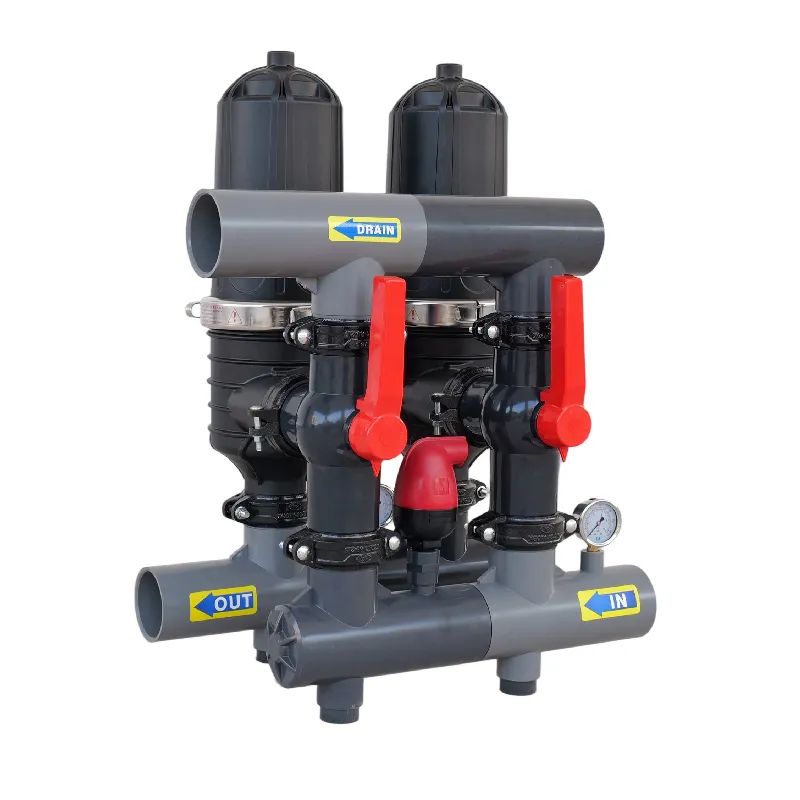
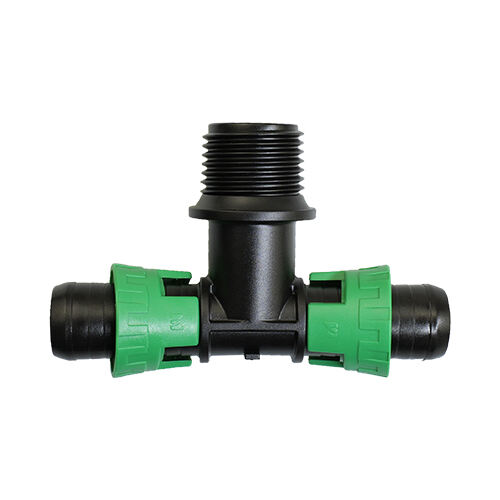
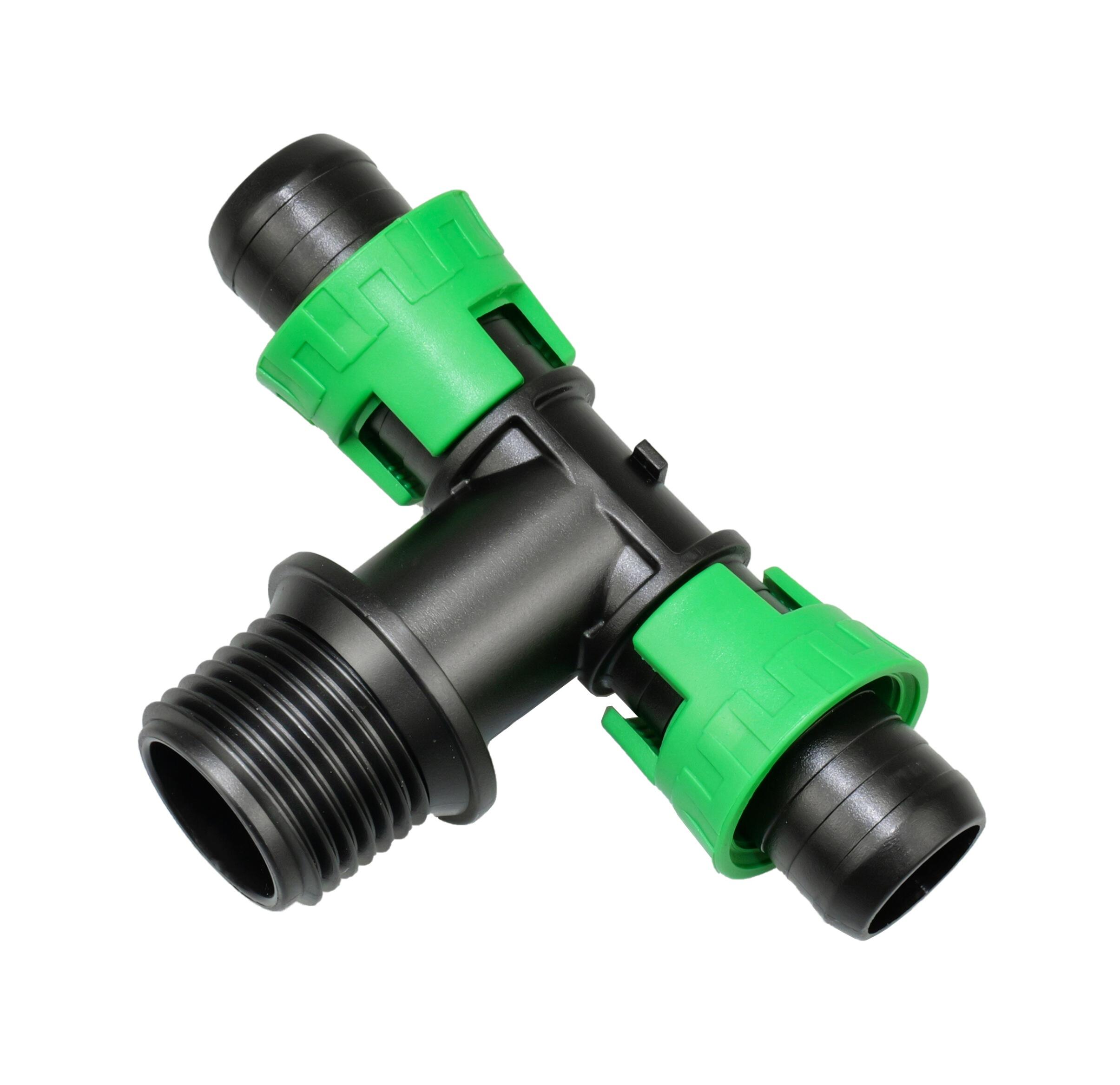
Agricultural watering systems represent the backbone of modern farming operations, providing essential irrigation solutions that transform how farmers manage crop hydration and field productivity. These sophisticated systems encompass various technologies designed to deliver precise water distribution across agricultural landscapes, ensuring optimal growing conditions for diverse crop types. Agricultural watering solutions integrate multiple components including pumps, pipes, sprinklers, drip emitters, and control mechanisms that work together to create efficient irrigation networks. The primary function of agricultural watering involves delivering measured amounts of water directly to plant root zones, minimizing waste while maximizing crop yield potential. Modern agricultural watering systems incorporate smart sensors, automated timers, and weather monitoring capabilities that enable farmers to schedule irrigation cycles based on soil moisture levels, weather patterns, and crop-specific requirements. These systems excel in water conservation by reducing evaporation losses and preventing overwatering that can damage crops or waste precious water resources. Agricultural watering technology has evolved from simple flood irrigation methods to precision micro-irrigation systems that target individual plants with exact water quantities. The versatility of agricultural watering applications extends across numerous farming environments, from small-scale vegetable gardens to expansive commercial orchards and grain fields. Greenhouse operations particularly benefit from controlled agricultural watering systems that maintain optimal humidity and soil conditions year-round. The integration of filtration systems ensures clean water delivery while preventing clogging in distribution networks. Agricultural watering systems adapt to various terrain types, including sloped fields, terraced landscapes, and flat agricultural zones, making them suitable for diverse geographical conditions. These systems support sustainable farming practices by enabling precise nutrient delivery through fertigation processes, where fertilizers mix with irrigation water for simultaneous crop feeding and hydration.
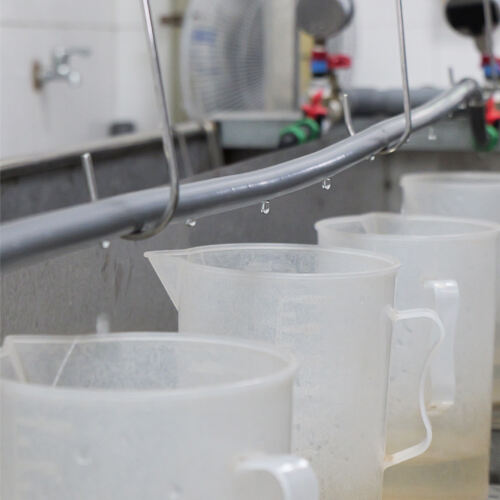
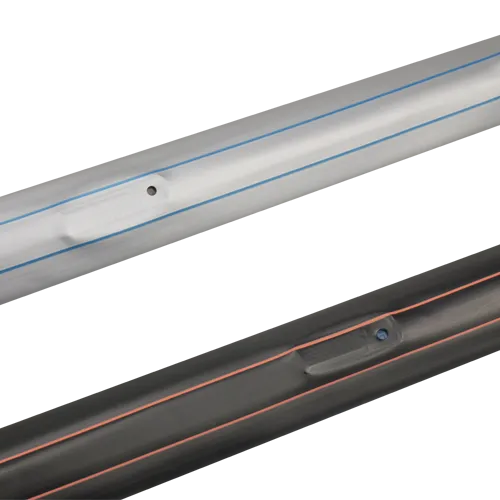
New Product Releases

Agricultural watering systems deliver remarkable water conservation benefits that translate into substantial cost savings for farming operations of all sizes. These systems reduce water consumption by up to sixty percent compared to traditional flooding methods, enabling farmers to maximize their water budget while maintaining healthy crop production. The precision delivery mechanisms prevent water runoff and minimize evaporation losses, ensuring every drop reaches its intended destination within the crop root zone. Farmers experience increased crop yields through consistent moisture management that eliminates the stress cycles plants endure with irregular watering patterns. Agricultural watering systems provide uniform water distribution across entire fields, preventing dry spots that reduce harvest quality and quantity. The automation capabilities of modern agricultural watering eliminate the labor-intensive task of manual irrigation, freeing farmers to focus on other critical farm management activities. These systems operate during optimal times, such as early morning or evening hours, when evaporation rates remain minimal and plant absorption reaches maximum efficiency. The flexibility of agricultural watering allows farmers to customize watering schedules based on specific crop requirements, seasonal variations, and local climate conditions. Energy efficiency represents another significant advantage, as properly designed agricultural watering systems use less power than conventional pumping methods while delivering superior results. Soil health improves dramatically with controlled agricultural watering because consistent moisture levels prevent soil compaction and erosion that occurs with flood irrigation. Disease prevention becomes more manageable since agricultural watering systems avoid wetting plant foliage, reducing fungal infections and bacterial diseases that thrive in moist leaf environments. The scalability of agricultural watering solutions means farmers can start with small installations and expand their systems gradually as their operations grow. Maintenance requirements remain minimal with quality agricultural watering components designed for durability and long-term performance in outdoor agricultural environments. Return on investment accelerates as farmers realize immediate savings in water costs, reduced labor expenses, and increased crop production values that quickly offset initial system investments.

Tips And Tricks

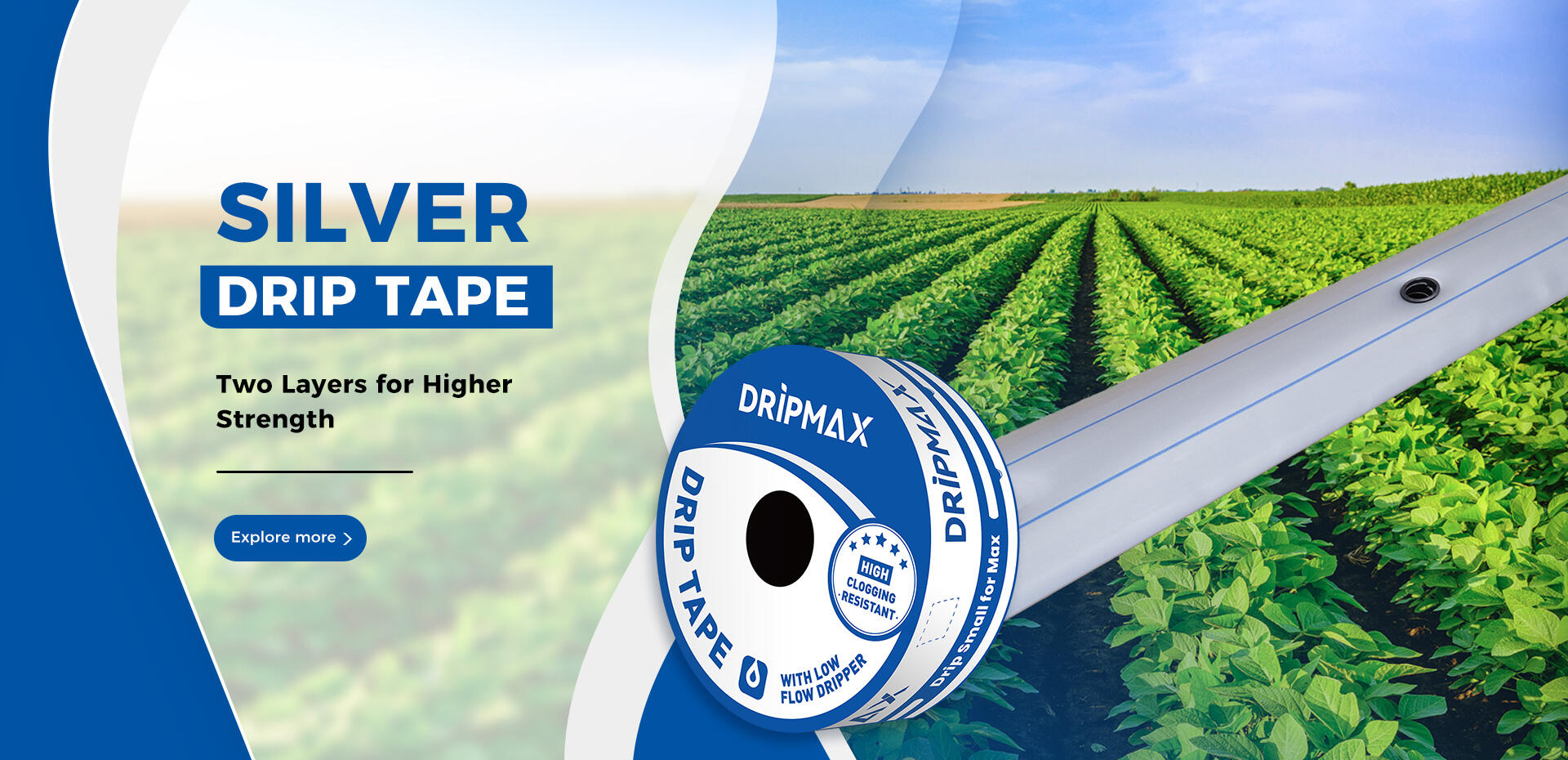

DripMax Launches Silver Drip Tape: Elevating Irrigation Efficiency

12

Dec

DripMax Launches Silver Drip Tape: Elevating Irrigation Efficiency

View More
Durable Drip Tape Solutions for Efficient Agricultural Irrigation Systems

Durable Drip Tape Solutions for Efficient Agricultural Irrigation Systems

Explore the benefits and techniques of drip tape irrigation systems in modern agriculture. Learn how these systems improve water efficiency, crop yield, and sustainability while reducing waste and fostering environmental stewardship.
View More
 Comparing Traditional vs. Modern Drip Irrigation Tape Systems

23

Jul

Comparing Traditional vs. Modern Drip Irrigation Tape Systems

Discover the key differences between traditional and modern drip irrigation systems, highlighting water efficiency, technological advancements, and cost-effectiveness. Learn how modern systems improve water conservation, crop yield, and sustainability in agriculture.
View More
What Is Drip Irrigation and How Does It Work?

29

Aug

What Is Drip Irrigation and How Does It Work?

View More

Get a Free Quote

Our representative will contact you soon.
Email
Name
Company Name
Message
0/1000

agricultural watering

Smart Automation Technology Revolutionizes Farm Management

Smart Automation Technology Revolutionizes Farm Management

Agricultural watering systems equipped with intelligent automation technology transform traditional farming into precision agriculture operations that respond dynamically to environmental conditions and crop requirements. These advanced systems integrate sophisticated sensors that continuously monitor soil moisture levels, ambient temperature, humidity, and even wind speed to make real-time irrigation decisions without human intervention. The smart controllers process data from multiple input sources, including weather forecasts and historical irrigation patterns, to optimize watering schedules that adapt to changing seasonal conditions and unexpected weather events. Farmers can remotely monitor and control their agricultural watering systems through smartphone applications and web-based interfaces, providing unprecedented convenience and operational oversight from anywhere in the world. The automation capabilities extend beyond basic timer functions to include zone-specific programming that recognizes different crop types within the same field may require varying irrigation protocols. This intelligent agricultural watering technology prevents both under-watering and over-watering scenarios that commonly occur with manual irrigation management, protecting crops from stress while conserving valuable water resources. The system learns from environmental patterns and gradually refines its irrigation algorithms to improve efficiency over time, creating a self-optimizing agricultural watering solution that becomes more effective with continued operation. Emergency shutdown features protect crops during extreme weather conditions or system malfunctions, while diagnostic capabilities identify potential issues before they impact crop production. Integration with existing farm management software allows agricultural watering data to contribute to comprehensive crop analytics and planning processes. The technology accommodates multiple irrigation zones simultaneously, enabling farmers to manage diverse crop varieties with different watering requirements through a single centralized control system. Advanced agricultural watering automation includes leak detection, flow monitoring, and pressure regulation that maintain system integrity while alerting operators to maintenance needs before problems escalate into costly repairs or crop damage.
Water Conservation Excellence Maximizes Resource Efficiency

Water Conservation Excellence Maximizes Resource Efficiency

Agricultural watering systems deliver exceptional water conservation performance that addresses growing concerns about water scarcity while reducing operational costs for sustainable farming practices. The precision delivery mechanisms inherent in modern agricultural watering technology eliminate the wasteful overspray and runoff associated with conventional irrigation methods, directing water exactly where plants need it most. Drip irrigation components of agricultural watering systems operate at low pressure levels that minimize energy consumption while delivering consistent water flow rates that match plant uptake capabilities throughout different growth stages. The targeted application approach prevents water loss through evaporation and ensures deep root zone penetration that encourages healthy root development and drought resistance. Agricultural watering systems incorporate pressure-compensating emitters that maintain uniform water distribution regardless of elevation changes or distance from the water source, guaranteeing consistent hydration across entire fields. The filtration systems integrated into agricultural watering installations remove sediments and contaminants that could clog distribution components while ensuring clean water delivery that promotes plant health. Mulching compatibility with agricultural watering systems further enhances water conservation by reducing surface evaporation and maintaining soil moisture longer between irrigation cycles. The precise scheduling capabilities prevent water waste during rain events through rain sensors that automatically suspend irrigation operations when natural precipitation provides adequate soil moisture. Water recycling features in advanced agricultural watering systems capture and reuse drainage water, creating closed-loop irrigation cycles that maximize resource utilization. The reduced water volume requirements of efficient agricultural watering systems enable farmers to irrigate larger areas with existing water supplies or maintain production levels during drought conditions when water availability becomes restricted. Soil moisture retention improves significantly with controlled agricultural watering because consistent hydration levels maintain optimal soil structure and prevent the hardpan formation that blocks water infiltration in flood-irrigated fields. The conservation benefits extend to groundwater protection as precise agricultural watering prevents over-application that can leach fertilizers and chemicals into water table systems.
Versatile Applications Serve Diverse Agricultural Needs

Versatile Applications Serve Diverse Agricultural Needs

Agricultural watering systems demonstrate remarkable versatility across numerous farming applications, from small-scale specialty crops to large commercial operations requiring comprehensive irrigation coverage. Greenhouse and tunnel farming operations benefit tremendously from controlled agricultural watering systems that maintain precise humidity levels while delivering targeted hydration to container plants, hanging baskets, and hydroponic growing systems. Orchard applications showcase the adaptability of agricultural watering through micro-sprinkler and drip systems that accommodate tree spacing variations, slope conditions, and different fruit tree species with unique water requirements throughout their growing seasons. Vegetable production utilizes agricultural watering systems for precise row-crop irrigation that delivers water directly to plant bases while keeping foliage dry to prevent disease development and maintain harvest quality. Landscape and nursery operations employ agricultural watering solutions for efficient plant establishment and maintenance that reduces labor costs while ensuring consistent plant health across diverse species and growing conditions. The modular design of agricultural watering components enables custom configurations that adapt to irregular field shapes, terraced landscapes, and challenging topographical conditions that would be difficult or impossible to irrigate with traditional methods. Crop rotation compatibility allows agricultural watering systems to accommodate changing field layouts and different crop types without requiring complete system redesigns or expensive modifications. Container farming and raised bed applications benefit from the precision control available through agricultural watering systems that deliver exact water quantities to individual planting areas without waste or overflow. Athletic field and turf management applications utilize agricultural watering technology for maintaining consistent grass growth and appearance while minimizing water consumption and reducing maintenance requirements. Seasonal flexibility enables agricultural watering systems to support both cool-season and warm-season crops through programmable controllers that adjust watering patterns to match changing plant needs throughout the growing calendar. Research and experimental farming operations rely on agricultural watering systems for controlled irrigation trials that require precise water application rates and timing for accurate data collection and analysis. The expansion capability of modular agricultural watering systems allows farmers to start with basic installations and gradually add zones, components, and advanced features as their operations grow and irrigation needs become more complex.

Get a Free Quote

Our representative will contact you soon.
Email
Name
Company Name
Message
0/1000