Advanced Agriculture Watering Systems - Smart Irrigation Solutions for Modern Farming

All Categories

Get a Free Quote

Our representative will contact you soon.
Email
Name
Whats App
Message
0/1000

agriculture watering system

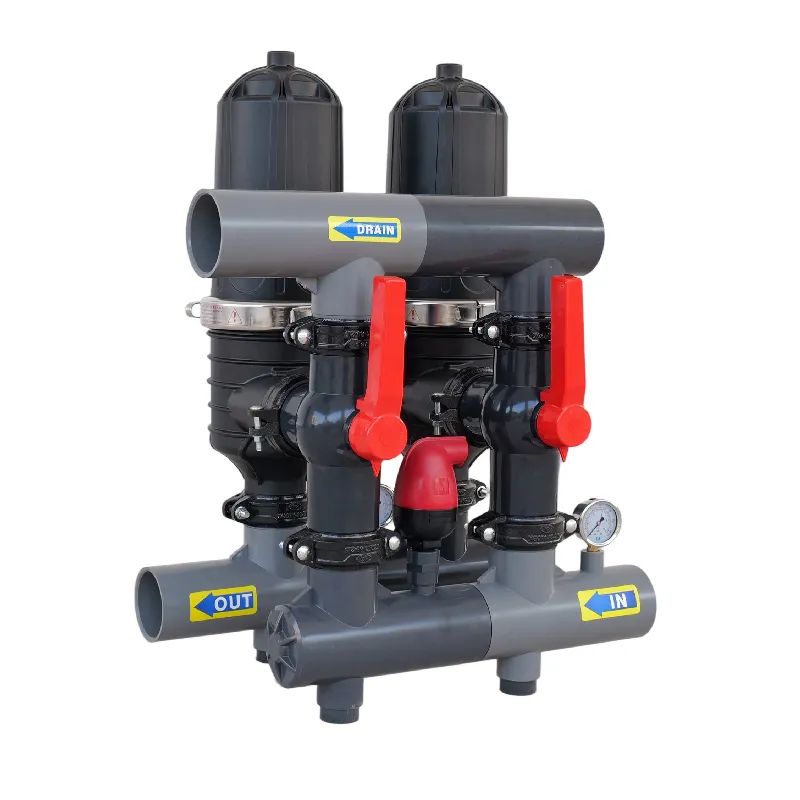
An agriculture watering system represents a comprehensive irrigation solution designed to deliver water efficiently to crops and farmland. These sophisticated systems combine multiple components including pumps, pipes, sprinklers, drip emitters, and control mechanisms to ensure optimal water distribution across agricultural areas. Modern agriculture watering systems incorporate advanced technology such as soil moisture sensors, weather monitoring equipment, and automated timers that work together to create precise irrigation schedules. The primary function of an agriculture watering system is to provide consistent water delivery while minimizing waste and maximizing crop yield. These systems can be customized for various farm sizes, from small residential gardens to large commercial agricultural operations. Key technological features include programmable controllers that allow farmers to set specific watering schedules based on crop requirements, seasonal changes, and local weather conditions. Many contemporary agriculture watering systems feature smart connectivity options, enabling remote monitoring and control through mobile applications or computer interfaces. The system's design typically incorporates multiple zones, allowing different areas of farmland to receive varying amounts of water based on specific crop needs. Advanced filtration components ensure clean water delivery, while pressure regulation mechanisms maintain consistent flow rates throughout the entire network. Backup power systems and redundant components enhance reliability, ensuring continuous operation even during equipment failures or power outages. The modular design of most agriculture watering systems allows for easy expansion and modification as farming operations grow or change. Integration with existing farm infrastructure is straightforward, making these systems suitable for both new installations and retrofitting existing agricultural setups. Environmental monitoring capabilities help farmers make informed decisions about irrigation timing and duration, contributing to sustainable farming practices and water conservation efforts.

New Products

Agriculture watering systems offer numerous practical benefits that directly impact farming efficiency and profitability. These systems reduce labor costs significantly by automating the irrigation process, eliminating the need for manual watering and allowing farmers to focus on other critical farming activities. Water conservation stands as a major advantage, with precise delivery mechanisms reducing waste by up to 50 percent compared to traditional irrigation methods. The consistent water delivery ensures crops receive optimal hydration levels, leading to improved plant health, increased yields, and higher quality produce. Farmers experience better crop uniformity across their fields, as agriculture watering systems distribute water evenly, preventing both overwatering and drought stress in different areas. Time savings represent another crucial benefit, with automated scheduling allowing irrigation to occur during optimal hours without requiring constant supervision. These systems adapt to changing weather conditions through integrated sensors, automatically adjusting watering schedules during rainfall or drought periods. Energy efficiency features in modern agriculture watering systems help reduce operational costs through optimized pump operation and smart scheduling that takes advantage of lower electricity rates during off-peak hours. The precise application of water through these systems improves nutrient uptake in plants, as proper soil moisture levels enhance the absorption of fertilizers and soil nutrients. Pest and disease reduction occurs naturally when agriculture watering systems maintain appropriate moisture levels without creating excessive humidity that promotes harmful organisms. Soil structure preservation results from controlled water application that prevents erosion and compaction issues common with flood irrigation methods. Flexibility in crop management becomes possible as different zones can be programmed for various crops with specific water requirements. Long-term cost savings accumulate through reduced water bills, lower labor expenses, and improved crop yields that increase overall farm profitability. Environmental benefits include reduced runoff and groundwater contamination, supporting sustainable farming practices that meet modern environmental standards and regulations.

Latest News

Durable Drip Tape Solutions for Efficient Agricultural Irrigation Systems

Durable Drip Tape Solutions for Efficient Agricultural Irrigation Systems

Explore the benefits and techniques of drip tape irrigation systems in modern agriculture. Learn how these systems improve water efficiency, crop yield, and sustainability while reducing waste and fostering environmental stewardship.
View More
How Layflat Hose Enhances Water Distribution in Modern Farming

10

Jun

How Layflat Hose Enhances Water Distribution in Modern Farming

Explore the fundamentals of layflat hose for agricultural water distribution, focusing on design principles, material composition, and advantages over traditional irrigation methods. Learn how layflat hose technology optimizes water distribution, reduces labor, and increases efficiency in modern farming operations.
View More
Reinforced Drip Tape for Sloped Terrain Farming Applications

23

Jul

Reinforced Drip Tape for Sloped Terrain Farming Applications

Explore the challenges of slope irrigation with drip tape, focusing on gravity's impact, runoff risks, pressure management, and effective solutions like pressure-compensating emitters. Perfect resource for improving agricultural efficiency on sloped terrain.
View More
How Does Agricultural Irrigation Improve Crop Yields?

29

Aug

How Does Agricultural Irrigation Improve Crop Yields?

View More

Get a Free Quote

Our representative will contact you soon.
Email
Name
Company Name
Message
0/1000

agriculture watering system

Smart Automation Technology Integration

Smart Automation Technology Integration

Modern agriculture watering systems incorporate cutting-edge automation technology that revolutionizes traditional farming practices through intelligent water management solutions. These advanced systems utilize sophisticated sensors that continuously monitor soil moisture levels, weather patterns, and plant health indicators to make real-time irrigation decisions. The integration of Internet of Things technology enables farmers to remotely control and monitor their agriculture watering system through smartphone applications or web-based platforms from anywhere in the world. Machine learning algorithms analyze historical data and current conditions to optimize watering schedules, ensuring crops receive precisely the right amount of water at the optimal times. Weather station integration allows the system to anticipate rainfall and automatically adjust irrigation schedules to prevent overwatering and waste. GPS-enabled zone mapping provides precise control over different field areas, allowing customized watering programs for various crops or terrain conditions within the same farm. Real-time alerts notify farmers of system malfunctions, unusual water consumption patterns, or maintenance requirements, preventing costly crop damage and system failures. Data analytics capabilities generate detailed reports on water usage, system performance, and crop response patterns, enabling farmers to make informed decisions about irrigation strategies and system improvements. The automation extends to fertilizer injection systems that coordinate nutrient delivery with irrigation cycles, maximizing plant uptake efficiency while minimizing environmental impact. Backup communication systems ensure continuous operation even during network outages, maintaining critical irrigation schedules during vulnerable growing periods. Integration with farm management software creates a comprehensive agricultural monitoring ecosystem that tracks everything from planting schedules to harvest predictions. The user-friendly interface design makes these sophisticated agriculture watering systems accessible to farmers of all technical skill levels, providing intuitive controls and clear status displays that simplify daily operations and troubleshooting procedures.
Water Conservation and Efficiency Optimization

Water Conservation and Efficiency Optimization

Agriculture watering systems excel in water conservation through precision delivery mechanisms that significantly reduce waste while maintaining optimal crop hydration levels. Drip irrigation components deliver water directly to plant root zones, minimizing evaporation losses and preventing water from reaching areas where it provides no agricultural benefit. Advanced pressure compensation technology ensures uniform water distribution across varying terrain elevations and distances from water sources, eliminating dry spots and overwatered areas that waste resources. Soil moisture sensors continuously measure ground hydration levels and automatically trigger irrigation cycles only when plants actually need water, preventing unnecessary watering during periods of adequate soil moisture. Weather-based irrigation controllers integrate local meteorological data to adjust watering schedules based on temperature, humidity, wind speed, and precipitation forecasts, avoiding irrigation during or before expected rainfall events. Micro-sprinkler technology provides controlled water application rates that match soil infiltration capacity, preventing runoff and ensuring complete absorption of applied water. Flow monitoring systems detect leaks and inefficiencies immediately, alerting operators to problems before significant water loss occurs and enabling prompt repairs that maintain system efficiency. Recycling capabilities in advanced agriculture watering systems capture and reuse drainage water and condensation, further reducing overall water consumption while maintaining irrigation effectiveness. Seasonal adjustment features automatically modify watering schedules based on changing plant water requirements throughout different growth stages and seasonal conditions. Water filtration systems remove impurities and particles that could clog emitters or damage system components, maintaining optimal performance and extending equipment lifespan. Pressure regulation mechanisms prevent waste from excessive water pressure while ensuring adequate flow rates for proper irrigation coverage. The precision application reduces salt buildup in soil by preventing overwatering that leads to poor drainage and mineral accumulation. Smart scheduling algorithms consider multiple factors simultaneously, including crop type, growth stage, soil type, and environmental conditions, to determine the most efficient irrigation timing and duration for maximum water conservation benefits.
Scalable Design for Diverse Agricultural Applications

Scalable Design for Diverse Agricultural Applications

Agriculture watering systems feature highly adaptable and scalable designs that accommodate diverse farming operations ranging from small specialty crop gardens to extensive commercial agricultural enterprises. Modular component architecture allows farmers to start with basic irrigation coverage and expand systematically as their operations grow, adding zones, controllers, and delivery mechanisms without replacing existing infrastructure. Flexible piping systems accommodate irregular field shapes and varying crop layouts, providing customized irrigation solutions for orchards, vineyards, row crops, greenhouse operations, and specialty agricultural applications. Multi-zone capability enables simultaneous management of different crop types with varying water requirements, allowing diversified farms to optimize irrigation for each specific plant variety within a single integrated system. Scalable pump configurations adjust to different water source types including wells, ponds, municipal supplies, and recycled water systems, ensuring compatibility with existing farm infrastructure and local water availability. Expandable controller capacity accommodates growing irrigation needs through additional valve connections and sensor inputs without requiring complete system replacement or major modifications. Terrain adaptation features enable effective irrigation on sloped fields, terraced agriculture, and uneven ground conditions through specialized emitters and pressure compensation technology. Seasonal crop rotation support allows easy reconfiguration of watering zones and schedules to match changing planting patterns and crop rotations without permanent infrastructure changes. Greenhouse and outdoor integration capabilities provide seamless irrigation management for farms operating both protected cultivation and field production systems within unified control platforms. Variable application rate technology enables different water delivery rates across field zones based on soil types, crop varieties, and microclimatic conditions that exist within individual farm properties. Retrofit compatibility ensures agriculture watering systems integrate effectively with existing farm equipment and infrastructure, minimizing installation costs and operational disruptions during system implementation. Future expansion planning features include pre-installed connection points and oversized main distribution lines that accommodate additional zones and increased capacity requirements as farming operations expand or intensify production methods.


Get a Free Quote

Our representative will contact you soon.
Email
Name
Company Name
Message
0/1000