Advanced Agricultural Irrigation Systems - Smart Water Management Solutions for Modern Farming

All Categories

Get a Free Quote

Our representative will contact you soon.
Email
Name
Whats App
Message
0/1000

agricultural irrigation systems

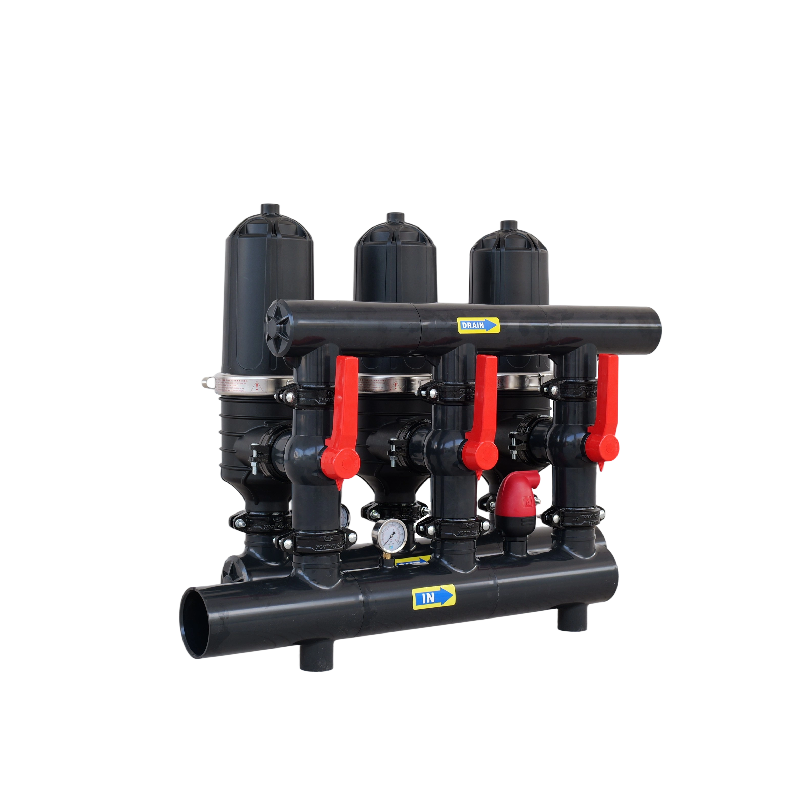
Agricultural irrigation systems represent sophisticated water management solutions designed to deliver precise amounts of water to crops at optimal times. These comprehensive systems integrate cutting-edge technology with traditional farming practices to maximize crop yields while minimizing water waste. Modern agricultural irrigation systems encompass various components including pumps, pipes, valves, controllers, sensors, and distribution networks that work together to create efficient watering solutions. The primary function of agricultural irrigation systems involves delivering water directly to plant root zones through multiple methods such as drip irrigation, sprinkler systems, and micro-irrigation techniques. These systems utilize advanced sensors to monitor soil moisture levels, weather conditions, and plant water requirements, enabling automated scheduling and precise water application. Technological features include programmable timers, weather-based controllers, pressure regulators, and filtration units that ensure consistent water quality and distribution. Agricultural irrigation systems can be customized for diverse applications ranging from small residential gardens to extensive commercial farms, greenhouse operations, and landscape maintenance projects. The systems accommodate various crop types including vegetables, fruits, grains, and ornamental plants, adapting to different soil conditions and terrain characteristics. Integration capabilities allow agricultural irrigation systems to connect with existing farm management software, providing real-time data analytics and remote monitoring options. These systems support sustainable farming practices by reducing water consumption, preventing soil erosion, and maintaining optimal growing conditions throughout different seasons. Advanced agricultural irrigation systems incorporate smart technology features such as mobile app connectivity, GPS mapping, and satellite weather integration, enabling farmers to make data-driven decisions about water management and crop care strategies.
New Product Recommendations

Agricultural irrigation systems deliver substantial water savings compared to traditional watering methods, reducing consumption by up to 50 percent through targeted application techniques. These systems eliminate water waste from evaporation, runoff, and over-watering, directing moisture precisely where plants need it most. Farmers experience significant labor cost reductions since automated agricultural irrigation systems operate independently, freeing workers for other essential farm tasks. The consistent water delivery provided by these systems promotes healthier plant growth, resulting in increased crop yields and improved produce quality that commands higher market prices. Agricultural irrigation systems protect crops during drought conditions, ensuring reliable harvests regardless of unpredictable weather patterns. The precise control offered by modern systems prevents both under-watering and over-watering, eliminating plant stress and disease problems associated with improper moisture levels. Installation of agricultural irrigation systems increases property values and demonstrates commitment to sustainable farming practices that appeal to environmentally conscious consumers. These systems reduce soil erosion by delivering water at controlled rates, preserving valuable topsoil and maintaining field integrity over time. Energy efficiency features in contemporary agricultural irrigation systems minimize electricity costs while maximizing performance through optimized pump operations and smart scheduling. The flexibility of these systems allows farmers to adapt quickly to changing crop requirements, seasonal variations, and expansion needs without major infrastructure overhauls. Agricultural irrigation systems provide detailed usage reports and analytics that help farmers optimize water management strategies and comply with environmental regulations. Long-term durability of quality systems ensures decades of reliable service with minimal maintenance requirements, providing excellent return on investment. The scalability of agricultural irrigation systems makes them suitable for operations of any size, from small specialty farms to large commercial enterprises. Remote monitoring capabilities allow farmers to manage multiple fields or locations efficiently, reducing travel time and enabling quick responses to system alerts or changing conditions.

Practical Tips

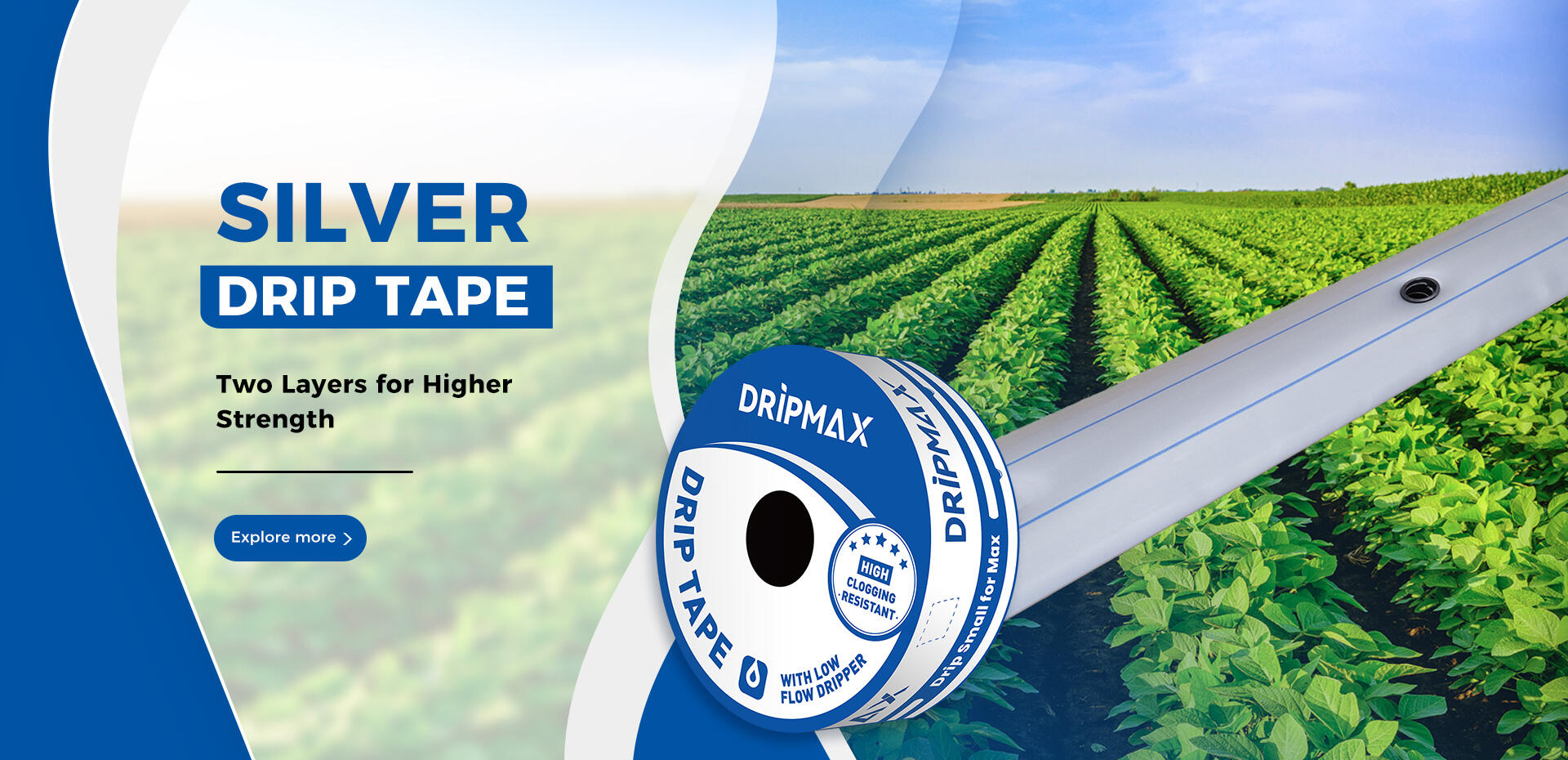
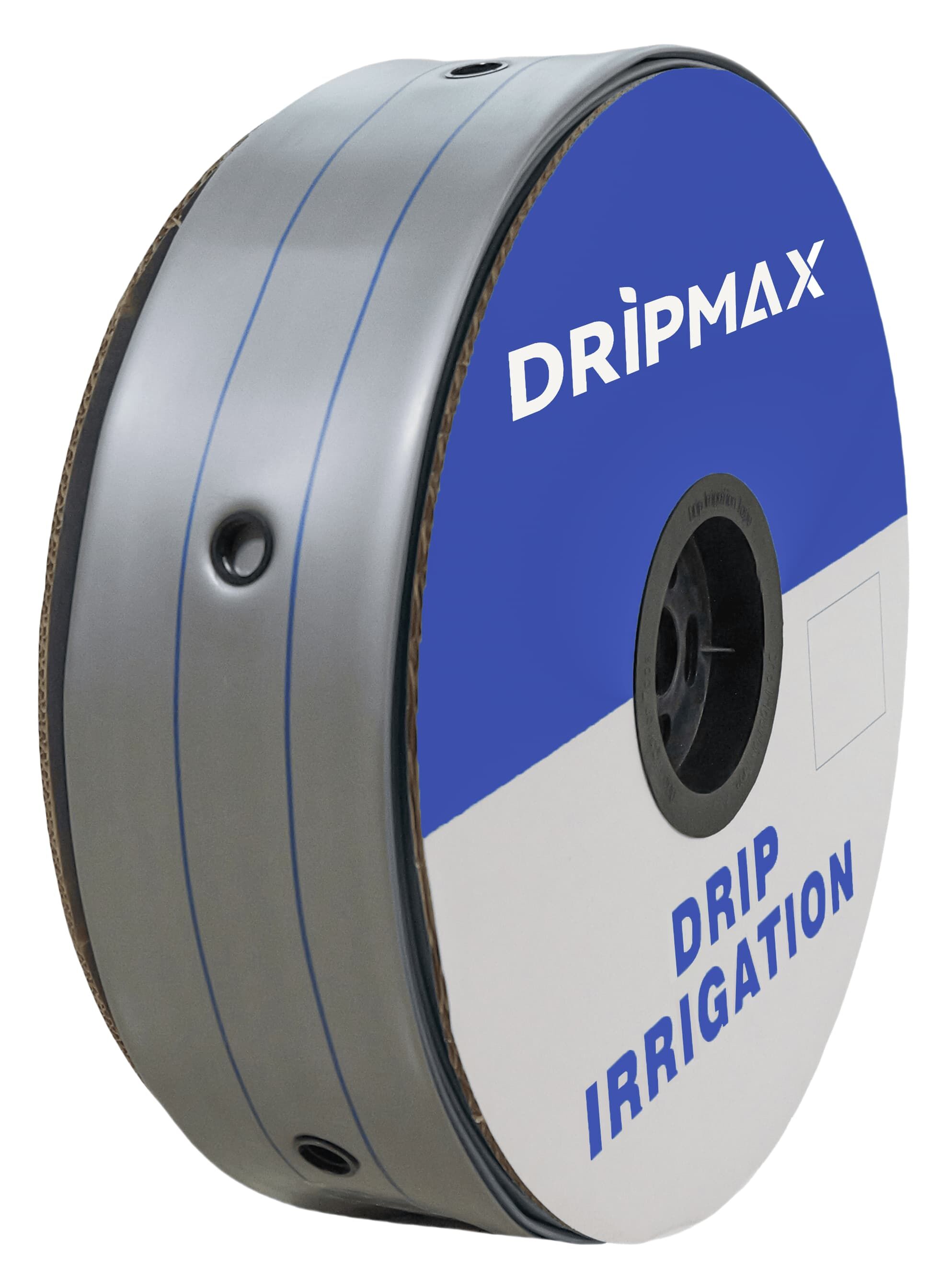
DripMax Launches Silver Drip Tape: Elevating Irrigation Efficiency

12

Dec

DripMax Launches Silver Drip Tape: Elevating Irrigation Efficiency

View More
Flexible Lay Flat Hose: Ultimate Guide for Farm Water Management

16

Jun

Flexible Lay Flat Hose: Ultimate Guide for Farm Water Management

Explore the benefits of lay flat hoses for farm water management, focusing on efficient water distribution, durability, cost-effectiveness, technical specifications, and integration with drip irrigation systems. Enhance your agricultural productivity with lay flat hoses.
View More
 Comparing Traditional vs. Modern Drip Irrigation Tape Systems

23

Jul

Comparing Traditional vs. Modern Drip Irrigation Tape Systems

Discover the key differences between traditional and modern drip irrigation systems, highlighting water efficiency, technological advancements, and cost-effectiveness. Learn how modern systems improve water conservation, crop yield, and sustainability in agriculture.
View More
What Is Drip Irrigation and How Does It Work?

29

Aug

What Is Drip Irrigation and How Does It Work?

View More

Get a Free Quote

Our representative will contact you soon.
Email
Name
Company Name
Message
0/1000

agricultural irrigation systems

Smart Water Management Technology

Smart Water Management Technology

Modern agricultural irrigation systems incorporate intelligent water management technology that revolutionizes how farmers approach crop hydration. These advanced systems utilize sophisticated soil moisture sensors, weather monitoring stations, and plant-specific databases to determine optimal watering schedules automatically. The smart controllers analyze multiple data points including rainfall forecasts, evapotranspiration rates, soil composition, and historical weather patterns to calculate precise water requirements for different crops. This technology eliminates guesswork from irrigation scheduling, ensuring plants receive exactly the right amount of water at the most beneficial times. The integration of GPS mapping capabilities allows agricultural irrigation systems to create detailed field maps that account for variations in soil type, elevation, and drainage characteristics across different areas. Variable rate irrigation features enable these systems to deliver customized water amounts to specific zones within the same field, optimizing growing conditions for each area's unique requirements. Mobile application connectivity provides farmers with real-time system status updates, allowing remote adjustments and monitoring from anywhere with internet access. The predictive analytics capabilities of these agricultural irrigation systems help farmers anticipate water needs days or weeks in advance, enabling proactive management strategies that prevent crop stress before it occurs. Advanced filtration and water quality monitoring ensure that agricultural irrigation systems deliver clean, properly treated water that promotes healthy plant growth while preventing clogging and system damage. The data logging features create comprehensive records of water usage, system performance, and crop response patterns that help farmers refine their irrigation strategies over time and demonstrate compliance with water use regulations.
Precision Water Distribution Networks

Precision Water Distribution Networks

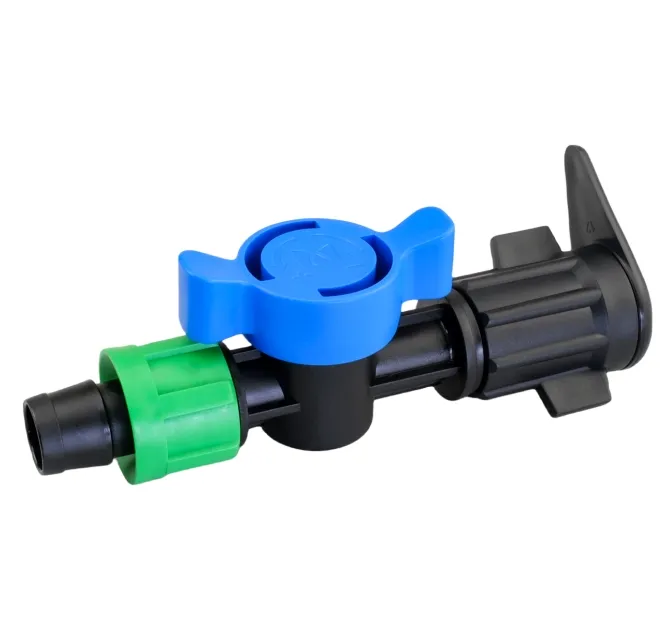
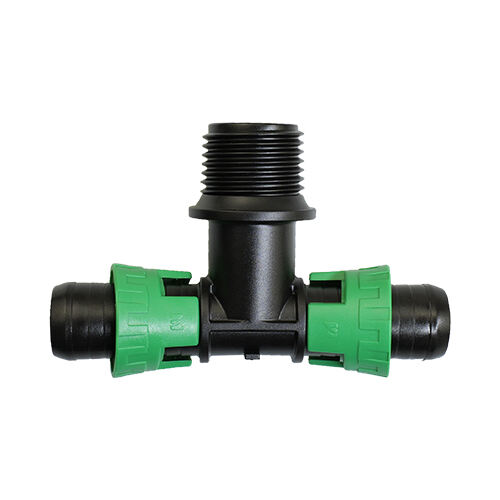
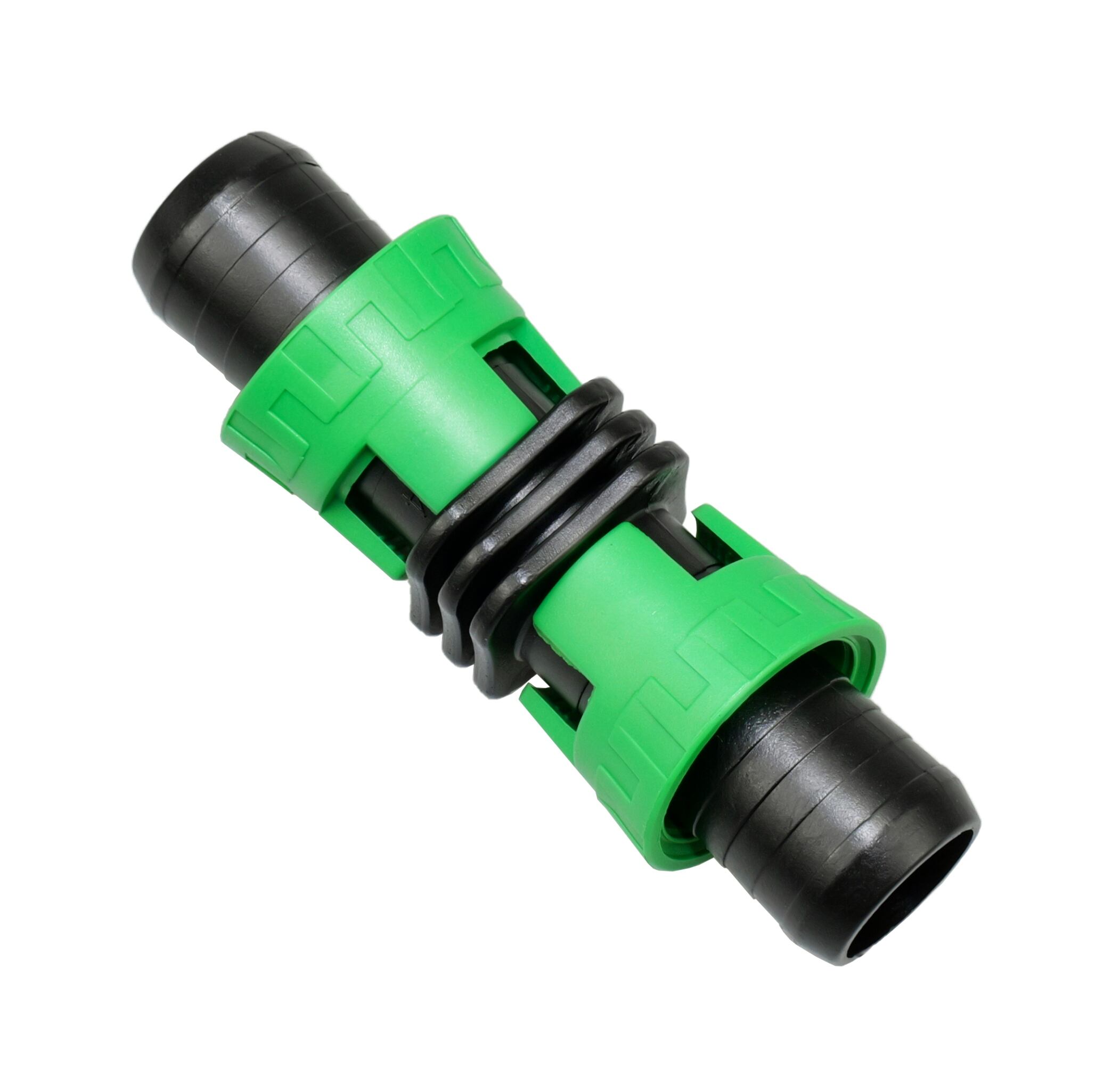
Agricultural irrigation systems feature precision-engineered distribution networks that ensure uniform water delivery across entire growing areas with exceptional accuracy and efficiency. These sophisticated networks utilize carefully calibrated emitters, pressure-compensating devices, and flow regulators to maintain consistent water output regardless of terrain variations or system pressure fluctuations. The modular design of modern distribution components allows agricultural irrigation systems to accommodate complex field layouts, irregular shapes, and multiple crop zones within a single installation. Drip irrigation components within these systems deliver water directly to plant root zones at extremely low flow rates, minimizing evaporation losses and preventing weed growth in unplanted areas. Micro-sprinkler options provide gentle, uniform coverage for crops that benefit from overhead watering while still maintaining precise control over application rates and timing. The self-flushing capabilities built into quality agricultural irrigation systems prevent mineral buildup and debris accumulation that could compromise system performance over time. Pressure regulation technology ensures that all emitters operate within optimal ranges, preventing damage to sensitive plants from excessive water pressure while maintaining adequate flow rates for proper coverage. The chemical injection capabilities integrated into many agricultural irrigation systems allow farmers to deliver fertilizers, nutrients, and plant protection products directly through the irrigation network, maximizing uptake efficiency and reducing application costs. Quick-connect fittings and standardized components make installation, maintenance, and system modifications straightforward, reducing labor costs and minimizing crop disruption during system updates. The freeze protection features incorporated into cold-climate agricultural irrigation systems automatically drain lines and protect components during winter months, extending system lifespan and reducing replacement costs.
Energy Efficient Operation Systems

Energy Efficient Operation Systems

Contemporary agricultural irrigation systems incorporate cutting-edge energy efficiency technologies that significantly reduce operational costs while maintaining superior performance standards. Variable frequency drive pumps automatically adjust motor speed to match system demand, consuming only the energy necessary for current watering requirements rather than running at constant maximum capacity. Solar power integration capabilities allow agricultural irrigation systems to operate using renewable energy sources, eliminating electricity costs and reducing environmental impact while ensuring reliable operation in remote locations. Smart scheduling algorithms optimize pump operation times to take advantage of off-peak electricity rates, automatically shifting irrigation cycles to periods when energy costs are lowest. The pressure management systems within modern agricultural irrigation systems maintain optimal operating pressures throughout the network, reducing energy waste from excessive pump pressure while ensuring adequate water delivery to all zones. Automatic leak detection technology immediately identifies system breaks or damaged components, preventing water waste and avoiding the energy costs associated with pumping water that never reaches crops. The zone-based operation capabilities of these agricultural irrigation systems allow farmers to water different areas sequentially rather than simultaneously, reducing peak energy demand and enabling the use of smaller, more efficient pump systems. Battery backup systems ensure continued operation during power outages, protecting valuable crops from drought stress while maintaining energy efficiency through optimized backup power management. The thermal protection features built into system pumps and controllers prevent overheating damage that could lead to equipment failure and costly emergency repairs. Energy monitoring capabilities provide detailed reports on power consumption patterns, helping farmers identify opportunities for further efficiency improvements and track the financial benefits of their agricultural irrigation systems investments over time.

Get a Free Quote

Our representative will contact you soon.
Email
Name
Company Name
Message
0/1000