agriculture drip irrigation

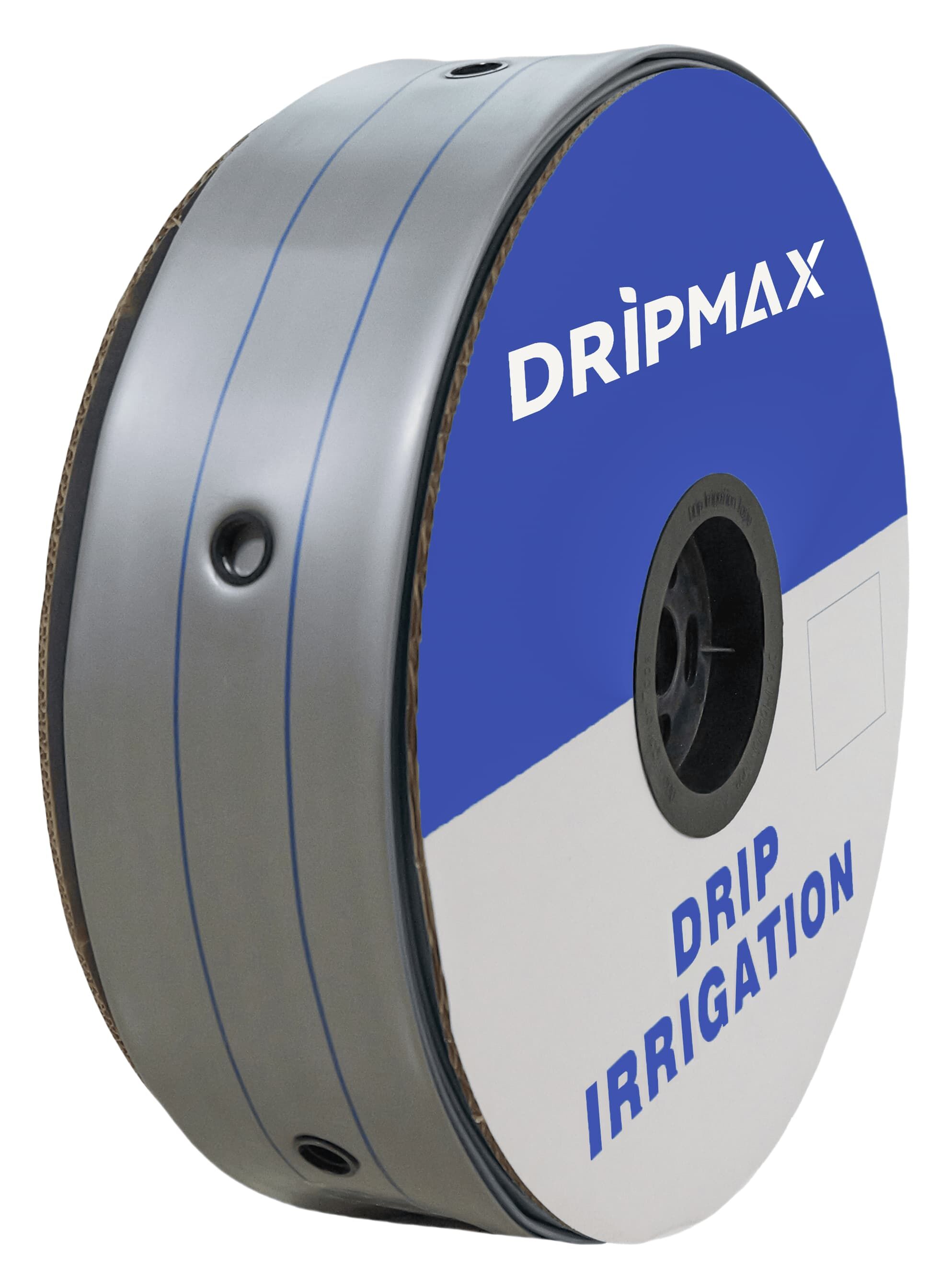
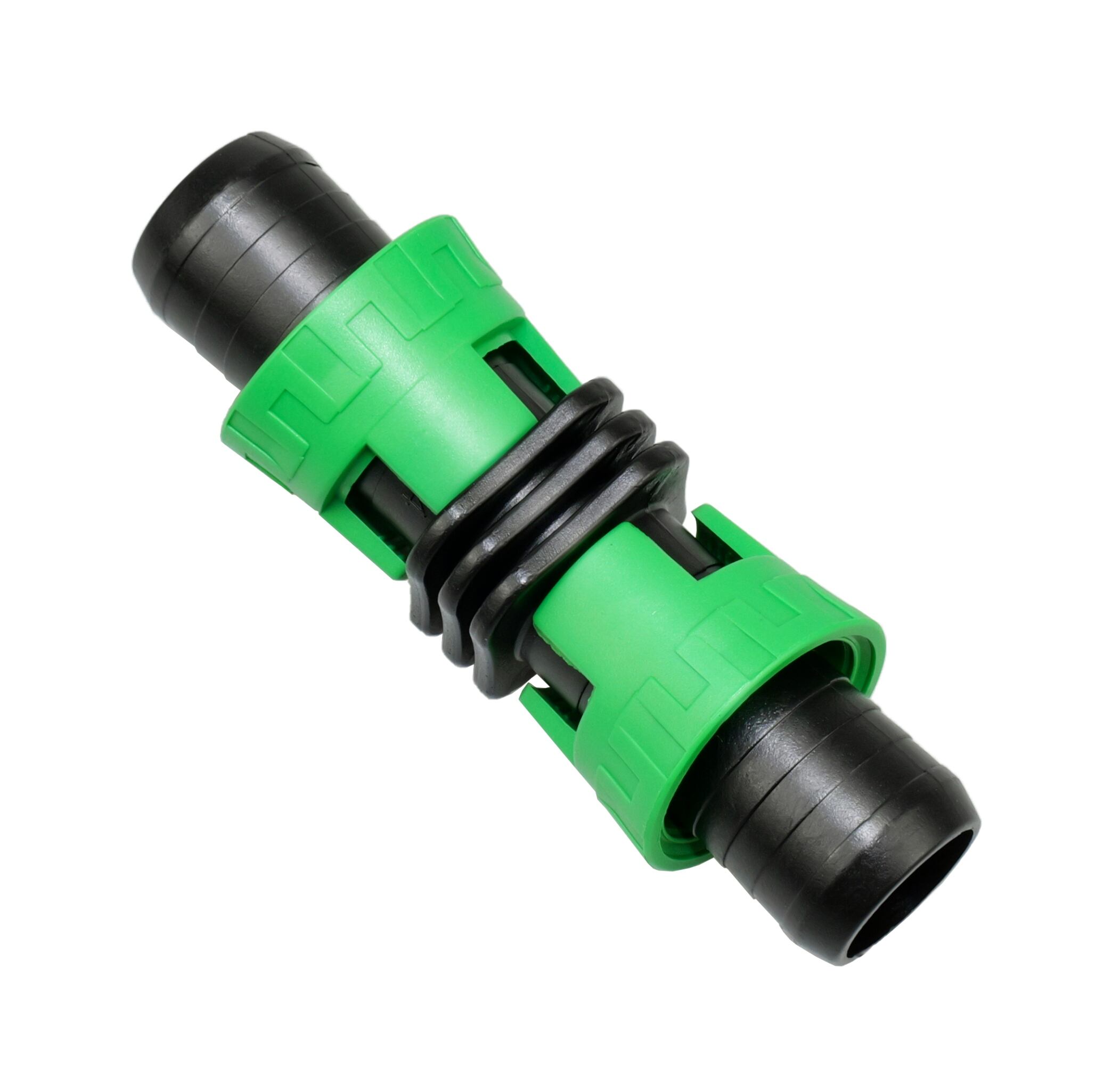
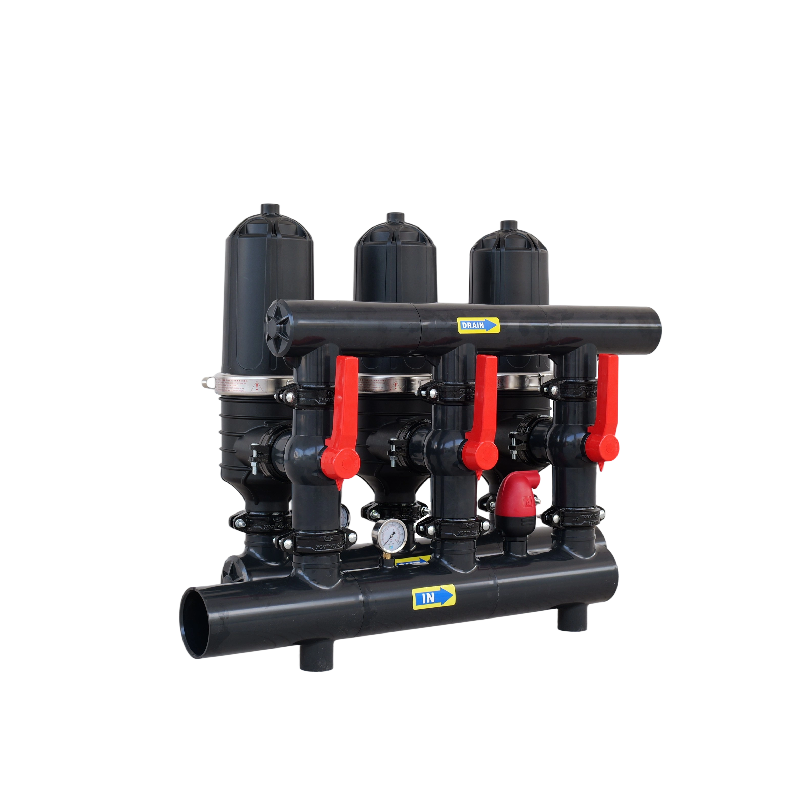
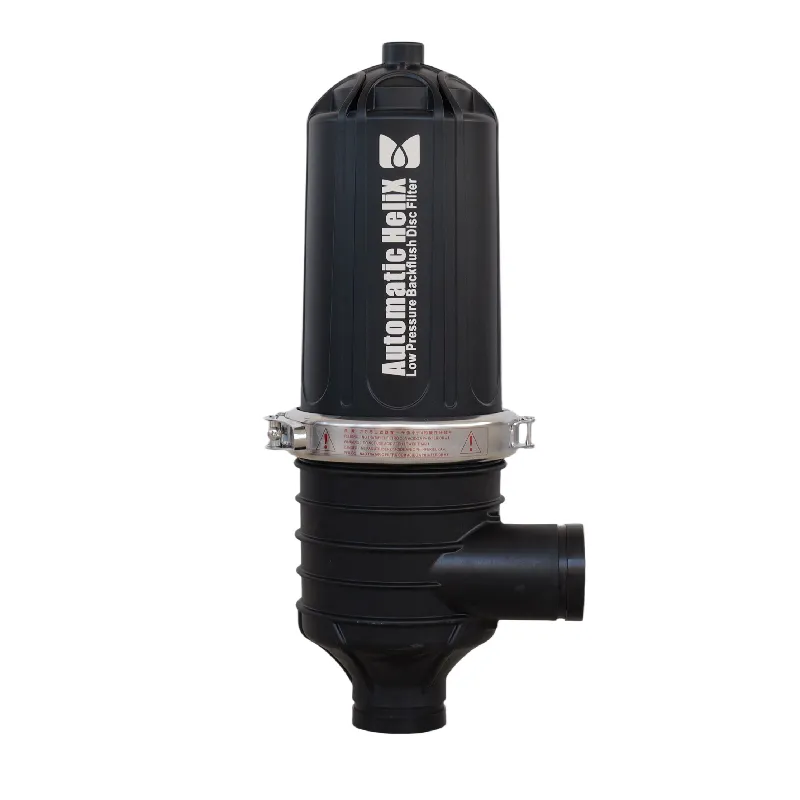
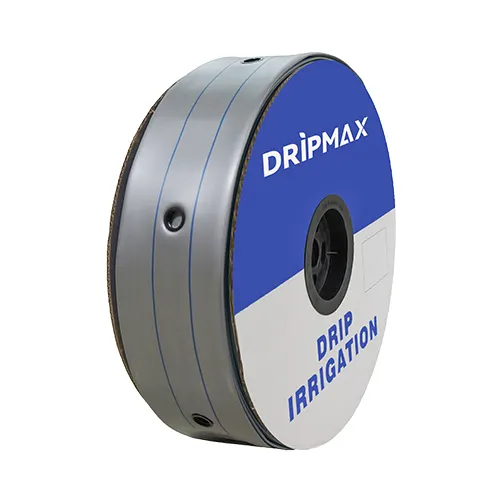
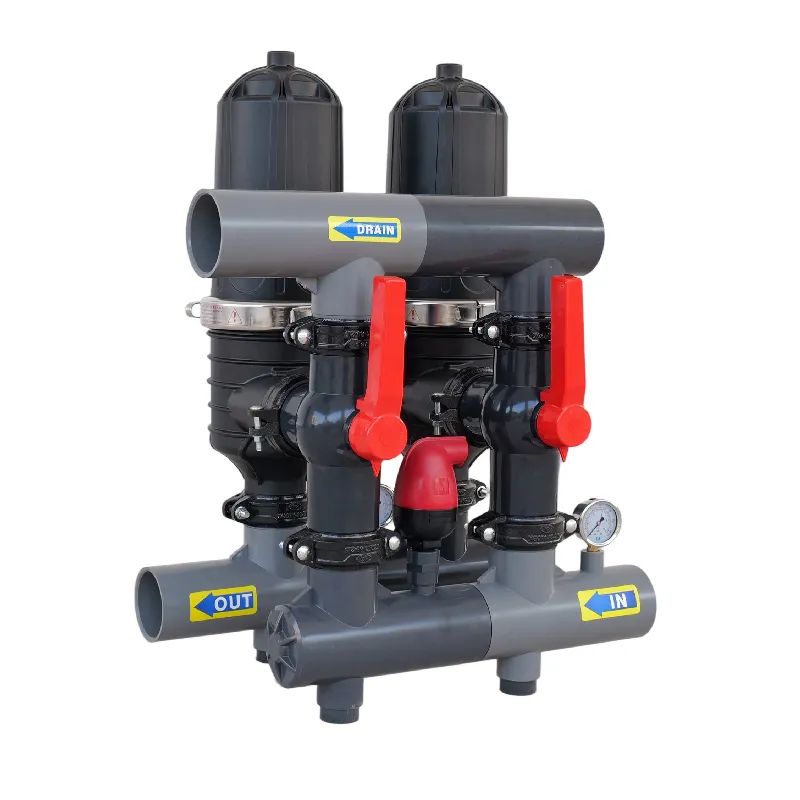
Agriculture drip irrigation represents a revolutionary water management system that delivers water directly to plant roots through a network of tubes, pipes, and emitters. This precision irrigation method has transformed modern farming by providing controlled water distribution that maximizes crop yields while minimizing water waste. The system operates through a sophisticated network of components including water sources, filtration units, pressure regulators, distribution pipes, and specialized emitters that release water at predetermined rates. The main functions of agriculture drip irrigation encompass precise water delivery, nutrient distribution, and soil moisture management. Unlike traditional flood or sprinkler systems, this technology ensures that water reaches the root zone exactly where plants need it most. The system maintains consistent soil moisture levels, preventing both drought stress and waterlogging conditions that can damage crops. Technological features include programmable timers, pressure compensating emitters, automated control systems, and integrated fertilizer injection capabilities. Modern agriculture drip irrigation systems incorporate smart sensors that monitor soil moisture, weather conditions, and plant water requirements to optimize irrigation schedules automatically. The filtration components remove sediments and particles that could clog emitters, ensuring consistent performance throughout the growing season. Applications span across diverse agricultural sectors including row crops, orchards, vineyards, greenhouse operations, and landscape management. Farmers utilize agriculture drip irrigation for vegetables, fruits, nuts, field crops, and specialty plants. The system proves particularly valuable in arid regions where water conservation is critical, but also benefits farmers in areas with abundant water supplies by improving efficiency and crop quality. Commercial greenhouse operations rely heavily on agriculture drip irrigation for precise environmental control, while small-scale farmers appreciate the system's scalability and ease of installation.

 EN
EN