Advanced Agriculture Drip System Solutions for Efficient Farm Irrigation and Maximum Crop Yields

All Categories

Get a Free Quote

Our representative will contact you soon.
Email
Name
Whats App
Message
0/1000

agriculture drip system


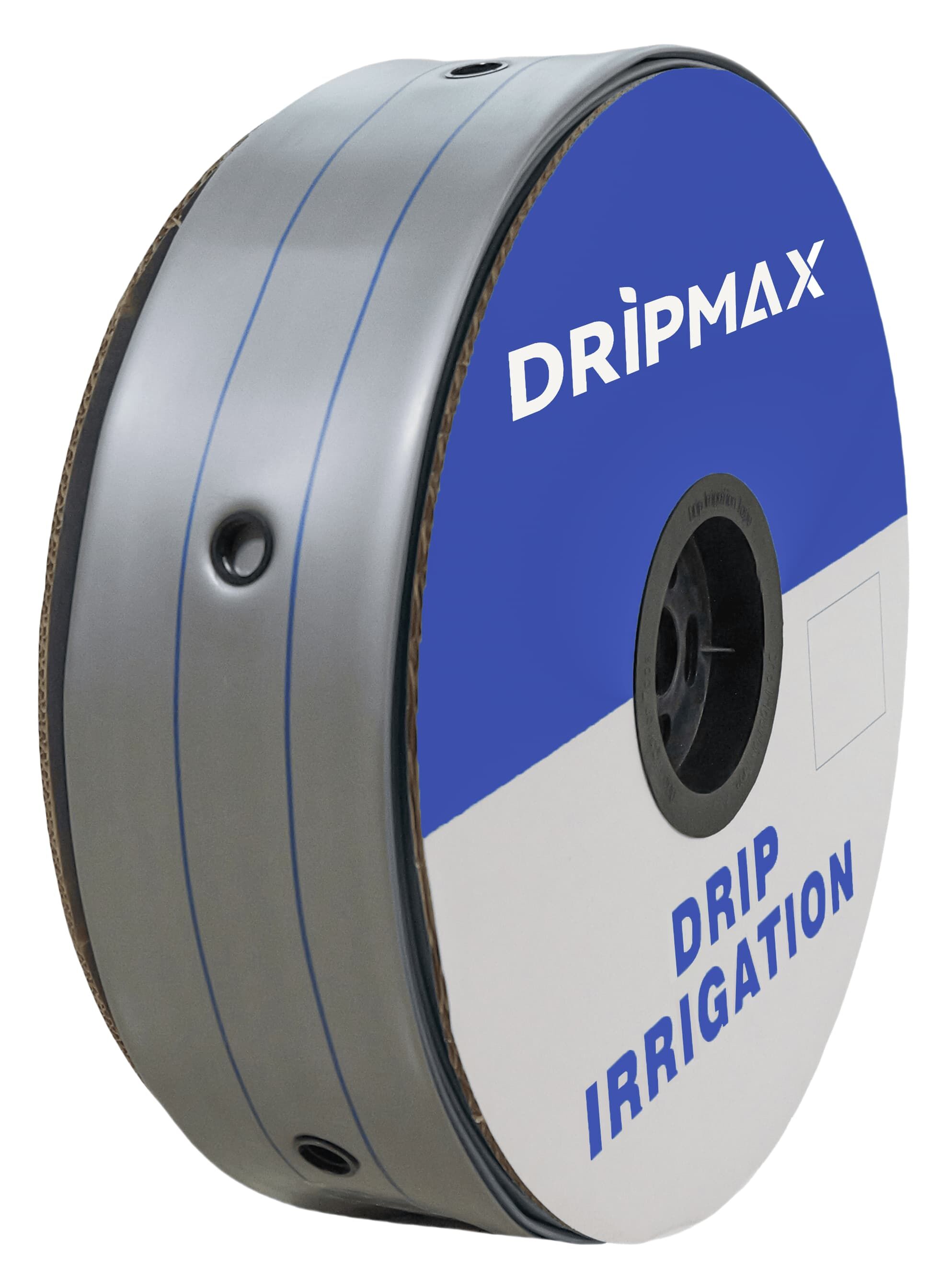
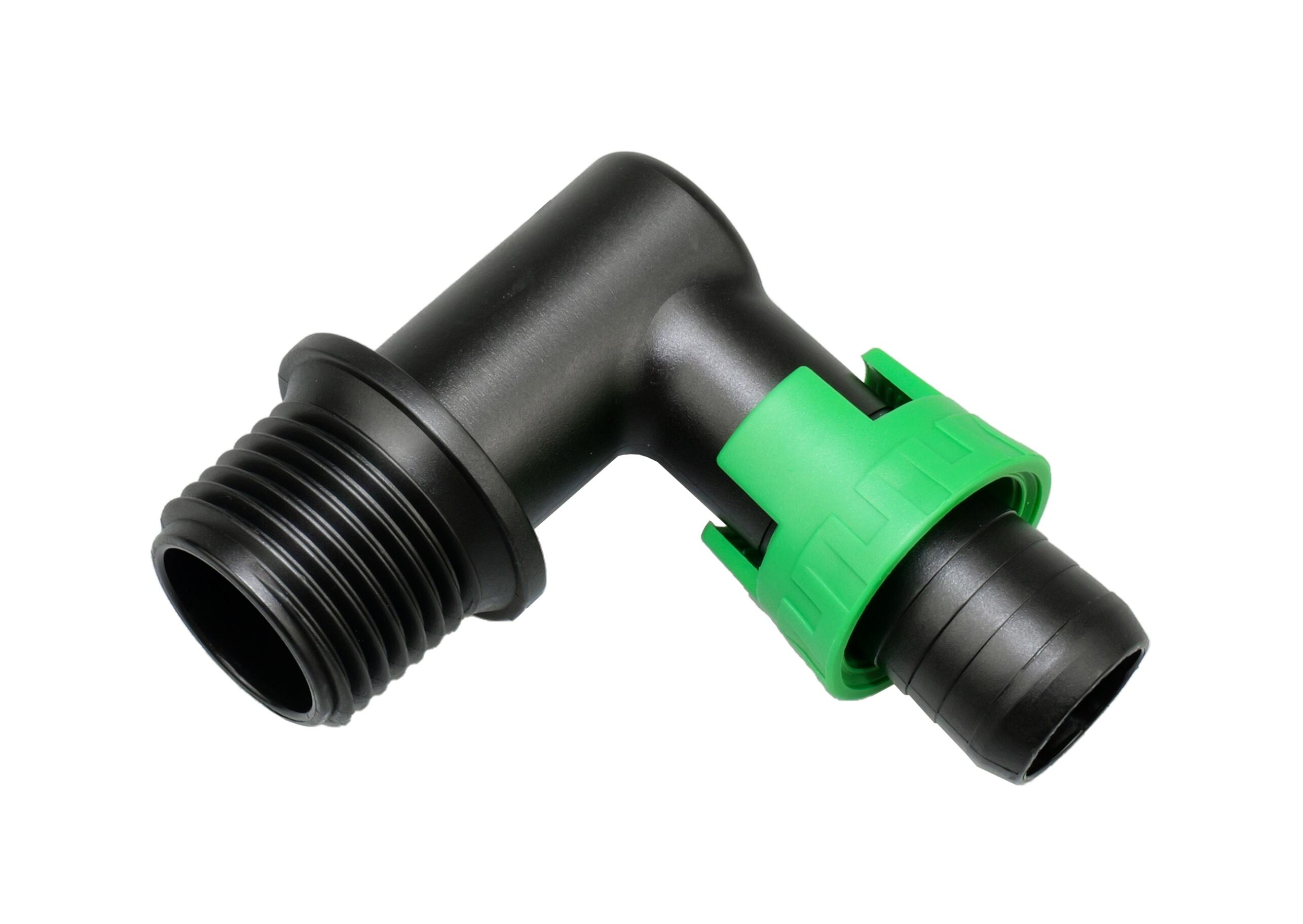
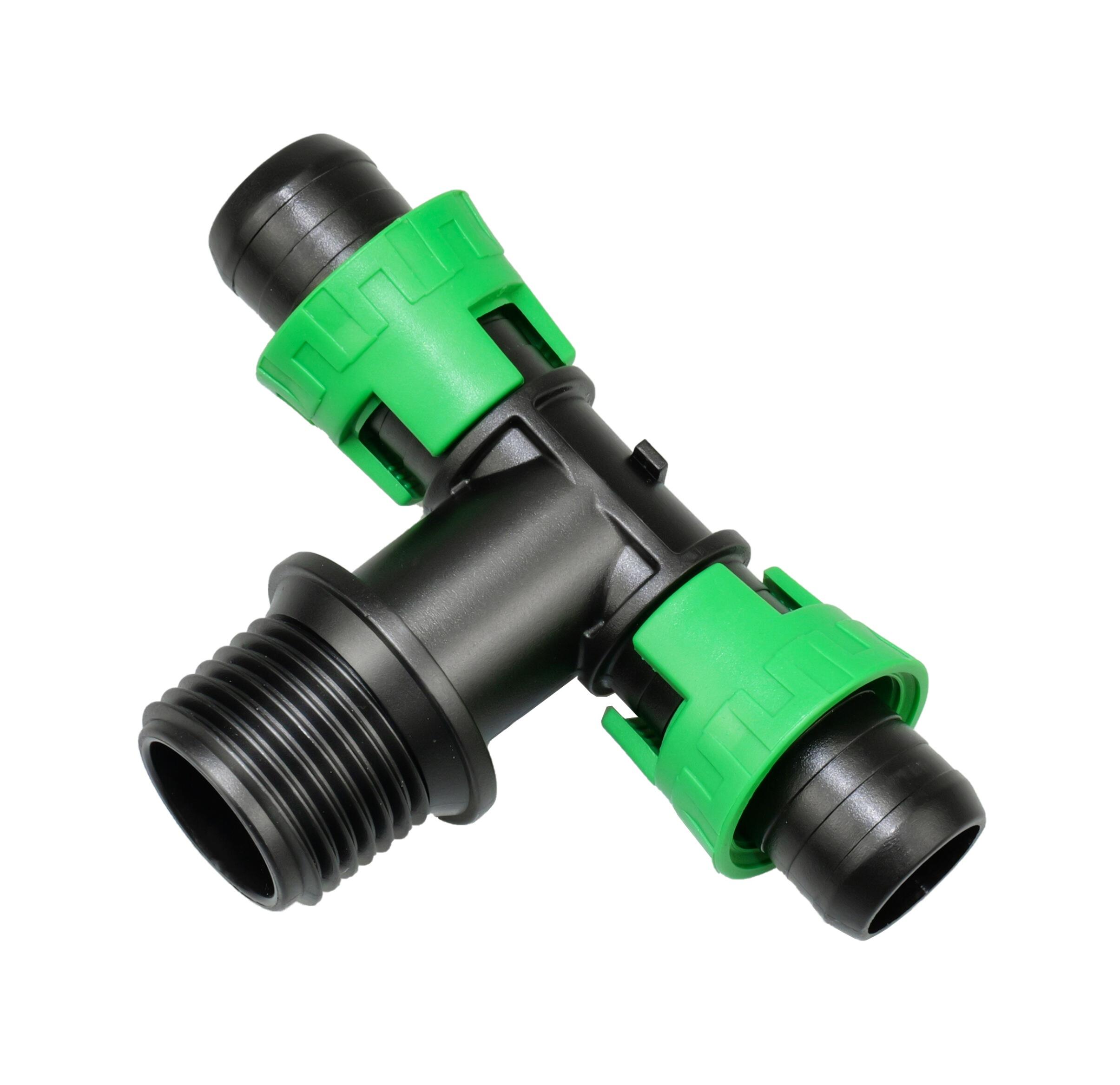
An agriculture drip system represents a revolutionary irrigation technology that delivers water directly to plant roots through a network of tubes, pipes, and emitters. This precision irrigation method transforms traditional farming practices by providing controlled, targeted water distribution that maximizes crop yield while minimizing water waste. The agriculture drip system operates through a sophisticated network that includes main supply lines, distribution tubes, pressure regulators, filters, and specialized drip emitters designed to release water at predetermined rates. The system's core functionality centers on delivering measured amounts of water and nutrients directly to the root zone, ensuring optimal plant hydration without oversaturation or water loss through evaporation. Modern agriculture drip systems incorporate advanced technological features such as automated timers, soil moisture sensors, and computerized control units that monitor and adjust water delivery based on real-time environmental conditions. These systems can be customized for various crop types, soil conditions, and terrain configurations, making them versatile solutions for diverse agricultural applications. The technology supports both surface and subsurface installation methods, allowing farmers to choose the most appropriate configuration for their specific growing conditions. Agriculture drip systems excel in greenhouse environments, open field cultivation, orchards, vineyards, and specialty crop production where precision water management is crucial. The system's modular design enables easy expansion and modification as farming operations grow or change. Integration capabilities with fertilizer injection systems allow simultaneous delivery of nutrients and water, creating a comprehensive plant nutrition solution. Weather-based controllers and smart irrigation technologies further enhance system efficiency by automatically adjusting watering schedules based on climatic conditions, ensuring plants receive optimal hydration while conserving valuable water resources.
New Product Recommendations

Agriculture drip systems deliver exceptional water conservation benefits that directly impact farm profitability and environmental sustainability. These systems reduce water consumption by 30-50% compared to traditional irrigation methods by eliminating runoff, evaporation losses, and overspray that commonly occur with sprinkler systems. Farmers experience immediate cost savings through reduced water bills and lower energy consumption since drip systems operate at lower pressure requirements than conventional irrigation methods. The precise water delivery mechanism prevents soil erosion and nutrient leaching, preserving valuable topsoil and maintaining soil structure integrity over time. Crop yields typically increase by 15-25% when farmers implement agriculture drip systems due to consistent moisture levels that promote optimal plant growth and development. The system eliminates water stress periods that can stunt plant growth and reduces disease incidence by keeping foliage dry, which prevents fungal and bacterial infections common in overhead irrigation systems. Labor costs decrease significantly as automated drip systems require minimal manual intervention once properly installed and programmed. Farmers can easily manage large acreage with reduced workforce requirements, allowing them to allocate human resources to other critical farm operations. Fertilizer efficiency improves dramatically through fertigation capabilities that deliver nutrients directly to root zones, reducing fertilizer waste and preventing groundwater contamination. The uniform water distribution ensures consistent crop quality and reduces harvest variability, leading to better market prices and customer satisfaction. Agriculture drip systems adapt to irregular field shapes and varying topography, providing flexible solutions for challenging terrain where traditional irrigation methods prove ineffective. Weed growth decreases substantially since water application targets specific plant areas rather than broadcasting moisture across entire field surfaces. The system's durability and low maintenance requirements result in extended operational lifespans, typically 15-20 years with proper care, providing excellent return on investment. Farmers gain precise control over irrigation scheduling and water application rates, enabling them to optimize growing conditions for specific crop varieties and growth stages.

Latest News

DripMax Launches Silver Drip Tape: Elevating Irrigation Efficiency

12

Dec

DripMax Launches Silver Drip Tape: Elevating Irrigation Efficiency

View More
Flexible Lay Flat Hose: Ultimate Guide for Farm Water Management

16

Jun

Flexible Lay Flat Hose: Ultimate Guide for Farm Water Management

Explore the benefits of lay flat hoses for farm water management, focusing on efficient water distribution, durability, cost-effectiveness, technical specifications, and integration with drip irrigation systems. Enhance your agricultural productivity with lay flat hoses.
View More
Quick-Install Drip Line Components Save Labor Costs

23

Jul

Quick-Install Drip Line Components Save Labor Costs

Explore labor cost challenges in traditional irrigation systems and discover how modern drip irrigation ensures efficiency with reduced installation time and minimal maintenance. Learn the key benefits for water conservation and scalable growth in agriculture.
View More
Why Is Drip Irrigation Ideal for Water Conservation?

29

Aug

Why Is Drip Irrigation Ideal for Water Conservation?

View More

Get a Free Quote

Our representative will contact you soon.
Email
Name
Company Name
Message
0/1000

agriculture drip system

Precision Water Management Technology

Precision Water Management Technology

The agriculture drip system revolutionizes farm water management through cutting-edge precision technology that delivers exact water quantities directly to plant root zones. This advanced irrigation approach utilizes sophisticated emitter designs that regulate water flow rates with remarkable accuracy, ensuring each plant receives optimal hydration without waste or oversaturation. The system's precision stems from carefully engineered pressure-compensating emitters that maintain consistent water output regardless of pressure variations throughout the irrigation network. This technology eliminates the guesswork from irrigation scheduling by providing measurable, controllable water delivery that responds to specific crop requirements and soil conditions. Modern agriculture drip systems integrate smart sensors that continuously monitor soil moisture levels, weather conditions, and plant stress indicators, automatically adjusting water delivery schedules to maintain ideal growing conditions. The precision control extends to fertilizer application through integrated fertigation capabilities that deliver nutrients in exact concentrations and timing to maximize plant uptake efficiency. Farmers can program different irrigation zones with unique watering schedules and rates, accommodating diverse crop varieties and growth stages within the same field. The technology's precision reduces water waste by eliminating runoff and deep percolation while preventing salt accumulation in root zones through controlled leaching fractions. This level of control enables farmers to achieve consistent crop quality and yields while optimizing resource utilization. The system's modular design allows for easy expansion and zone customization as farm operations evolve. Advanced controllers with weather-based programming automatically adjust irrigation schedules based on evapotranspiration rates, rainfall predictions, and seasonal variations. The precision water management technology empowers farmers to implement deficit irrigation strategies where appropriate, carefully managing water stress to improve crop quality without sacrificing yields.
Cost-Effective Agricultural Solution

Cost-Effective Agricultural Solution

Agriculture drip systems provide exceptional cost-effectiveness through multiple financial benefits that significantly improve farm profitability and operational efficiency. The initial investment in drip irrigation technology typically pays for itself within 2-4 years through water savings, increased yields, and reduced labor costs, making it one of the most financially attractive farm improvements available. Water cost reductions represent the most immediate savings, with farms typically experiencing 30-50% decreases in water bills due to the system's efficient delivery mechanism that eliminates waste through evaporation, runoff, and oversaturation. Energy savings contribute additional cost benefits as agriculture drip systems operate at lower pressure requirements than sprinkler systems, reducing pump operating costs and extending equipment lifespan. Labor cost reductions provide substantial ongoing savings as automated drip systems require minimal daily maintenance and monitoring compared to manual irrigation methods that demand significant time investments. The system's ability to reduce crop loss through consistent moisture delivery translates into higher marketable yields and improved crop quality, directly increasing farm revenue potential. Fertilizer cost savings emerge through fertigation capabilities that deliver nutrients directly to root zones with minimal waste, improving uptake efficiency by 25-40% compared to broadcast application methods. Reduced pesticide and fungicide applications result from keeping plant foliage dry, preventing many common diseases that thrive in moist conditions created by overhead irrigation systems. The system's durability ensures long-term cost-effectiveness with proper maintenance extending operational life to 15-20 years, providing excellent return on investment compared to annual costs of inefficient irrigation methods. Operational flexibility allows farmers to irrigate larger areas with existing water supplies, potentially enabling crop diversification or expansion without additional water rights acquisition costs. The technology's scalability means farmers can implement systems gradually, spreading investment costs over time while immediately benefiting from improved efficiency in treated areas.
Enhanced Crop Health and Yield Performance

Enhanced Crop Health and Yield Performance

Agriculture drip systems dramatically enhance crop health and yield performance through precise environmental control that creates optimal growing conditions for maximum plant productivity and quality. The system's targeted water delivery eliminates the moisture stress cycles that commonly plague traditional irrigation methods, providing plants with consistent hydration levels that support steady growth and development throughout the growing season. Root zone moisture optimization encourages deep, healthy root system development as plants access water efficiently without competing for surface moisture that evaporates quickly in conventional irrigation scenarios. The dry foliage conditions maintained by drip irrigation significantly reduce disease pressure by eliminating the humid microenvironments that promote fungal and bacterial infections common in overhead watering systems. This disease reduction translates into healthier plants with improved photosynthetic capacity and energy allocation toward fruit and seed production rather than disease resistance. Nutrient management becomes more precise through fertigation integration, allowing farmers to deliver balanced nutrition directly to active root zones where uptake efficiency reaches maximum levels. The controlled environment reduces plant stress indicators while promoting consistent flowering, fruit set, and maturation patterns that result in more uniform harvests and higher quality produce. Yield improvements typically range from 15-25% in most crops due to optimized growing conditions that eliminate growth-limiting factors such as water stress, nutrient deficiencies, and disease pressure. The system enables farmers to extend growing seasons in many regions by providing reliable irrigation during drought periods or in areas with irregular rainfall patterns. Crop quality improvements manifest in better color development, improved sugar content, enhanced flavor profiles, and extended shelf life characteristics that command premium market prices. The technology supports intensive cropping systems and high-value specialty crops that require precise environmental control for successful production. Root zone salinity management becomes more controllable as farmers can implement controlled leaching schedules to prevent salt accumulation while maintaining optimal nutrient concentrations for plant uptake.

Get a Free Quote

Our representative will contact you soon.
Email
Name
Company Name
Message
0/1000