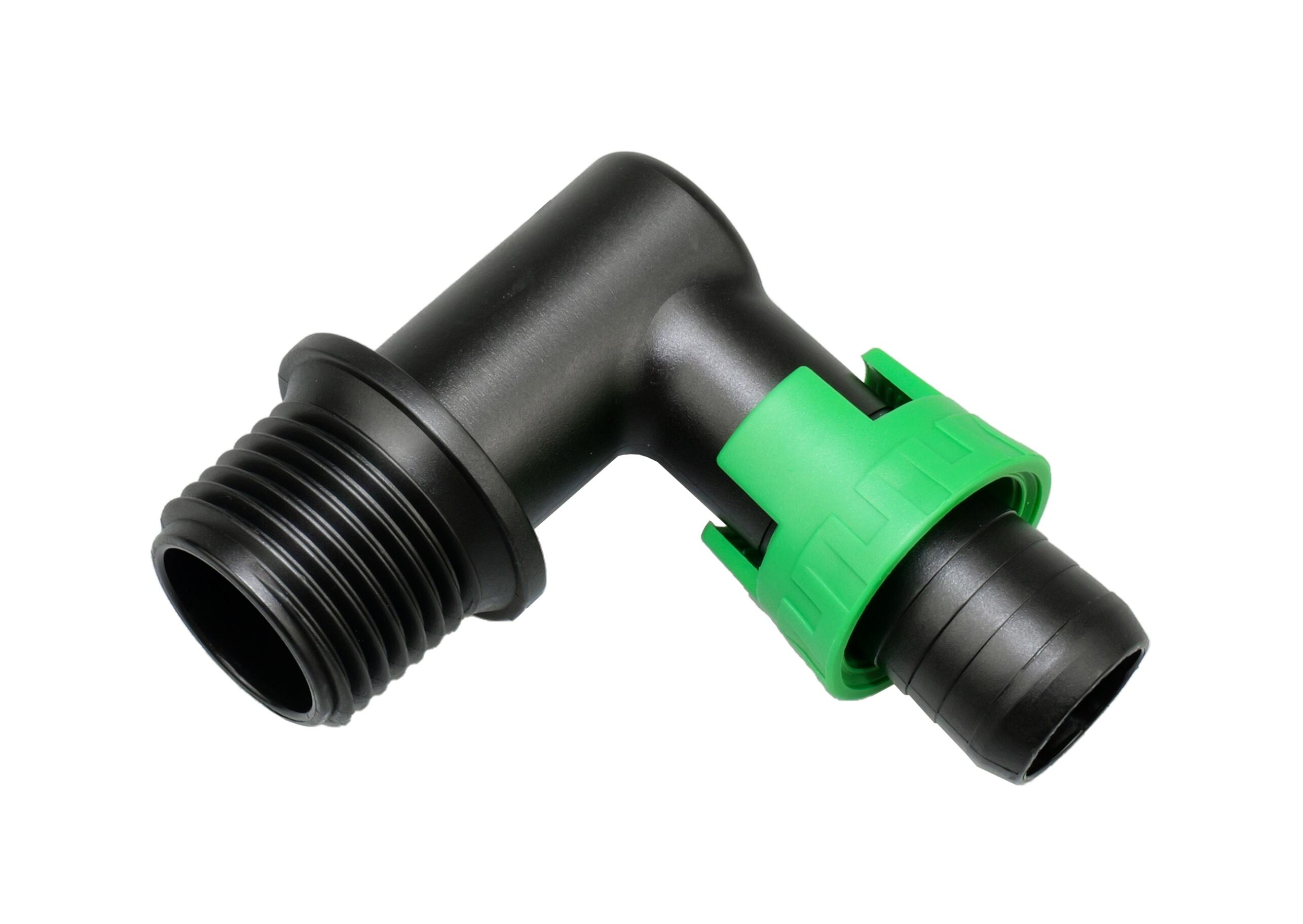
Agriculture Drip Irrigation Systems - Advanced Water-Saving Technology for Modern Farming

All Categories

Get a Free Quote

Our representative will contact you soon.
Email
Name
Whats App
Message
0/1000

agriculture drip

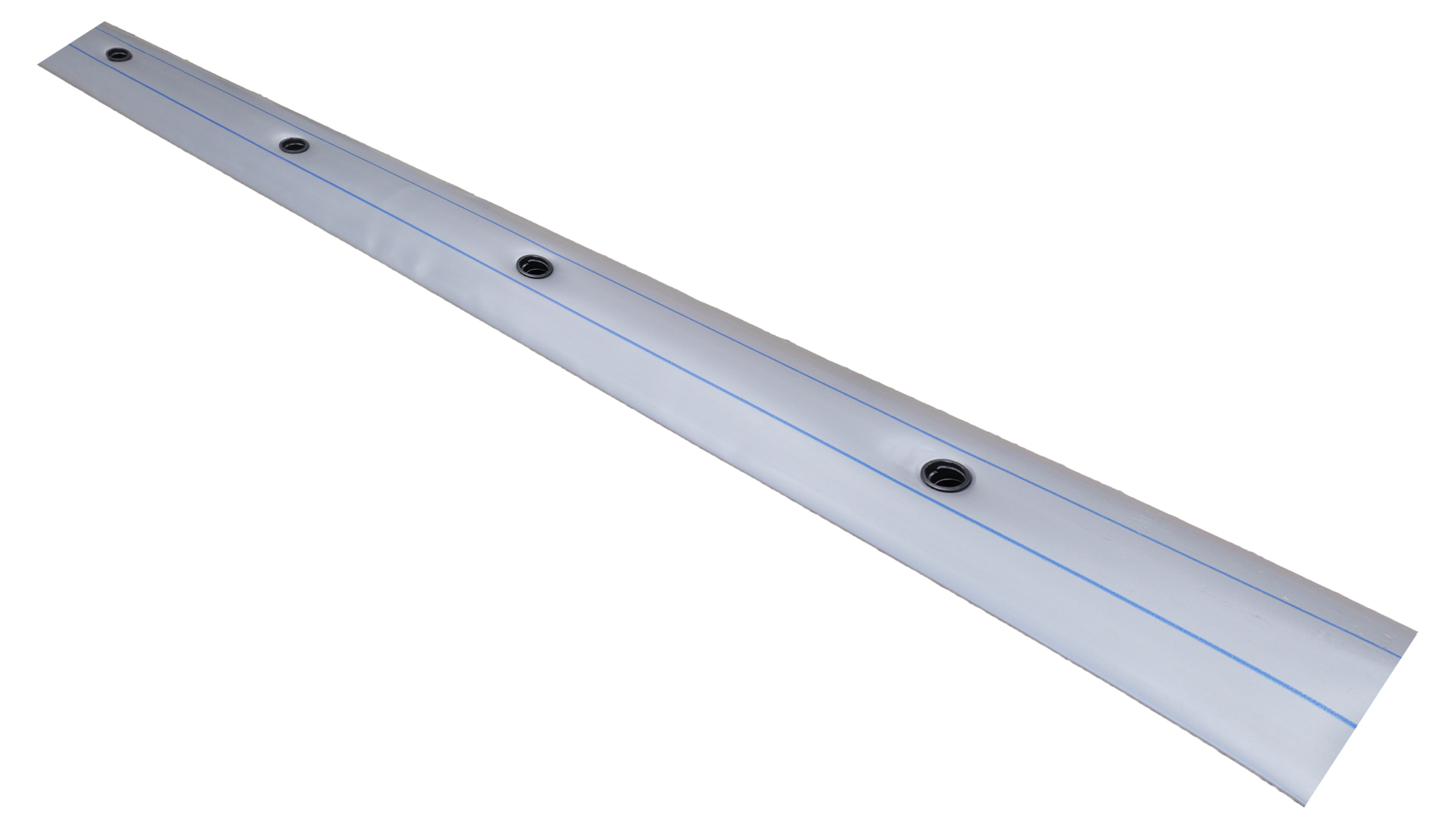
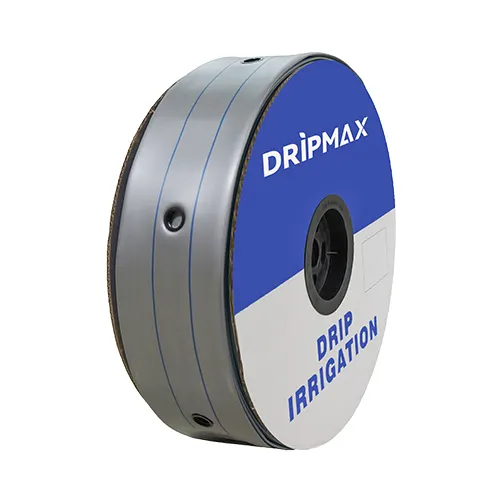
Agriculture drip irrigation represents a revolutionary approach to modern farming that delivers water and nutrients directly to plant roots through a network of tubes, valves, and emitters. This precision irrigation system fundamentally transforms how farmers manage water resources by providing controlled, targeted moisture delivery that maximizes crop yield while minimizing water waste. The agriculture drip system operates on the principle of slow, steady water application at low pressure, ensuring optimal soil moisture levels without oversaturation or runoff. The technological foundation of agriculture drip systems includes pressure-compensating emitters that maintain consistent flow rates regardless of elevation changes or pressure variations throughout the field. These sophisticated components work in conjunction with filtration systems that prevent clogging and ensure reliable operation over extended periods. Modern agriculture drip installations incorporate smart sensors and automated controls that monitor soil moisture, weather conditions, and plant growth stages to optimize irrigation scheduling. The versatility of agriculture drip technology extends across diverse agricultural applications, from small-scale vegetable gardens to expansive commercial orchards and field crops. Greenhouse operations particularly benefit from agriculture drip systems due to their precise control capabilities and reduced humidity levels that help prevent plant diseases. The modular design of agriculture drip components allows for customization based on specific crop requirements, soil conditions, and topographical challenges. Installation flexibility enables farmers to adapt agriculture drip systems to existing field layouts without major infrastructure modifications. The integration of fertilizer injection capabilities transforms agriculture drip systems into comprehensive fertigation platforms that deliver nutrients alongside irrigation water. This dual functionality streamlines farming operations while ensuring plants receive balanced nutrition throughout their growth cycle. Environmental sustainability drives much of the agriculture drip adoption as water conservation becomes increasingly critical for agricultural viability. The precision delivery mechanism of agriculture drip systems reduces water consumption by up to seventy percent compared to traditional irrigation methods while maintaining or improving crop quality and yield potential.

New Products

Agriculture drip irrigation delivers substantial water savings that directly translate to reduced operating costs and improved environmental stewardship for farming operations. Farmers using agriculture drip systems typically achieve water reduction rates between forty to seventy percent compared to conventional sprinkler or flood irrigation methods. This dramatic water conservation occurs because agriculture drip technology eliminates evaporation losses, reduces runoff, and prevents water application to non-productive areas between crop rows. The precision targeting capability of agriculture drip systems ensures every drop reaches the intended root zone where plants can immediately utilize the moisture for growth and development. Enhanced crop yields represent another compelling advantage of agriculture drip implementation, as consistent soil moisture levels promote optimal plant health and productivity. Research demonstrates that crops irrigated with agriculture drip systems often produce fifteen to fifty percent higher yields due to reduced water stress and improved nutrient uptake efficiency. The controlled water delivery prevents both drought stress and waterlogged conditions that can severely impact plant performance and fruit quality. Labor cost reduction emerges as a significant economic benefit when farmers transition to agriculture drip irrigation systems. Automated scheduling and operation capabilities minimize the manual labor required for irrigation management, freeing farm workers to focus on other essential tasks like harvesting, pruning, and pest management. The agriculture drip system operates independently once programmed, eliminating the need for constant monitoring and manual valve adjustments required by traditional irrigation methods. Fertilizer efficiency improves dramatically with agriculture drip fertigation capabilities that deliver nutrients directly to root zones at precise concentrations and timing intervals. This targeted approach reduces fertilizer waste, prevents groundwater contamination, and ensures plants receive optimal nutrition throughout their growth cycles. Farmers report fertilizer cost savings of twenty to thirty percent while achieving better crop nutrition outcomes through agriculture drip fertigation programs. Disease prevention becomes easier with agriculture drip systems because foliage remains dry during irrigation cycles, creating unfavorable conditions for fungal and bacterial pathogens that thrive in moist environments. Traditional overhead irrigation methods wet entire plant canopies, promoting disease development and requiring increased pesticide applications. The agriculture drip approach maintains healthy growing conditions while reducing chemical input requirements and associated costs. Energy efficiency improvements result from the low-pressure operation characteristics of agriculture drip systems compared to high-pressure sprinkler installations. Reduced pumping requirements translate to lower electricity costs and decreased wear on irrigation equipment, extending system lifespan and reducing maintenance expenses. The agriculture drip technology operates effectively at pressures between ten to thirty PSI, significantly less than the fifty to eighty PSI required by most sprinkler systems.

Practical Tips

Low-Flow Drip Irrigation: A Game-Changer for Efficient Water Use in Modern Agriculture

12

Dec

Low-Flow Drip Irrigation: A Game-Changer for Efficient Water Use in Modern Agriculture

View More
Small Products Play a Crucial Role in Drip Irrigation Systems: Lock Ring Connectors for Drip Tape

15

Apr

Small Products Play a Crucial Role in Drip Irrigation Systems: Lock Ring Connectors for Drip Tape

View More
Water-Saving Drip Tape Technology Reduces Agricultural Costs

16

Jun

Water-Saving Drip Tape Technology Reduces Agricultural Costs

Discover the mechanics of drip tape technology, its components, and the benefits of smart integration with modern agriculture. Learn about the future innovations in water-efficient farming for sustainable practices.
View More
How DripMax's Agricultural Irrigation Systems Boost Productivity

23

Jul

How DripMax's Agricultural Irrigation Systems Boost Productivity

Explore the comprehensive guide to drip irrigation technology, its role in modern agriculture, and the advancements made by systems like DripMax. Discover how this method optimizes water use, enhances crop yields, and supports sustainable practices in farming.
View More

Get a Free Quote

Our representative will contact you soon.
Email
Name
Company Name
Message
0/1000

agriculture drip

Precision Water Management Technology

Precision Water Management Technology

Agriculture drip systems excel in precision water management through advanced emitter technology that delivers exact water quantities directly to plant root zones with unprecedented accuracy. The sophisticated engineering behind agriculture drip emitters ensures uniform water distribution across entire field installations regardless of terrain variations, pressure fluctuations, or system length. Pressure-compensating emitters maintain consistent flow rates even when elevation changes create pressure differences throughout the agriculture drip network, guaranteeing equal water delivery to plants at various field locations. This precision eliminates the common problems associated with traditional irrigation methods where plants at different elevations or distances from water sources receive unequal water amounts. The agriculture drip system incorporates self-flushing emitters that prevent clogging from particles or mineral deposits, ensuring reliable long-term performance without frequent maintenance interruptions. Smart filtration systems work in conjunction with agriculture drip emitters to remove sediments and organic matter that could compromise system performance. The modular design of agriculture drip components allows farmers to customize water delivery rates based on specific crop requirements, growth stages, and environmental conditions. Different emitter flow rates ranging from half-gallon to four gallons per hour enable precise matching of water application to plant needs throughout the growing season. Advanced agriculture drip controllers integrate weather data, soil moisture sensors, and plant growth algorithms to automatically adjust irrigation schedules for optimal water management. These intelligent systems prevent over-watering during rainy periods and increase irrigation frequency during heat waves or drought conditions. The precision capabilities of agriculture drip technology extend to fertilizer and chemical application through integrated injection systems that deliver exact nutrient concentrations to root zones. This fertigation capability transforms agriculture drip installations into comprehensive plant nutrition platforms that optimize both water and fertilizer efficiency. Remote monitoring capabilities allow farmers to track agriculture drip system performance from smartphones or computers, receiving alerts about pressure changes, flow irregularities, or maintenance requirements. The precision water management achieved through agriculture drip technology results in healthier plants, improved yields, and significant resource conservation that benefits both farm profitability and environmental sustainability.
Comprehensive Water Conservation Solution

Comprehensive Water Conservation Solution

Agriculture drip irrigation provides the most comprehensive water conservation solution available to modern farmers facing increasing water scarcity and rising irrigation costs. The fundamental design of agriculture drip systems eliminates the massive water losses associated with traditional irrigation methods by delivering water directly to plant root zones without exposure to evaporation, wind drift, or surface runoff. Evaporation losses, which can account for up to thirty percent of applied water in sprinkler systems, become virtually non-existent with agriculture drip technology because water travels through enclosed tubing directly to soil application points. The targeted delivery mechanism of agriculture drip systems prevents water waste in non-productive areas between crop rows, walkways, and field borders where traditional irrigation methods indiscriminately apply water. This precision targeting can reduce total water consumption by fifty to seventy percent while maintaining or improving crop yields and quality. The agriculture drip approach also eliminates deep percolation losses that occur when excessive water applications exceed soil retention capacity and drain below the root zone. Soil moisture sensors integrated with agriculture drip controllers provide real-time feedback about actual plant water needs, preventing unnecessary irrigation cycles and further enhancing conservation benefits. The slow application rate characteristic of agriculture drip systems allows complete water infiltration into soil profiles, eliminating surface runoff that carries away both water and valuable topsoil. This infiltration efficiency becomes particularly important on sloped terrain where traditional irrigation methods experience significant runoff losses. The agriculture drip technology enables farmers to implement deficit irrigation strategies where controlled water stress during specific growth stages can actually improve fruit quality and concentrate flavors without compromising overall yields. Water recycling capabilities can be integrated with agriculture drip systems to capture and reuse drainage water, creating closed-loop irrigation cycles that maximize water utilization efficiency. The conservation benefits of agriculture drip systems extend beyond immediate water savings to include reduced energy consumption for pumping, decreased wear on water supply infrastructure, and lower wastewater generation. These comprehensive conservation advantages make agriculture drip irrigation an essential technology for sustainable farming operations in water-limited regions and an increasingly attractive option for environmentally conscious growers worldwide.
Advanced Automation and Control Features

Advanced Automation and Control Features

Agriculture drip systems incorporate sophisticated automation and control technologies that revolutionize irrigation management by eliminating guesswork and optimizing water application timing and duration. The advanced control capabilities of modern agriculture drip installations include programmable timers, soil moisture sensors, weather station integration, and smartphone connectivity that collectively create intelligent irrigation management platforms. These automation features enable agriculture drip systems to operate independently while continuously adjusting to changing environmental conditions and plant growth requirements. Soil moisture sensors provide real-time feedback about actual plant water needs, allowing agriculture drip controllers to initiate irrigation cycles only when necessary and stop watering when optimal moisture levels are achieved. Weather station integration enables agriculture drip systems to incorporate rainfall data, temperature readings, humidity levels, and wind speed into irrigation decision algorithms. This comprehensive environmental monitoring prevents unnecessary watering during rainy periods and adjusts application rates based on evapotranspiration demands. The agriculture drip automation responds immediately to weather changes, reducing water waste and preventing plant stress from inappropriate irrigation timing. Smartphone applications connected to agriculture drip controllers allow farmers to monitor and adjust irrigation schedules remotely from any location with internet connectivity. These mobile interfaces provide real-time system status updates, flow rate monitoring, pressure readings, and maintenance alerts that enable proactive system management. The agriculture drip automation can send push notifications about system malfunctions, low pressure conditions, or scheduled maintenance requirements directly to farmer smartphones. Zone-based control capabilities within agriculture drip systems enable different field areas to receive customized irrigation programs based on crop type, growth stage, soil conditions, and microclimatic variations. This sophisticated zoning allows farmers to optimize water application for diverse crops within single agriculture drip installations. Advanced scheduling algorithms consider multiple variables including plant growth stages, seasonal weather patterns, soil moisture retention characteristics, and crop water requirements to develop optimal irrigation programs. The agriculture drip automation learns from historical performance data and continuously refines irrigation strategies to maximize efficiency and crop outcomes. Integration with farm management software enables agriculture drip systems to coordinate with other agricultural operations like fertilizer application, pest control schedules, and harvest planning. This comprehensive automation approach transforms agriculture drip installations into central components of precision agriculture systems that optimize entire farming operations for maximum productivity and resource efficiency.
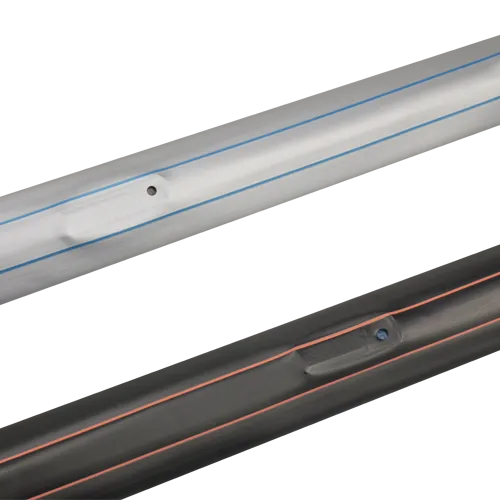
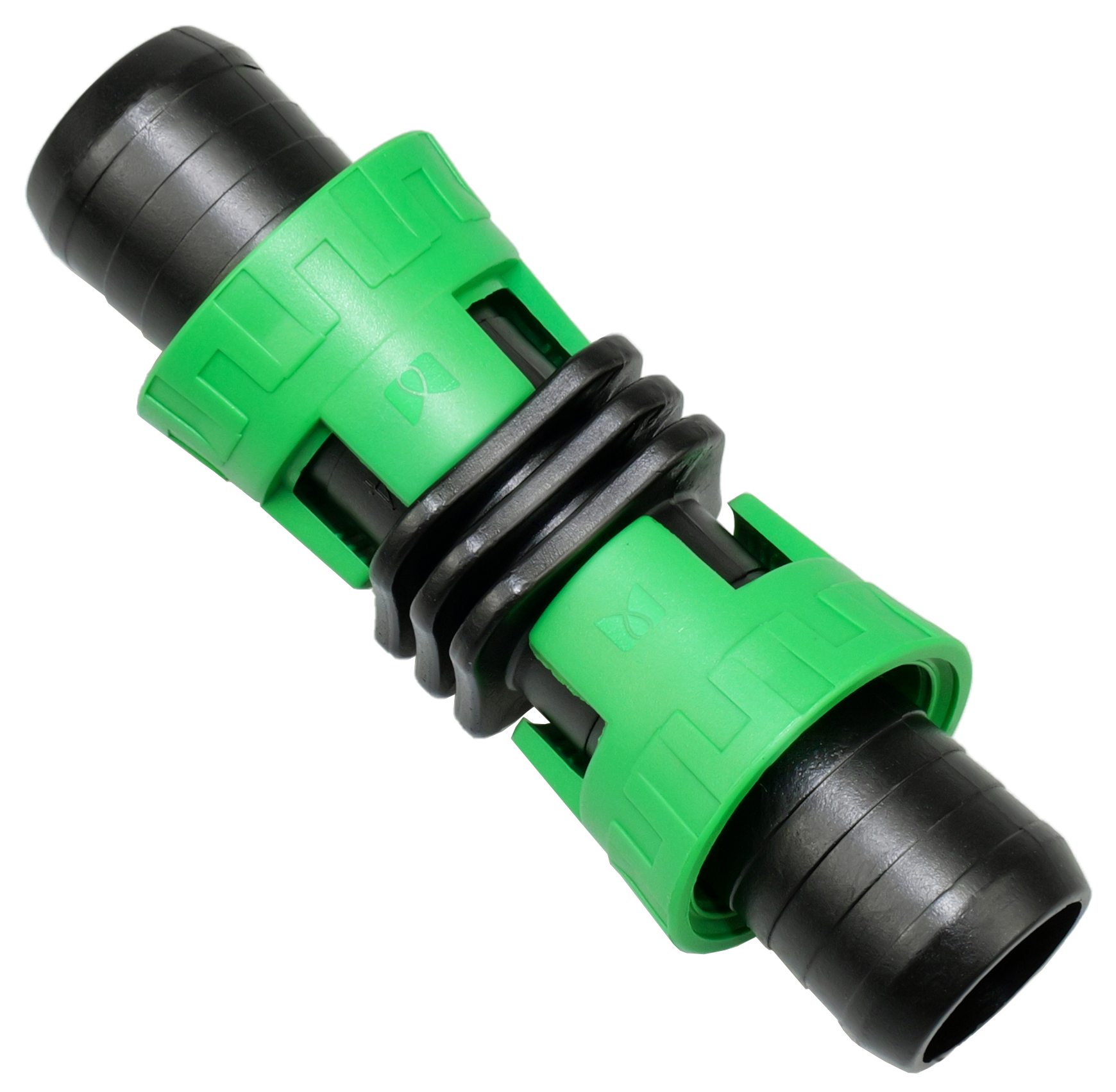
Get a Free Quote

Our representative will contact you soon.
Email
Name
Company Name
Message
0/1000