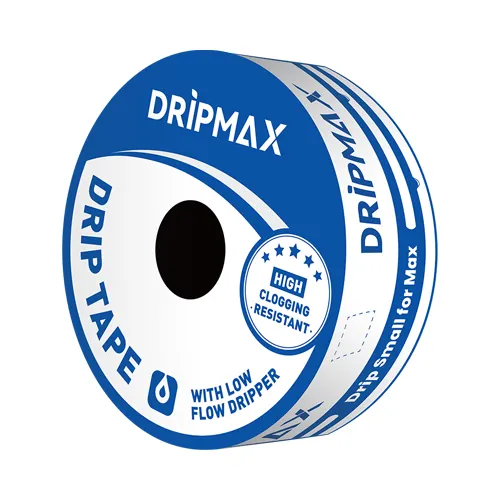
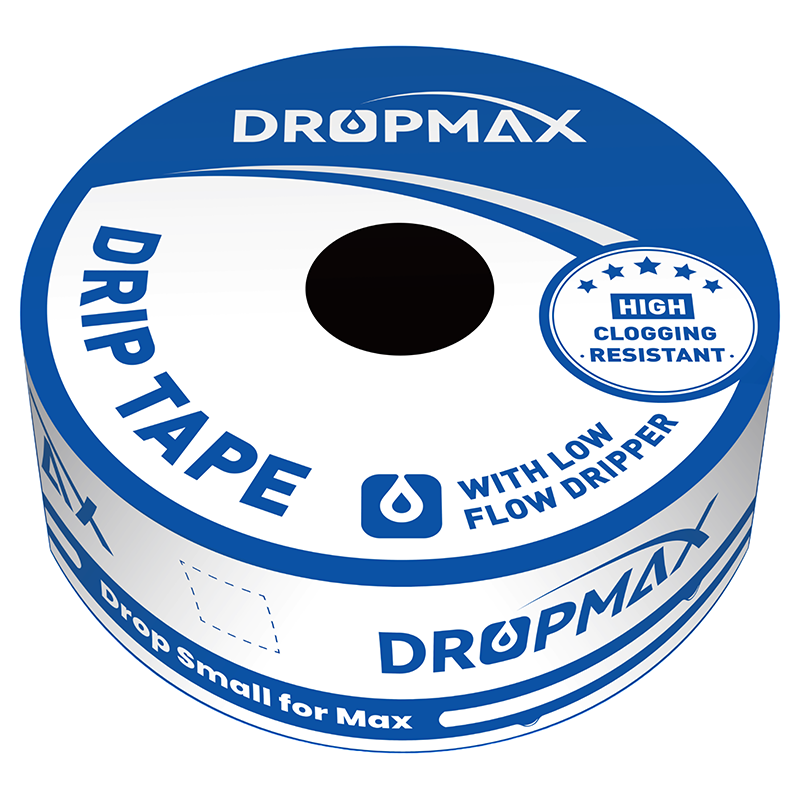

Advanced Agri Irrigation Systems - Precision Water Management Solutions for Modern Agriculture

All Categories

Get a Free Quote

Our representative will contact you soon.
Email
Name
Whats App
Message
0/1000

agri irrigation

Agri irrigation represents a cornerstone technology in modern agricultural practices, designed to deliver precise water management solutions for crop cultivation across diverse farming environments. This sophisticated system encompasses various methods and technologies that ensure optimal water distribution to agricultural lands, maximizing crop yields while minimizing resource waste. The primary function of agri irrigation involves supplying controlled amounts of water directly to plant root zones, compensating for inadequate rainfall and maintaining consistent soil moisture levels throughout growing seasons. Modern agri irrigation systems integrate advanced sensors, automated controls, and data analytics to monitor soil conditions, weather patterns, and crop water requirements in real-time. These technological features enable farmers to make informed decisions about irrigation scheduling, water quantity, and distribution patterns. The system operates through multiple delivery methods including drip irrigation, sprinkler systems, surface flooding, and micro-irrigation techniques, each tailored to specific crop types and field conditions. Applications of agri irrigation span across diverse agricultural sectors, from small-scale vegetable gardens to expansive commercial farms growing grains, fruits, and specialty crops. The technology proves particularly valuable in arid regions where natural precipitation proves insufficient for sustainable agriculture. Beyond basic water delivery, contemporary agri irrigation systems incorporate fertigation capabilities, allowing simultaneous delivery of nutrients and water through the same infrastructure. This integration reduces labor costs and ensures uniform nutrient distribution across planted areas. Environmental monitoring features track water usage patterns, enabling compliance with conservation regulations and sustainable farming practices. The system's adaptability allows implementation across various terrain types, from flat agricultural plains to sloped hillsides, making agri irrigation an essential tool for global food production enhancement and agricultural sustainability initiatives.
Popular Products

Agri irrigation delivers substantial benefits that transform agricultural operations and enhance farm productivity across multiple dimensions. Water conservation stands as the most significant advantage, with modern agri irrigation systems reducing water consumption by up to 50 percent compared to traditional flooding methods. These systems apply water directly to root zones, eliminating runoff and evaporation losses that plague conventional irrigation approaches. Farmers experience dramatic improvements in crop yields when implementing agri irrigation, with many reporting 20-40 percent increases in production volumes. The controlled water delivery ensures plants receive consistent moisture levels, reducing stress and promoting healthy growth throughout all developmental stages. Labor cost reduction represents another compelling benefit, as automated agri irrigation systems eliminate the need for manual watering schedules and constant field monitoring. Workers can focus on other essential farm activities while irrigation systems operate independently according to predetermined schedules or sensor inputs. Energy efficiency improvements emerge through optimized pump operations and reduced water transport requirements, lowering electricity costs and environmental impact. Agri irrigation systems enable precision agriculture practices, allowing farmers to customize water and nutrient delivery for different crop varieties within the same field. This flexibility maximizes land utilization and accommodates diverse planting strategies. Soil health preservation occurs through controlled water application that prevents erosion and nutrient leaching common with flood irrigation methods. The technology reduces disease pressure by keeping foliage dry while maintaining adequate root zone moisture, minimizing fungal infections and pest problems. Quality improvements in harvested crops result from consistent growing conditions, leading to better market prices and customer satisfaction. Seasonal flexibility allows farmers to extend growing periods and cultivate crops during traditionally challenging weather conditions. Risk mitigation becomes possible through reliable water delivery that protects investments against drought conditions and unpredictable rainfall patterns. Long-term cost savings accumulate through reduced water bills, lower maintenance requirements, and improved crop survival rates, making agri irrigation a financially sound investment for agricultural operations of all sizes.

Latest News

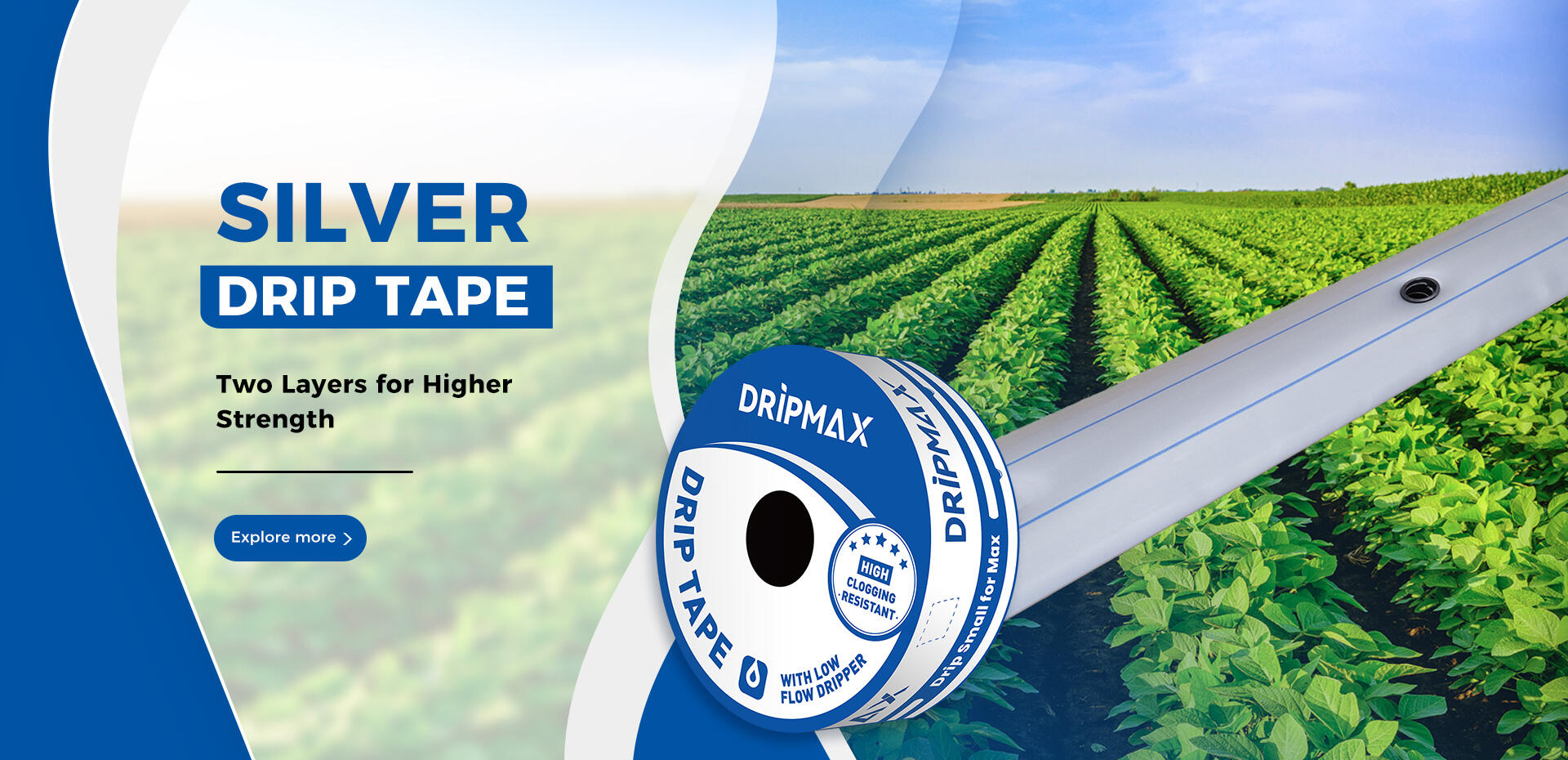
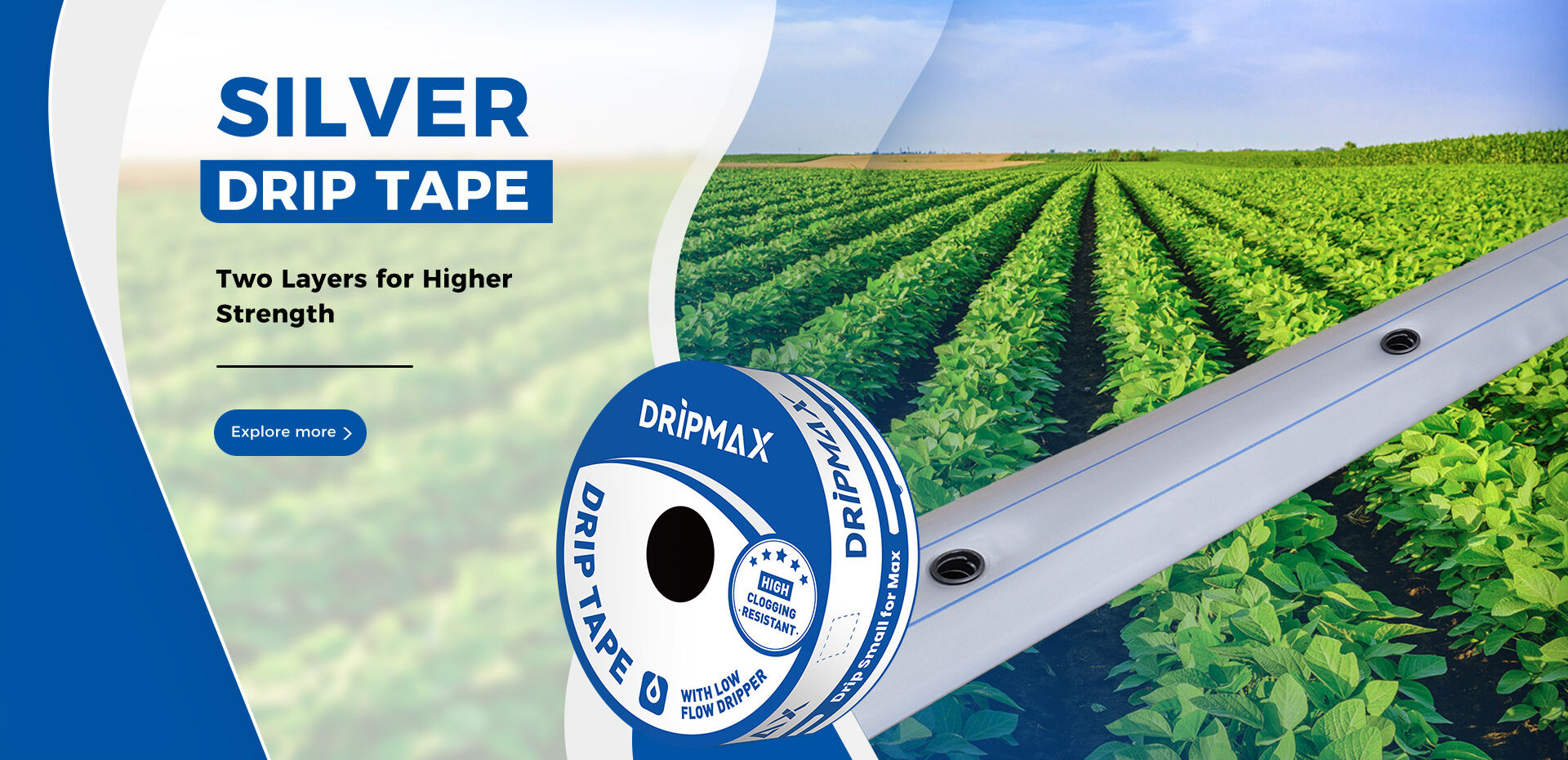
DripMax Launches Silver Drip Tape: Elevating Irrigation Efficiency

12

Dec

DripMax Launches Silver Drip Tape: Elevating Irrigation Efficiency

View More
Small Products Play a Crucial Role in Drip Irrigation Systems: Lock Ring Connectors for Drip Tape

15

Apr

Small Products Play a Crucial Role in Drip Irrigation Systems: Lock Ring Connectors for Drip Tape

View More
 Comparing Traditional vs. Modern Drip Irrigation Tape Systems

23

Jul

Comparing Traditional vs. Modern Drip Irrigation Tape Systems

Discover the key differences between traditional and modern drip irrigation systems, highlighting water efficiency, technological advancements, and cost-effectiveness. Learn how modern systems improve water conservation, crop yield, and sustainability in agriculture.
View More
What Is Drip Irrigation Tape and How Is It Used?

29

Aug

What Is Drip Irrigation Tape and How Is It Used?

View More

Get a Free Quote

Our representative will contact you soon.
Email
Name
Company Name
Message
0/1000

agri irrigation

Advanced Water Management Technology

Advanced Water Management Technology

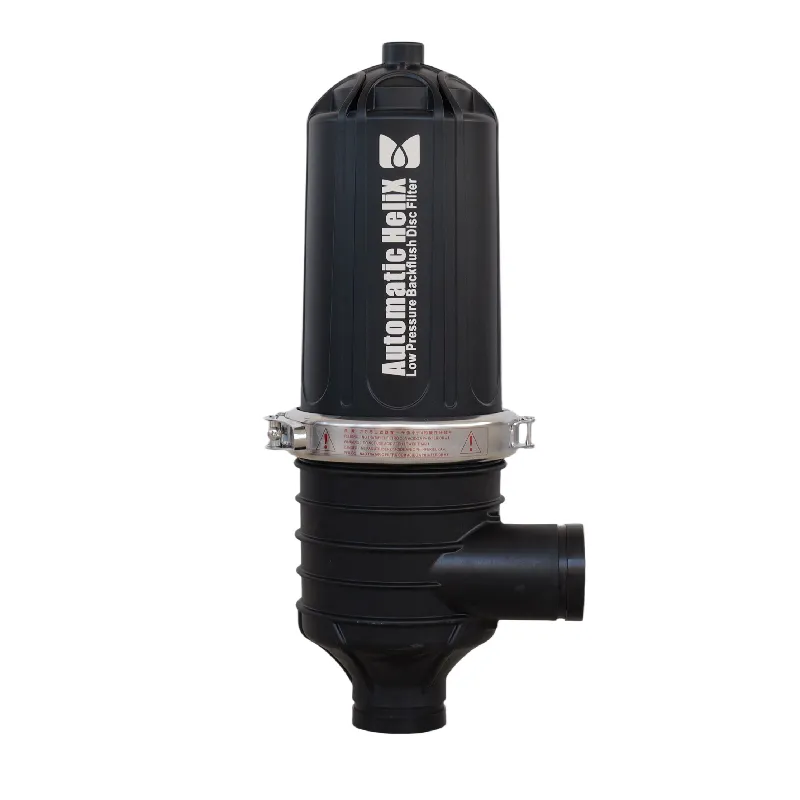
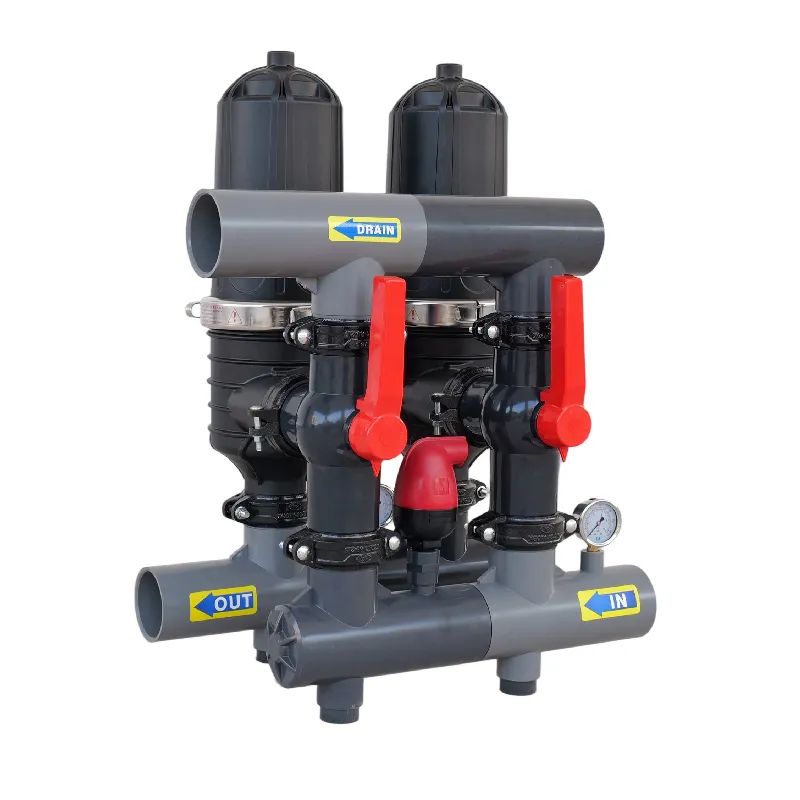
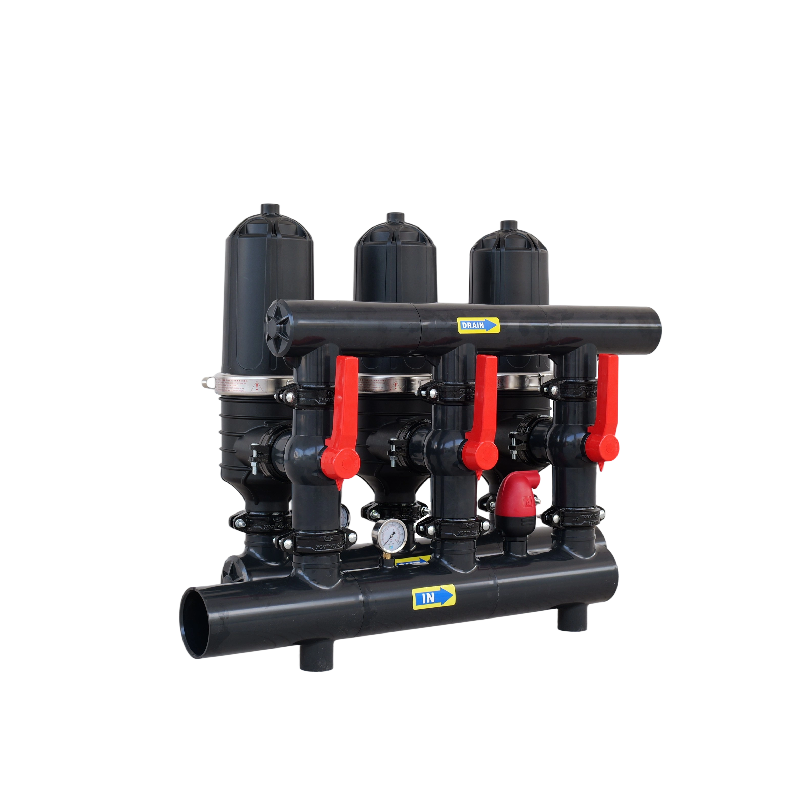
Modern agri irrigation systems incorporate cutting-edge technology that revolutionizes traditional farming water management approaches through intelligent automation and precision control mechanisms. Smart sensors embedded throughout agricultural fields continuously monitor soil moisture levels, temperature variations, and nutrient concentrations, transmitting real-time data to centralized control systems. These sophisticated monitoring capabilities enable farmers to make data-driven irrigation decisions rather than relying on guesswork or outdated scheduling methods. The technology integrates weather forecasting data, automatically adjusting irrigation schedules based on predicted rainfall and temperature changes, preventing overwatering and optimizing resource utilization. Advanced filtration systems ensure water quality remains consistent, removing sediments and contaminants that could clog distribution lines or harm sensitive crops. Variable rate irrigation technology allows different zones within the same field to receive customized water applications based on specific soil conditions, crop varieties, and growth stages. Mobile applications connected to agri irrigation systems provide farmers with remote monitoring and control capabilities, enabling irrigation management from anywhere with internet connectivity. Automated shut-off features prevent system overruns and water waste, while pressure regulation maintains optimal flow rates throughout the distribution network. Integration with farm management software creates comprehensive agricultural data platforms that track water usage, crop performance, and cost efficiency metrics over time. These technological innovations transform agri irrigation from a simple water delivery system into a sophisticated agricultural management tool that enhances productivity, reduces environmental impact, and supports sustainable farming practices for future generations.
Versatile Application Across Multiple Crop Types

Versatile Application Across Multiple Crop Types

Agri irrigation systems demonstrate remarkable versatility in supporting diverse crop cultivation requirements across varying agricultural environments and farming scales. Vegetable production benefits enormously from precise water control, with crops like tomatoes, peppers, and leafy greens requiring consistent moisture levels for optimal flavor development and yield maximization. Fruit orchards utilize agri irrigation for deep root zone watering that supports tree health and consistent fruit production throughout lengthy growing seasons. Grain crops including corn, wheat, and soybeans rely on agri irrigation systems during critical growth phases, ensuring adequate moisture during flowering and grain filling periods that directly impact final yields. Specialty crops such as herbs, spices, and medicinal plants require precise water management to maintain essential oil concentrations and active compound levels that determine market value. Greenhouse operations integrate agri irrigation with controlled environment systems, creating optimal growing conditions for high-value crops year-round regardless of external weather conditions. Row crop applications benefit from customizable spacing and flow rate adjustments that accommodate different planting patterns and equipment requirements. Organic farming operations utilize agri irrigation to maintain certification standards while achieving production goals through sustainable water management practices. Hydroponic systems depend entirely on agri irrigation for nutrient solution delivery, making system reliability and precision absolutely critical for crop survival and quality. Landscape agriculture applications extend beyond food production to include ornamental plants, turf management, and erosion control projects. The adaptability of agri irrigation technology allows farmers to transition between different crop types without major infrastructure changes, providing operational flexibility that supports diverse agricultural business models and market opportunities while maintaining consistent water management effectiveness across all applications.
Economic and Environmental Sustainability Benefits

Economic and Environmental Sustainability Benefits

Agri irrigation systems deliver compelling economic returns while promoting environmental stewardship through resource-efficient agricultural practices that benefit both farmers and surrounding ecosystems. Initial investment costs are quickly offset by substantial reductions in water expenses, with many operators reporting 30-60 percent decreases in annual water bills within the first growing season. Labor savings accumulate through automated operation cycles that eliminate manual irrigation tasks, allowing farm workers to focus on higher-value activities such as crop monitoring, pest management, and harvest operations. Energy efficiency improvements result from optimized pump scheduling and reduced water transport distances, significantly lowering electricity costs associated with irrigation operations. Crop loss prevention through consistent water availability protects agricultural investments and ensures reliable income streams even during drought conditions or irregular rainfall patterns. Premium pricing opportunities arise from improved crop quality and consistency achieved through controlled growing conditions, enabling farmers to access higher-value markets and specialty crop segments. Environmental benefits include groundwater conservation through reduced extraction requirements and improved water table sustainability in agricultural regions. Soil conservation occurs through controlled water application that prevents erosion and maintains soil structure integrity essential for long-term agricultural productivity. Reduced chemical runoff results from precise water management that minimizes nutrient leaching and pesticide transport to surrounding water bodies. Carbon footprint reduction happens through decreased energy consumption and more efficient agricultural practices that support climate change mitigation efforts. Biodiversity support emerges from habitat preservation around agricultural areas where reduced water consumption leaves more resources available for natural ecosystems. Regulatory compliance becomes easier through documented water usage tracking and conservation measures that satisfy environmental protection requirements. These combined economic and environmental advantages position agri irrigation as an essential technology for sustainable agricultural development that meets current production needs while preserving resources for future farming generations.

Get a Free Quote

Our representative will contact you soon.
Email
Name
Company Name
Message
0/1000