Advanced Crop Watering Systems - Maximize Yields with Smart Irrigation Technology

All Categories

Get a Free Quote

Our representative will contact you soon.
Email
Name
Whats App
Message
0/1000

crop watering

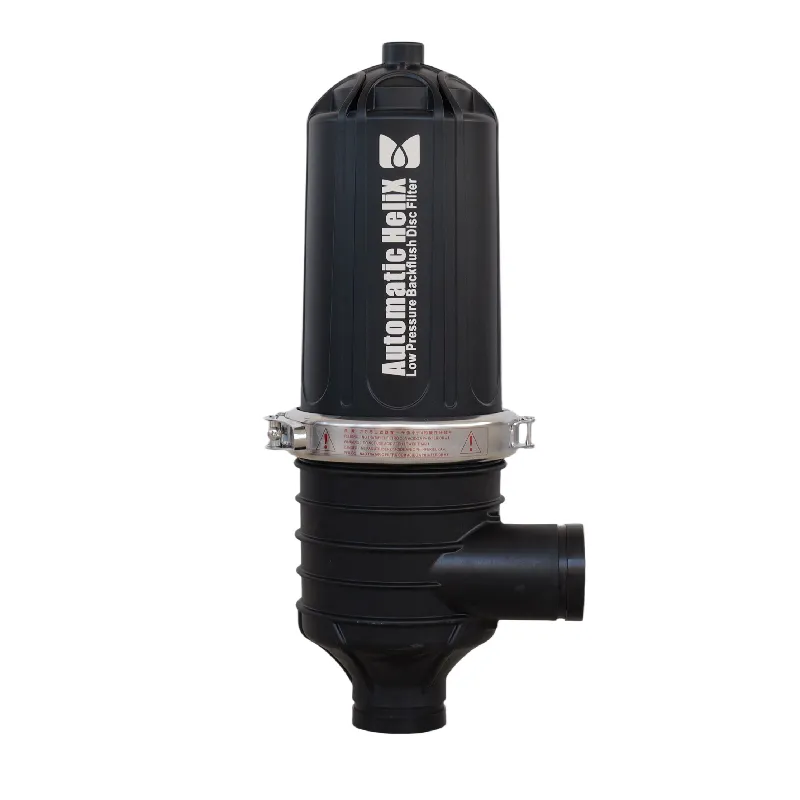
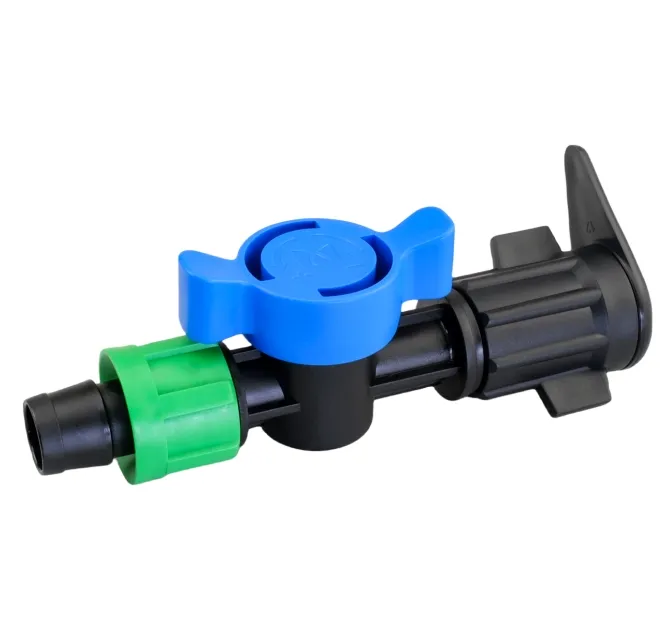
Crop watering systems represent the backbone of modern agricultural practices, delivering precise irrigation solutions that maximize yield potential while conserving precious water resources. These sophisticated systems encompass various technologies designed to deliver water directly to plant root zones with remarkable efficiency and control. At their core, crop watering solutions integrate advanced sensors, automated controls, and strategic water distribution networks that work harmoniously to maintain optimal soil moisture levels throughout growing seasons. The main functions of crop watering systems center on delivering measured water quantities at predetermined intervals, monitoring soil conditions continuously, and adjusting irrigation schedules based on real-time environmental data. Modern crop watering technologies feature smart controllers that analyze weather patterns, soil moisture readings, and plant growth stages to optimize water application timing and volume. These systems incorporate drip irrigation components, sprinkler networks, micro-spray mechanisms, and subsurface irrigation technologies that can be customized for specific crop requirements and field conditions. Technological features include programmable timers, moisture sensors, pressure regulators, filtration systems, and wireless connectivity options that enable remote monitoring and control capabilities. Applications span across diverse agricultural sectors including row crops, orchards, vineyards, greenhouses, nurseries, and specialty crop production facilities. Commercial farmers utilize crop watering systems for large-scale operations covering hundreds of acres, while smaller agricultural enterprises implement these solutions for targeted irrigation of high-value crops. The versatility of crop watering technology allows adaptation to various terrain types, from flat farmland to sloped hillsides, and accommodates different water sources including wells, reservoirs, and municipal supplies. Integration with existing farm management systems enables comprehensive data collection and analysis, supporting informed decision-making processes that enhance overall agricultural productivity and resource management efficiency.


Popular Products

Crop watering systems deliver substantial water conservation benefits that directly impact operational costs and environmental sustainability. These systems reduce water waste by up to sixty percent compared to traditional flood irrigation methods, translating into significant savings on water bills and pumping costs. Farmers experience improved crop yields through consistent moisture delivery that eliminates stress periods and supports optimal plant development throughout growing cycles. The precision control offered by modern crop watering technology ensures each plant receives appropriate water volumes at the right time, preventing both drought stress and waterlogging conditions that can damage root systems. Labor requirements decrease dramatically as automated crop watering systems eliminate the need for manual irrigation monitoring and adjustment, freeing farm workers to focus on other critical agricultural tasks. Energy efficiency improvements result from targeted water application that reduces pumping requirements and eliminates the pressure needed for high-volume spray systems. Crop quality enhancement occurs when plants receive steady water supplies that promote uniform growth patterns and reduce fruit cracking, leaf burn, and other moisture-related defects that diminish market value. Disease prevention becomes more effective with crop watering systems that minimize leaf wetness and reduce humidity levels around plant canopies, creating less favorable conditions for fungal and bacterial infections. Soil health benefits include reduced erosion, improved nutrient retention, and prevention of soil compaction that often results from heavy machinery traffic during manual watering operations. Flexibility in scheduling allows farmers to irrigate during optimal times, such as early morning hours when evaporation rates are lowest and wind conditions are minimal. Integration capabilities with weather monitoring systems and soil sensors provide real-time data that enables responsive irrigation management based on actual field conditions rather than fixed schedules. Return on investment typically occurs within two to three growing seasons through reduced labor costs, improved yields, and lower water expenses, making crop watering systems financially attractive for agricultural operations of all sizes.

Tips And Tricks

Flexible Lay Flat Hose: Ultimate Guide for Farm Water Management

16

Jun

Flexible Lay Flat Hose: Ultimate Guide for Farm Water Management

Explore the benefits of lay flat hoses for farm water management, focusing on efficient water distribution, durability, cost-effectiveness, technical specifications, and integration with drip irrigation systems. Enhance your agricultural productivity with lay flat hoses.
View More
Quick-Install Drip Line Components Save Labor Costs

23

Jul

Quick-Install Drip Line Components Save Labor Costs

Explore labor cost challenges in traditional irrigation systems and discover how modern drip irrigation ensures efficiency with reduced installation time and minimal maintenance. Learn the key benefits for water conservation and scalable growth in agriculture.
View More
How Does Agricultural Irrigation Improve Crop Yields?

29

Aug

How Does Agricultural Irrigation Improve Crop Yields?

View More
What Is Drip Irrigation and How Does It Work?

29

Aug

What Is Drip Irrigation and How Does It Work?

View More

Get a Free Quote

Our representative will contact you soon.
Email
Name
Company Name
Message
0/1000

crop watering

Advanced Water Conservation Technology

Advanced Water Conservation Technology

Modern crop watering systems incorporate cutting-edge water conservation technology that revolutionizes how agricultural operations manage this vital resource. These systems utilize precision application methods that deliver water directly to plant root zones, eliminating the waste associated with traditional overhead sprinklers that lose significant volumes to evaporation and wind drift. Smart sensor networks continuously monitor soil moisture levels at multiple depths, providing real-time data that prevents both over-watering and under-watering conditions. The technology includes pressure-compensating emitters that maintain consistent flow rates regardless of terrain variations or system pressure fluctuations, ensuring uniform water distribution across entire field areas. Water filtration components remove sediments and particles that could clog distribution lines, maintaining system efficiency and reducing maintenance requirements. Advanced crop watering systems feature programmable controllers that integrate weather data, historical irrigation patterns, and crop-specific water requirements to create optimized watering schedules that adapt to changing environmental conditions. These intelligent systems can automatically delay irrigation cycles during rainfall events and resume normal operations when soil moisture levels require supplementation. The conservation benefits extend beyond water savings to include reduced energy consumption from pumping operations, as targeted irrigation requires lower volumes and pressure compared to broadcast application methods. Environmental impact reduction becomes significant when crop watering systems prevent nutrient runoff and soil erosion that commonly occurs with excessive irrigation practices. Many systems incorporate recycling capabilities that capture and reuse drainage water, further maximizing resource efficiency. The technology supports sustainable agriculture practices by enabling farmers to maintain productive crop yields while meeting increasingly strict water use regulations. Installation flexibility allows integration with existing infrastructure while accommodating future expansion needs, making these conservation-focused crop watering solutions adaptable to evolving farm requirements and regulatory standards.
Automated Precision Control Systems

Automated Precision Control Systems

Automated precision control represents the pinnacle of crop watering technology advancement, offering farmers unprecedented accuracy in irrigation management without requiring constant manual oversight. These sophisticated systems combine multiple sensor technologies, including soil moisture probes, weather stations, and plant stress indicators, to create comprehensive monitoring networks that track field conditions continuously. The automation capabilities extend beyond simple timer-based operations to include intelligent decision-making algorithms that analyze multiple data streams simultaneously and adjust watering parameters accordingly. Precision control systems feature zone-based management that allows different field areas to receive customized irrigation treatments based on soil types, crop varieties, and microclimatic conditions within the same property. Advanced controllers integrate with smartphone applications and computer interfaces, enabling remote monitoring and adjustment capabilities that keep farmers connected to their crop watering operations regardless of physical location. The system learns from historical irrigation patterns and crop responses, continuously refining watering schedules to optimize efficiency and plant health outcomes. Emergency override functions provide manual control options when weather conditions or equipment issues require immediate intervention, ensuring crop protection during critical growth periods. Precision application reduces fertilizer and chemical runoff by maintaining optimal soil moisture levels that promote proper nutrient uptake and minimize leaching. Integration with farm management software creates comprehensive records of irrigation activities, water usage, and crop performance data that support regulatory compliance and operational analysis. The automated systems include diagnostic capabilities that detect system malfunctions, clogged emitters, or pressure variations before they impact crop health, reducing maintenance costs and preventing yield losses. Scalability features allow expansion from small garden applications to large commercial operations without requiring complete system replacement. These precision control technologies transform crop watering from a labor-intensive manual process into an efficient automated operation that consistently delivers optimal growing conditions while maximizing resource utilization efficiency.
Enhanced Crop Yield and Quality Outcomes

Enhanced Crop Yield and Quality Outcomes

Enhanced crop yield and quality outcomes represent the most compelling benefits that modern crop watering systems deliver to agricultural operations seeking competitive advantages in demanding markets. These systems create optimal growing conditions that support maximum plant potential through consistent moisture availability that eliminates stress periods responsible for reduced productivity and quality defects. Research demonstrates that properly managed crop watering systems can increase yields by twenty to forty percent compared to traditional irrigation methods, depending on crop type and growing conditions. The steady water supply prevents flowering interruption and fruit development issues that commonly occur when plants experience drought stress during critical growth stages. Quality improvements include more uniform fruit sizing, better color development, enhanced sugar content in fruits and vegetables, and reduced incidence of physiological disorders such as blossom end rot and fruit cracking. Crop watering systems maintain consistent soil moisture levels that promote steady nutrient uptake, ensuring plants receive essential minerals throughout the growing season rather than experiencing feast-or-famine cycles that compromise plant health. The controlled irrigation environment reduces plant stress responses that can trigger premature flowering or fruit drop, extending productive harvest periods and improving overall crop timing for market demands. Premium market access becomes possible when crop watering systems produce consistently high-quality products that meet stringent buyer specifications for appearance, size, and taste characteristics. Extended shelf life results from optimal hydration during crop development, creating produce with better post-harvest storage characteristics and reduced spoilage rates. Specialty crop production benefits significantly from precise crop watering control that allows farmers to manipulate water stress strategically to enhance flavor concentration or trigger specific plant responses valued in premium markets. Disease resistance improves when plants maintain optimal hydration levels that support strong immune system function and reduce susceptibility to stress-related infections. The consistent production quality enabled by advanced crop watering systems builds customer loyalty and supports premium pricing strategies that improve farm profitability beyond simple yield increases, creating sustainable competitive advantages in agricultural markets.

Get a Free Quote

Our representative will contact you soon.
Email
Name
Company Name
Message
0/1000