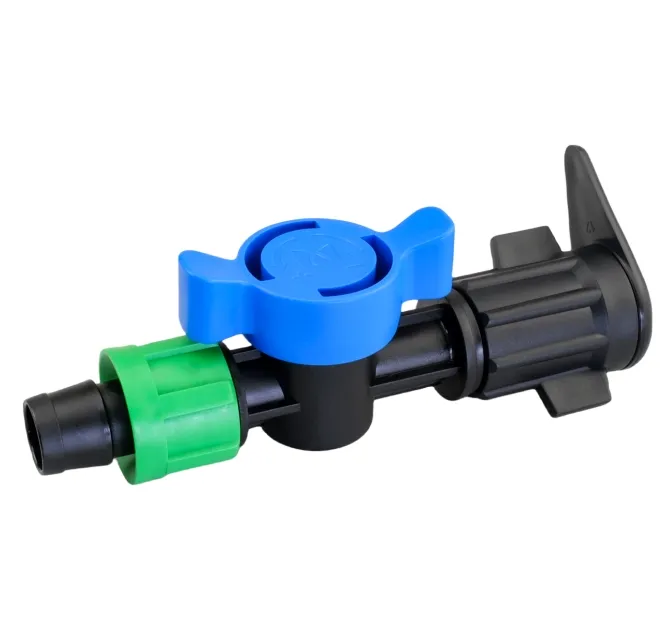
Advanced Crop Irrigation Systems - Smart Water Management Technology for Modern Agriculture

All Categories

Get a Free Quote

Our representative will contact you soon.
Email
Name
Whats App
Message
0/1000

crop irrigation

Crop irrigation represents a fundamental agricultural technology that delivers controlled water supply to cultivated plants, ensuring optimal growth conditions and maximizing agricultural productivity. This sophisticated system encompasses various methodologies designed to supplement natural rainfall and provide consistent moisture levels throughout different growing seasons. Modern crop irrigation systems integrate advanced technologies including automated sensors, programmable timers, and precision water distribution networks that monitor soil moisture content and environmental conditions in real-time. The primary function of crop irrigation involves delivering precise water quantities directly to plant root zones, eliminating water waste while maintaining ideal growing conditions. These systems feature multiple delivery mechanisms such as drip irrigation, sprinkler systems, surface flooding, and subsurface distribution networks, each tailored to specific crop requirements and geographical conditions. Technological features include smart controllers that adjust watering schedules based on weather forecasts, soil moisture sensors that prevent over-watering, and variable-rate application systems that customize water delivery according to field zones with different requirements. Applications span across diverse agricultural sectors including commercial farming operations, greenhouse cultivation, landscape maintenance, residential gardening, and specialty crop production. Large-scale agricultural enterprises utilize sophisticated crop irrigation networks covering thousands of acres, while smaller operations benefit from compact, efficient systems designed for limited spaces. The technology adapts to various terrain types, from flat agricultural fields to sloped landscapes, incorporating gravity-fed systems and pressurized networks as needed. Integration with existing farm management systems allows farmers to coordinate irrigation schedules with planting, fertilization, and harvesting activities, creating comprehensive agricultural management solutions that optimize resource utilization and enhance overall farm productivity through systematic water management approaches.


New Product Releases

Crop irrigation delivers substantial water conservation benefits by reducing consumption rates up to sixty percent compared to traditional watering methods through precise application techniques that eliminate runoff and evaporation losses. Farmers experience significant cost savings through reduced water bills, lower labor requirements, and decreased fertilizer waste, as nutrients remain concentrated in root zones rather than washing away through inefficient watering practices. The technology dramatically increases crop yields by maintaining consistent soil moisture levels, preventing plant stress during dry periods, and extending growing seasons beyond natural rainfall limitations. Enhanced crop quality results from uniform water distribution that promotes even plant development, reduces disease susceptibility, and improves harvest consistency across entire fields. Time efficiency improvements allow farmers to focus on other critical farm operations while automated systems handle irrigation scheduling, monitoring, and adjustments without constant human supervision. Soil health benefits include reduced erosion, improved nutrient retention, and prevention of waterlogging that can damage root systems and compromise plant health. Environmental advantages encompass reduced groundwater depletion, minimized agricultural runoff that can contaminate water sources, and decreased pressure on local water supplies during drought conditions. Flexibility in scheduling enables farmers to irrigate during optimal periods such as early morning or evening hours when evaporation rates remain minimal, maximizing water absorption efficiency. Weather adaptability allows systems to respond automatically to changing conditions, reducing irrigation during rainy periods and increasing water delivery during hot, dry spells. Investment returns typically materialize within two to three growing seasons through increased productivity, reduced operational costs, and improved crop marketability. Risk mitigation capabilities protect against crop loss during unexpected weather patterns, providing insurance against revenue losses that could devastate farming operations. Scalability features allow farmers to expand irrigation coverage gradually as operations grow, accommodating changing agricultural needs without requiring complete system overhauls that would strain financial resources and disrupt ongoing production cycles.

Latest News

Maximize Crop Yield with Precision Drip Line Configurations

16

Jun

Maximize Crop Yield with Precision Drip Line Configurations

Explore the fundamentals of precision drip irrigation, comparing core components like drip tape and drip lines, and learn about water conservation, system management, and ROI in agriculture. Ideal for enhancing sustainable farming practices.
View More
 Comparing Traditional vs. Modern Drip Irrigation Tape Systems

23

Jul

Comparing Traditional vs. Modern Drip Irrigation Tape Systems

Discover the key differences between traditional and modern drip irrigation systems, highlighting water efficiency, technological advancements, and cost-effectiveness. Learn how modern systems improve water conservation, crop yield, and sustainability in agriculture.
View More
What Is Drip Irrigation and How Does It Work?

29

Aug

What Is Drip Irrigation and How Does It Work?

View More
What Is Drip Tape and How Does It Support Irrigation

05

Sep

What Is Drip Tape and How Does It Support Irrigation

Discover how drip tape irrigation boosts water efficiency by up to 95%, improves crop yields, and reduces costs. Learn about installation, benefits, and smart integration. Explore solutions now.
View More

Get a Free Quote

Our representative will contact you soon.
Email
Name
Company Name
Message
0/1000

crop irrigation

Smart Water Management Technology

Smart Water Management Technology

Advanced crop irrigation systems incorporate cutting-edge smart water management technology that revolutionizes traditional farming practices through intelligent automation and precision control mechanisms. These sophisticated systems utilize wireless sensor networks distributed throughout fields to continuously monitor soil moisture levels, ambient temperature, humidity, and other environmental factors that influence plant water requirements. The integrated control systems process this real-time data using advanced algorithms that calculate optimal watering schedules, duration, and intensity based on specific crop needs, growth stages, and prevailing weather conditions. Smart controllers connect seamlessly with weather stations and forecasting services, automatically adjusting irrigation programs when rain is predicted, preventing unnecessary water application and reducing operational costs. Mobile applications enable farmers to monitor and control their crop irrigation systems remotely, providing unprecedented flexibility to manage multiple fields simultaneously from any location with internet connectivity. The technology includes programmable zones that accommodate different crop types within single operations, delivering customized water applications that meet varying plant requirements across diverse agricultural settings. Leak detection capabilities identify system malfunctions immediately, preventing water waste and potential crop damage through instant notifications sent directly to farm managers. Data logging features maintain comprehensive irrigation records that support regulatory compliance, water usage reporting, and agricultural planning decisions based on historical performance analysis. Integration with existing farm management software creates unified operational platforms that coordinate irrigation activities with planting schedules, fertilization programs, and harvest planning, maximizing overall agricultural efficiency. The smart technology reduces human error by eliminating guesswork from irrigation decisions, ensuring consistent results that improve crop quality and yield predictability across growing seasons while minimizing resource waste through precise application techniques.
Precision Water Distribution Network

Precision Water Distribution Network

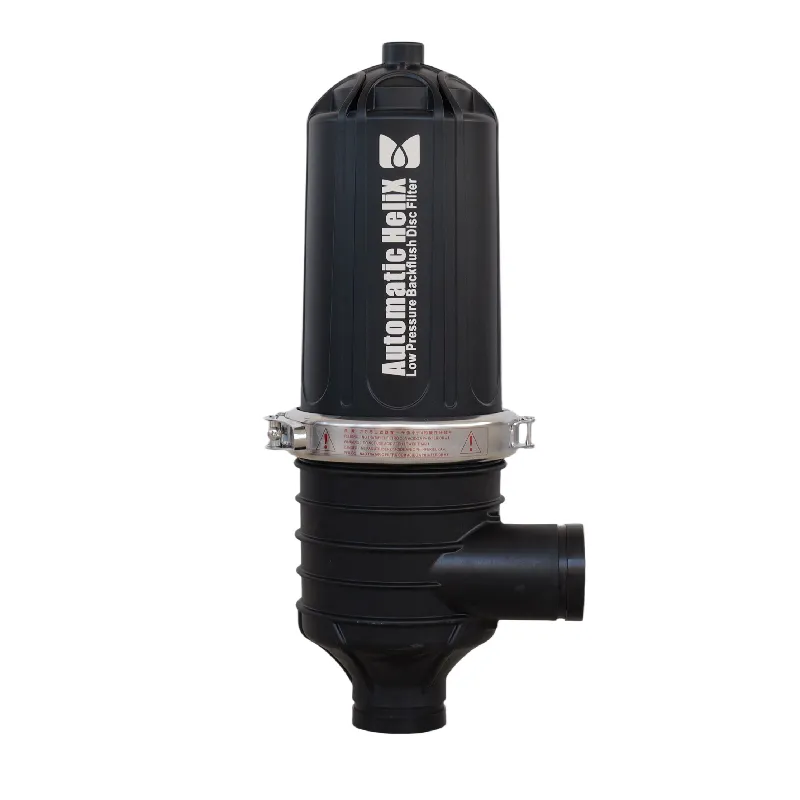
Modern crop irrigation systems feature sophisticated precision water distribution networks designed to deliver exact water quantities to specific plant locations with remarkable accuracy and efficiency. These networks incorporate multiple distribution methods including drip emitters, micro-sprinklers, and subsurface irrigation lines that target root zones directly, minimizing water loss through evaporation and surface runoff. The precision distribution technology utilizes pressure-compensating emitters that maintain consistent flow rates regardless of elevation changes or system pressure variations, ensuring uniform water application across entire fields. Filtration systems remove sediments and particles that could clog emitters, maintaining optimal performance throughout growing seasons while reducing maintenance requirements and system downtime. Variable-rate application capabilities allow farmers to customize water delivery based on soil types, crop varieties, and specific field conditions, accommodating diverse agricultural environments within single operations. The distribution network design incorporates multiple irrigation zones controlled independently, enabling farmers to irrigate different crop areas according to their unique requirements without affecting other sections. Underground installation options protect distribution lines from weather damage, machinery interference, and vandalism while maintaining aesthetic appeal in visible agricultural areas. Pressure regulation systems maintain optimal operating conditions throughout the network, preventing damage to sensitive components while ensuring consistent water delivery performance. The precision technology reduces labor requirements by automating water distribution processes that previously required manual intervention, allowing farm workers to focus on other critical agricultural activities. Water quality monitoring capabilities track distribution system performance, identifying potential issues before they impact crop health or system efficiency. Modular design features enable easy expansion and modification of distribution networks as agricultural operations grow or change crop selections, providing long-term flexibility that protects initial investments while accommodating evolving farming needs and emerging agricultural technologies.
Sustainable Agricultural Resource Management

Sustainable Agricultural Resource Management

Crop irrigation systems promote sustainable agricultural resource management through comprehensive approaches that balance productivity goals with environmental stewardship and long-term resource conservation. These systems significantly reduce water consumption compared to traditional irrigation methods by eliminating waste through precise application techniques, recycling capabilities, and intelligent scheduling that responds to actual plant needs rather than predetermined watering cycles. Soil conservation benefits include reduced erosion caused by excessive surface water flow, improved soil structure through controlled moisture levels, and enhanced nutrient retention that supports long-term agricultural productivity. The sustainable approach incorporates water recycling systems that capture and reuse runoff, drainage water, and treated wastewater, reducing dependency on fresh water sources while maintaining crop health and productivity standards. Energy efficiency features include gravity-fed systems that minimize pumping requirements, solar-powered controllers that reduce electricity consumption, and optimized pressure systems that decrease overall energy demands. Integrated pest management benefits result from controlled irrigation practices that reduce humidity levels around plants, minimizing disease pressure and decreasing pesticide requirements that can impact environmental health. Carbon footprint reduction occurs through decreased equipment operation, reduced transportation of water resources, and improved soil carbon sequestration promoted by healthy irrigation practices. Biodiversity preservation results from reduced pressure on natural water sources, maintained habitat conditions around agricultural areas, and decreased agricultural runoff that can affect aquatic ecosystems. Economic sustainability emerges through reduced operational costs, improved crop reliability, and enhanced land value associated with efficient irrigation infrastructure. The sustainable management approach supports compliance with environmental regulations, water usage restrictions, and conservation mandates while maintaining agricultural profitability. Community benefits include reduced strain on municipal water supplies, decreased competition for water resources during drought conditions, and improved local food security through reliable crop production that supports sustainable agricultural practices for future generations.

Get a Free Quote

Our representative will contact you soon.
Email
Name
Company Name
Message
0/1000