automated irrigation system for farmers
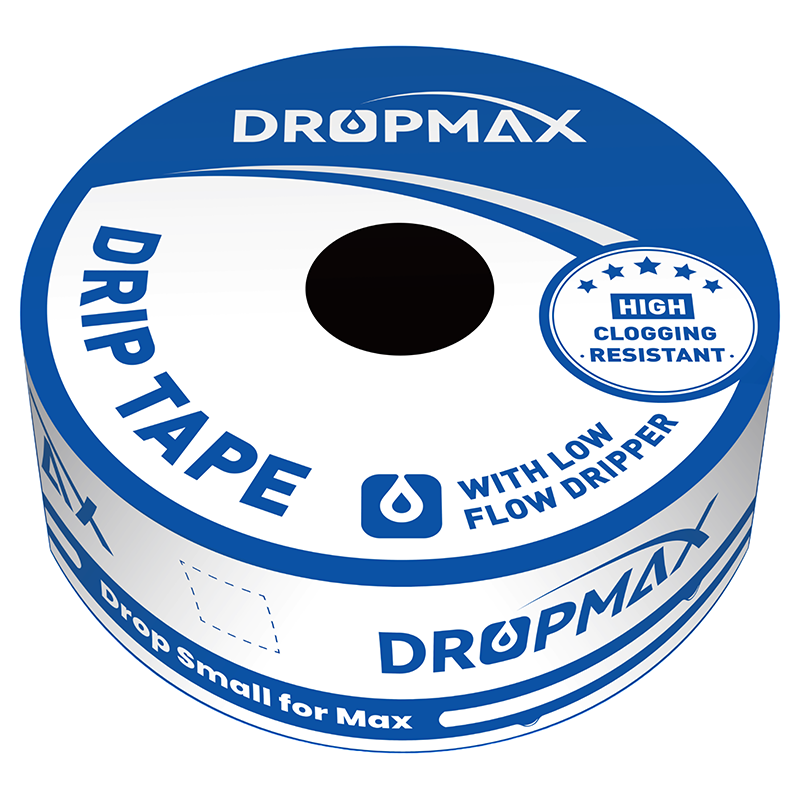

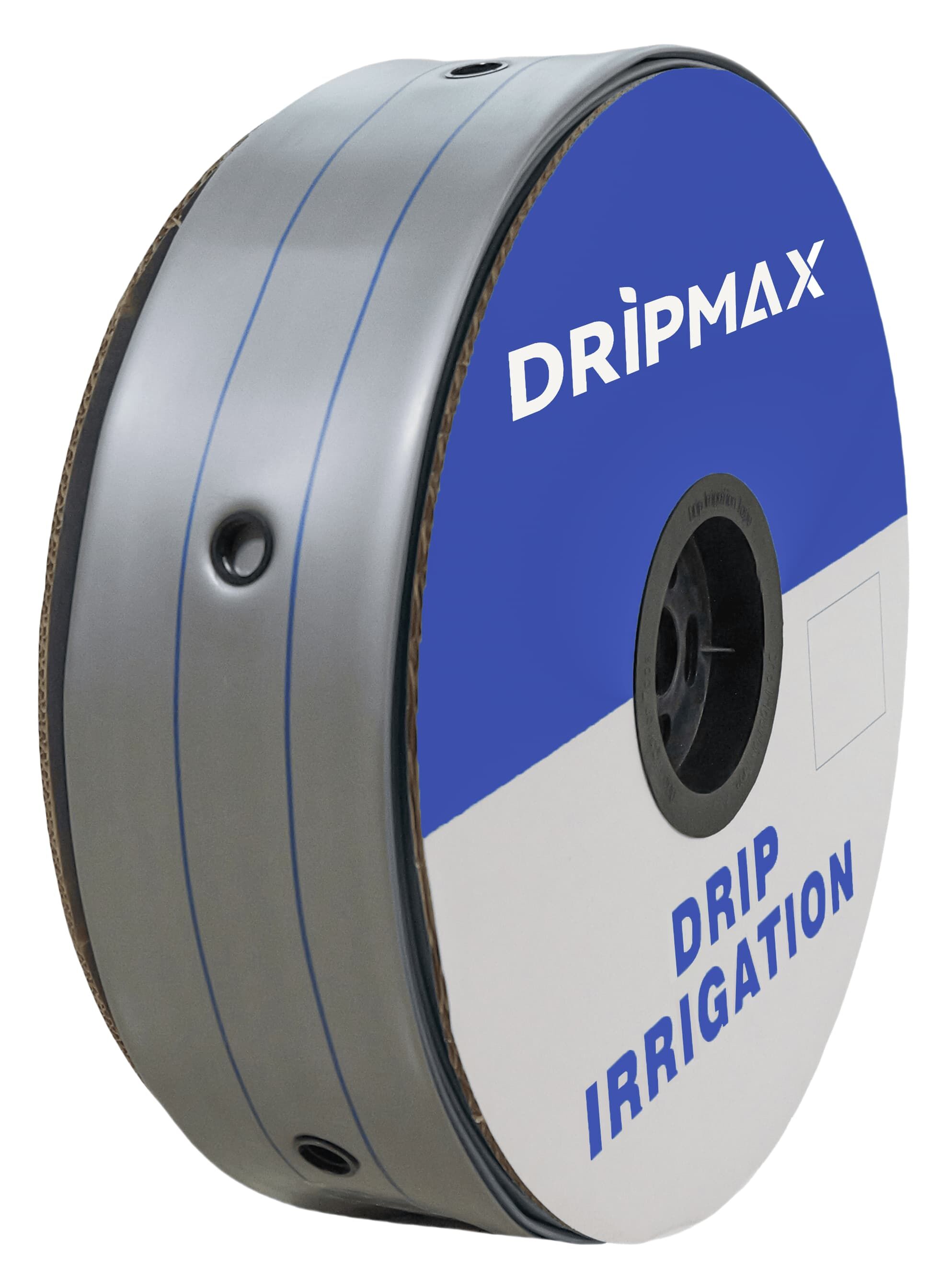
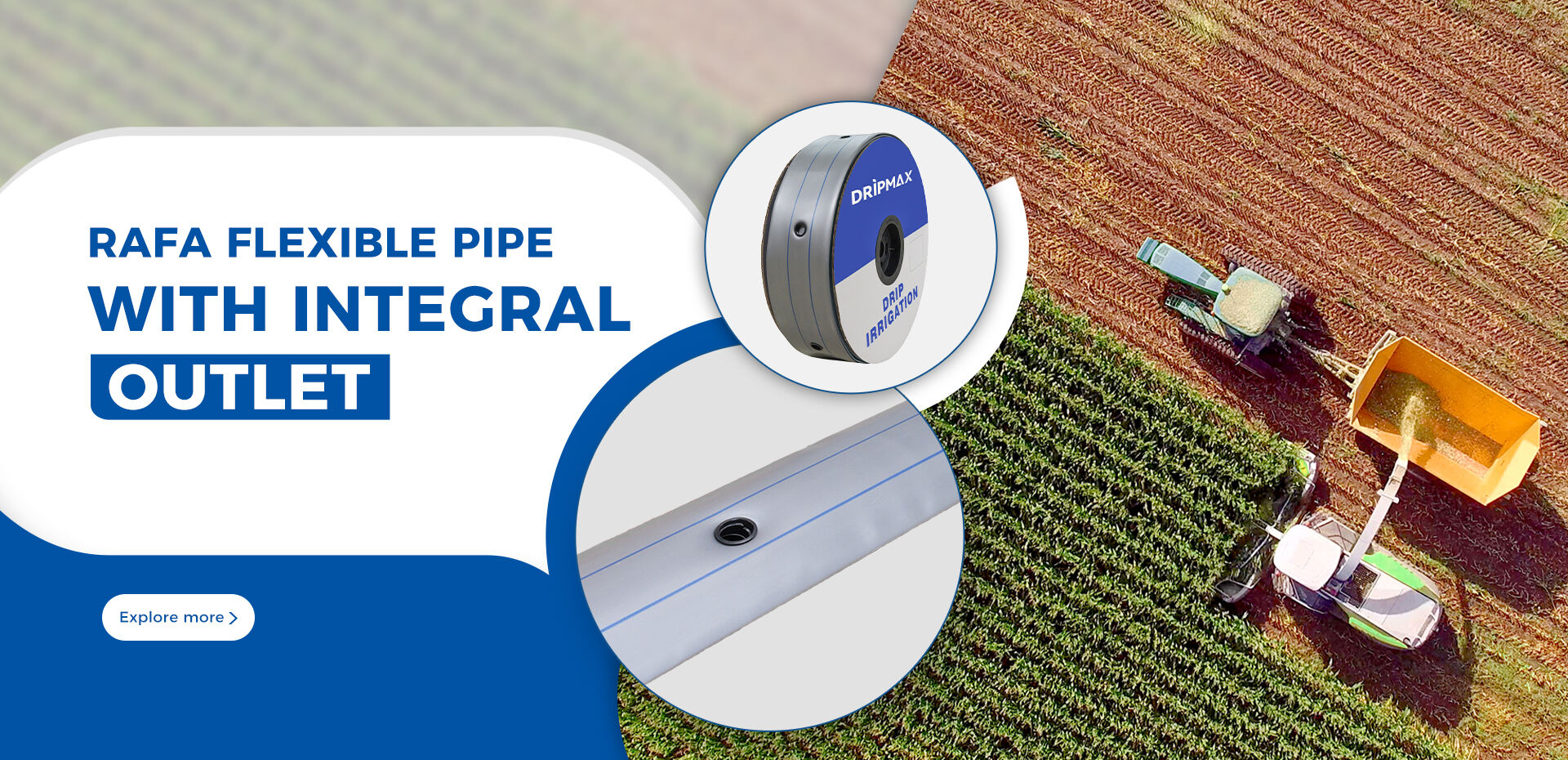
An automated irrigation system for farmers represents a revolutionary advancement in agricultural technology that transforms traditional water management practices into precise, efficient, and data-driven operations. This sophisticated system combines sensors, controllers, valves, and software to deliver water exactly when and where crops need it, without requiring constant manual intervention from farmers. The core functionality centers around real-time monitoring of soil moisture levels, weather conditions, and plant water requirements, enabling the system to make intelligent decisions about irrigation timing and duration. Modern automated irrigation systems for farmers integrate multiple sensors throughout the field, including soil moisture sensors, temperature monitors, humidity gauges, and rain detectors that continuously collect environmental data. This information feeds into a central control unit that processes the data using advanced algorithms and predetermined parameters set by the farmer. The system automatically activates sprinklers, drip emitters, or other irrigation devices when soil moisture drops below optimal levels, ensuring crops receive consistent hydration without waste. Smart scheduling features allow farmers to program irrigation cycles based on crop types, growth stages, and seasonal requirements. Many systems include remote monitoring capabilities through mobile applications, enabling farmers to oversee their irrigation operations from anywhere with internet connectivity. Weather integration features automatically adjust watering schedules based on forecasted precipitation, preventing unnecessary irrigation during rainy periods. The technology supports various irrigation methods, including drip irrigation, sprinkler systems, and micro-irrigation setups, making it adaptable to different farm sizes and crop varieties. Advanced systems incorporate fertigation capabilities, allowing controlled delivery of nutrients through the irrigation network. Zone-based control enables different areas of the farm to receive customized watering schedules based on specific crop needs, soil conditions, and microclimates. Data logging and reporting functions provide valuable insights into water usage patterns, helping farmers optimize their irrigation strategies over time.

 EN
EN