Complete Guide to Drip Irrigation Farming: Water-Efficient Agricultural Solutions for Maximum Crop Yields

All Categories

Get a Free Quote

Our representative will contact you soon.
Email
Name
Whats App
Message
0/1000

drip irrigation farming

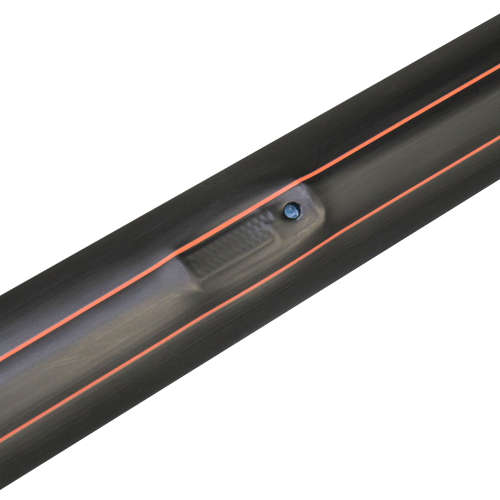
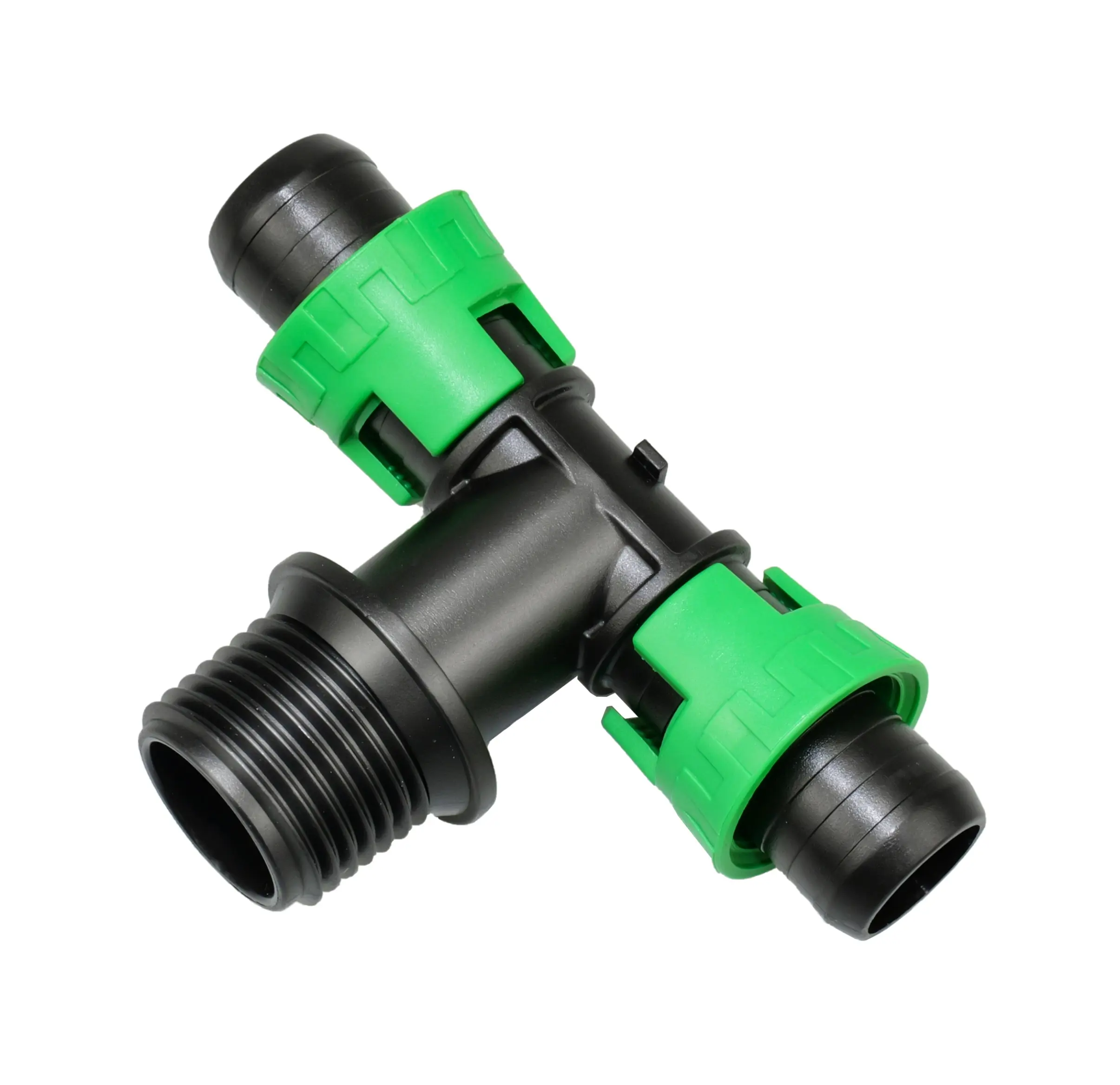
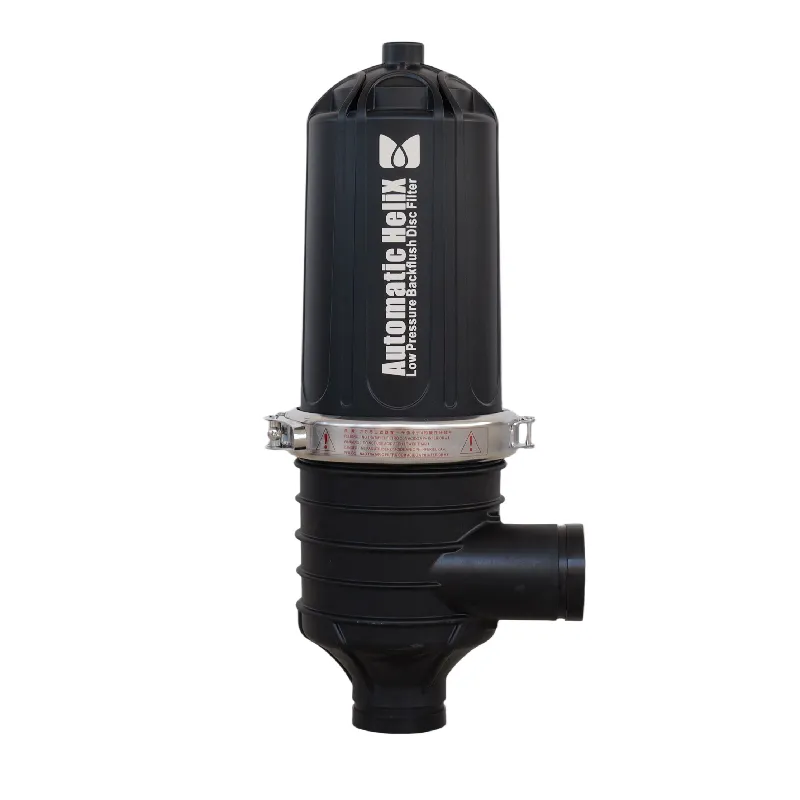
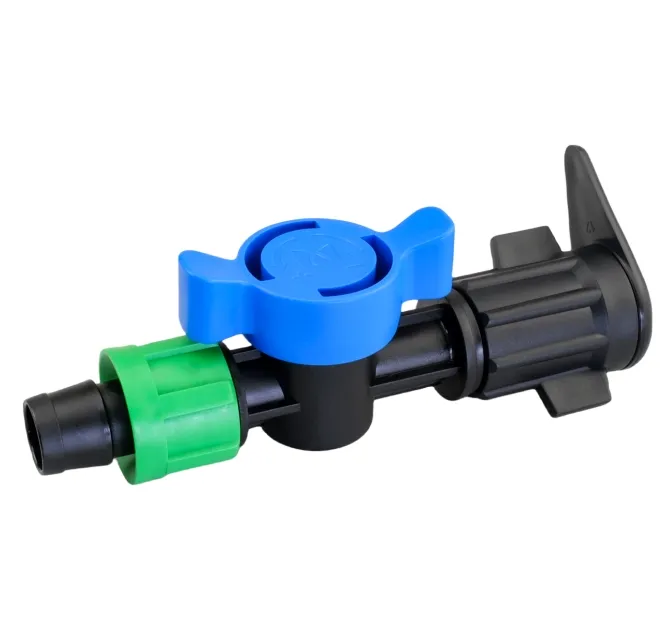
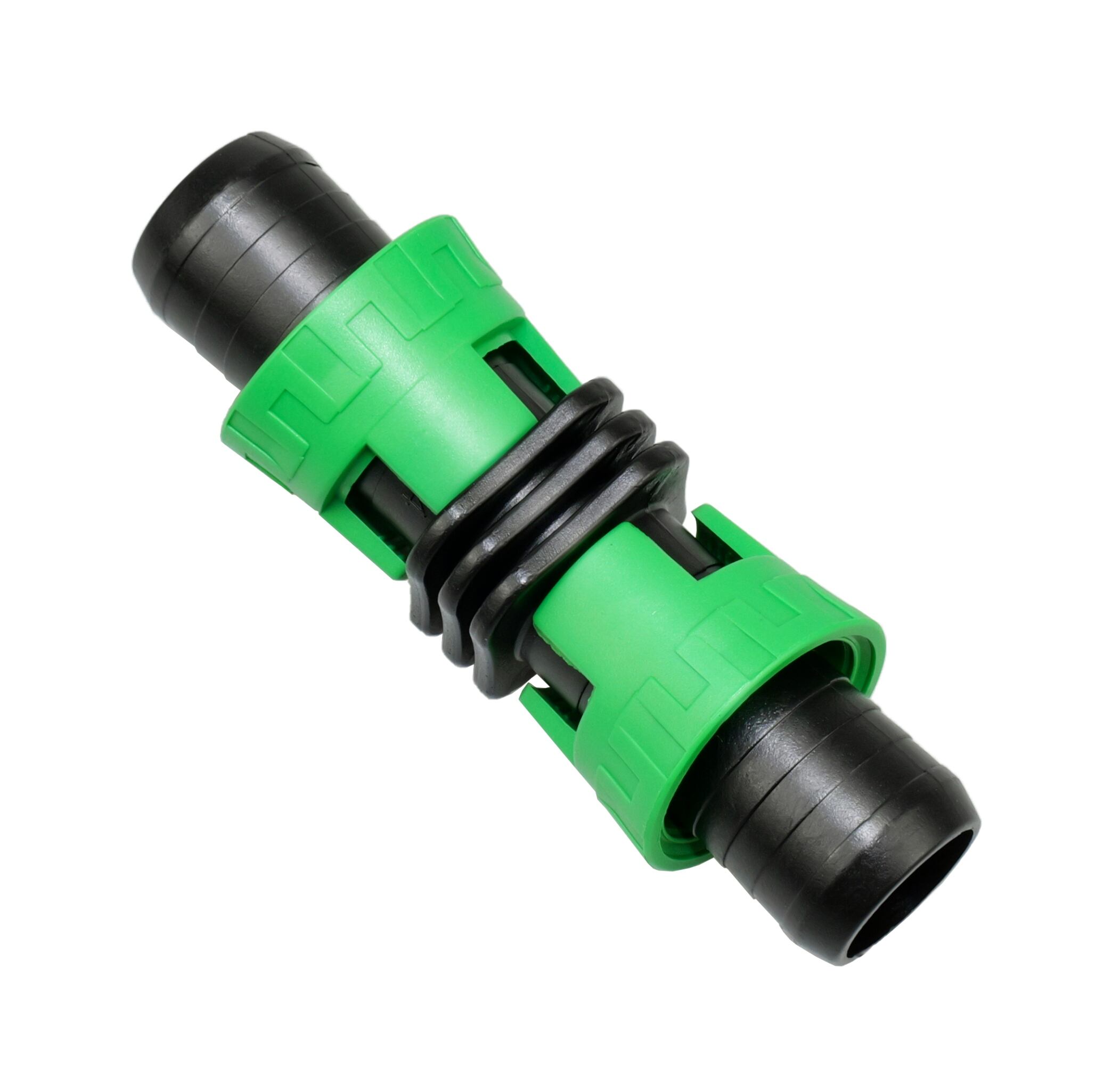
Drip irrigation farming represents a revolutionary approach to agricultural water management that delivers water directly to plant root zones through a network of tubes, pipes, and emitters. This precision irrigation method transforms traditional farming by providing controlled water distribution that maximizes crop yields while minimizing water waste. The system operates through a sophisticated network of components including main supply lines, distribution tubes, pressure regulators, filters, and specialized drip emitters that release water at predetermined rates. Modern drip irrigation farming systems incorporate advanced technological features such as automated timers, soil moisture sensors, and computerized control systems that monitor and adjust water delivery based on real-time environmental conditions. The main functions of drip irrigation farming extend beyond simple water delivery to include precise nutrient distribution through fertigation capabilities, where liquid fertilizers are mixed directly into the irrigation water for targeted plant nutrition. This method ensures uniform water distribution across entire crop fields while maintaining optimal soil moisture levels that promote healthy root development and enhanced plant growth. The technological sophistication of contemporary drip irrigation farming systems includes pressure-compensating emitters that maintain consistent water flow regardless of elevation changes or system pressure variations. Smart irrigation controllers integrated into modern drip irrigation farming setups can automatically adjust watering schedules based on weather forecasts, soil conditions, and plant growth stages. Applications of drip irrigation farming span diverse agricultural sectors including vegetable production, fruit orchards, vineyard management, greenhouse operations, and landscape irrigation for commercial properties. The versatility of drip irrigation farming makes it particularly valuable for regions with water scarcity challenges, steep terrain, or irregular field shapes where traditional sprinkler systems prove ineffective. This innovative irrigation approach supports sustainable agricultural practices by reducing water consumption, preventing soil erosion, and minimizing chemical runoff into surrounding water sources.
New Product Releases

Drip irrigation farming delivers exceptional water conservation benefits that directly impact your operational costs and environmental footprint. You can reduce water usage by up to 50 percent compared to traditional sprinkler systems because water reaches plant roots directly without evaporation losses or runoff waste. This targeted water delivery ensures every drop serves a purpose, making drip irrigation farming ideal for areas facing water restrictions or high water costs. Your crops receive consistent moisture levels that promote healthier growth patterns and increased yields. The precise water control offered by drip irrigation farming eliminates the stress plants experience from irregular watering cycles, resulting in stronger root systems and more robust plant development. You gain the ability to maintain optimal soil moisture throughout the growing season, which prevents both drought stress and waterlogged conditions that can damage crops. Labor costs decrease significantly with drip irrigation farming because automated systems reduce the need for manual watering and constant monitoring. You can program irrigation schedules to operate during optimal times, even when you are not present on the farm. This automation frees up valuable time for other essential farming activities while ensuring crops receive proper care. Weed growth becomes much more manageable with drip irrigation farming since water reaches only the desired plant areas, leaving spaces between rows dry and less conducive to weed germination. This targeted approach reduces your need for herbicides and manual weeding efforts. Energy efficiency improves substantially because drip irrigation farming systems operate at lower pressures than sprinkler systems, reducing pump energy requirements and associated electricity costs. You benefit from reduced fertilizer expenses through fertigation capabilities that deliver nutrients directly to root zones, minimizing waste and maximizing nutrient uptake efficiency. Crop quality improves dramatically as consistent moisture prevents common issues like fruit cracking, uneven ripening, and stress-related plant diseases. Your harvest timing becomes more predictable, and post-harvest quality remains higher due to optimal growing conditions maintained throughout the season. Soil erosion prevention protects your valuable topsoil investment while reducing sedimentation in nearby water sources.

Practical Tips

Introducing the RAFA Flexible Pipe: A New Standard in Efficient Irrigation

12

Dec

Introducing the RAFA Flexible Pipe: A New Standard in Efficient Irrigation

View More
Low-Flow Drip Irrigation: A Game-Changer for Efficient Water Use in Modern Agriculture

12

Dec

Low-Flow Drip Irrigation: A Game-Changer for Efficient Water Use in Modern Agriculture

View More
Maximize Crop Yield with Precision Drip Line Configurations

16

Jun

Maximize Crop Yield with Precision Drip Line Configurations

Explore the fundamentals of precision drip irrigation, comparing core components like drip tape and drip lines, and learn about water conservation, system management, and ROI in agriculture. Ideal for enhancing sustainable farming practices.
View More
Reinforced Drip Tape for Sloped Terrain Farming Applications

23

Jul

Reinforced Drip Tape for Sloped Terrain Farming Applications

Explore the challenges of slope irrigation with drip tape, focusing on gravity's impact, runoff risks, pressure management, and effective solutions like pressure-compensating emitters. Perfect resource for improving agricultural efficiency on sloped terrain.
View More

Get a Free Quote

Our representative will contact you soon.
Email
Name
Company Name
Message
0/1000

drip irrigation farming

Revolutionary Water Conservation Technology

Revolutionary Water Conservation Technology

Drip irrigation farming stands as the most water-efficient irrigation method available to modern agriculture, delivering unparalleled conservation benefits that transform both environmental sustainability and economic profitability. This advanced technology achieves water savings of 30 to 50 percent compared to conventional irrigation methods by delivering water directly to plant root zones through precision-engineered emitters that eliminate evaporation and runoff losses. The sophisticated design of drip irrigation farming systems ensures that every gallon of water serves a specific purpose, making this technology essential for regions experiencing water scarcity or farmers facing rising water costs. The conservation benefits extend beyond simple water savings to include enhanced soil structure preservation and reduced nutrient leaching that occurs with flood or sprinkler irrigation methods. When you implement drip irrigation farming, you gain precise control over water application rates that can be adjusted based on specific crop requirements, soil conditions, and weather patterns. This level of control prevents both under-watering and over-watering scenarios that commonly plague traditional irrigation approaches. The technology incorporates pressure-compensating emitters that maintain consistent water flow rates regardless of elevation changes or distance from water sources, ensuring uniform water distribution across entire field areas. Modern drip irrigation farming systems integrate smart sensors that monitor soil moisture levels in real-time, automatically triggering irrigation cycles only when plants actually need water. This responsive technology prevents water waste while maintaining optimal growing conditions that maximize crop yields and quality. The environmental benefits of drip irrigation farming include reduced groundwater depletion, decreased agricultural runoff that can contaminate water sources, and minimized soil erosion that preserves valuable topsoil resources. Farmers who adopt drip irrigation farming often discover that their water conservation efforts contribute to improved community water availability while reducing their operational costs through lower water bills and decreased pumping energy requirements.
Automated Precision Control Systems

Automated Precision Control Systems

The automated precision control capabilities of drip irrigation farming represent a quantum leap forward in agricultural technology, providing farmers with unprecedented accuracy in water and nutrient delivery that maximizes crop production efficiency. These sophisticated systems integrate computerized controllers, soil moisture sensors, weather monitoring stations, and programmable timers that work together to create fully automated irrigation schedules tailored to specific crop needs and environmental conditions. The precision control offered by modern drip irrigation farming eliminates guesswork from irrigation management while ensuring optimal growing conditions throughout entire crop cycles. Advanced drip irrigation farming systems feature multi-zone control capabilities that allow different crop areas to receive customized irrigation schedules based on their unique water requirements, growth stages, and soil characteristics. This zoning flexibility enables farmers to manage diverse crops within single operations while maintaining optimal conditions for each plant variety. The automation reduces labor costs significantly by eliminating the need for manual irrigation monitoring and adjustment, freeing farmers to focus on other critical agricultural activities. Smart controllers in drip irrigation farming systems can integrate with weather forecast data to automatically adjust irrigation schedules based on predicted rainfall, temperature changes, and humidity levels. This proactive approach prevents over-irrigation during rainy periods while ensuring adequate moisture during drought conditions. The precision fertigation capabilities of these systems allow farmers to deliver liquid fertilizers directly to plant root zones through the same network used for water delivery, ensuring optimal nutrient uptake while minimizing fertilizer waste and environmental impact. Real-time monitoring features provide instant feedback on system performance, water flow rates, and pressure levels, alerting farmers to potential issues before they impact crop health. The data collection capabilities of modern drip irrigation farming systems generate valuable insights into water usage patterns, crop response rates, and system efficiency metrics that help farmers optimize their operations over time. Remote monitoring capabilities allow farmers to manage their irrigation systems from anywhere using smartphone applications or computer interfaces, providing flexibility and peace of mind.
Enhanced Crop Yield and Quality Optimization

Enhanced Crop Yield and Quality Optimization

Drip irrigation farming delivers remarkable improvements in both crop yield and quality through consistent moisture management that creates ideal growing conditions throughout entire growing seasons. This technology enables plants to develop stronger root systems and maintain steady growth rates that result in higher productivity per acre and superior crop characteristics that command premium market prices. The controlled water delivery of drip irrigation farming prevents the stress cycles that plants experience with irregular watering, allowing crops to focus energy on growth and fruit development rather than survival adaptations. Research consistently demonstrates that drip irrigation farming increases yields by 20 to 50 percent compared to traditional irrigation methods while simultaneously improving crop quality indicators such as size uniformity, color development, sugar content, and shelf life. The precise moisture control prevents common quality issues including fruit cracking, uneven ripening, and stress-related deformities that reduce market value and consumer appeal. Farmers using drip irrigation farming report more predictable harvest timing and extended harvest windows that provide flexibility in marketing decisions and labor scheduling. The consistent soil moisture levels maintained by drip irrigation farming promote beneficial microbial activity in root zones while preventing anaerobic conditions that can lead to root diseases and nutrient deficiencies. This healthy soil environment enhances nutrient uptake efficiency and supports robust plant development that translates directly into higher yields and better crop quality. The fertigation capabilities of drip irrigation farming systems enable precise nutrient delivery that matches plant uptake patterns throughout different growth stages, optimizing fertilizer efficiency while preventing nutrient burn or deficiency symptoms. Temperature moderation provided by consistent soil moisture helps plants withstand environmental stresses and maintain productivity during challenging weather conditions. The reduced disease pressure associated with drip irrigation farming occurs because water never contacts plant foliage, eliminating the moist conditions that promote fungal and bacterial diseases common with overhead irrigation systems. This disease prevention reduces the need for chemical treatments while maintaining healthier crops that produce higher yields with superior quality characteristics. Market advantages gained through drip irrigation farming include longer storage life, improved appearance, enhanced nutritional content, and reduced post-harvest losses that increase profitability per unit of production.

Get a Free Quote

Our representative will contact you soon.
Email
Name
Company Name
Message
0/1000