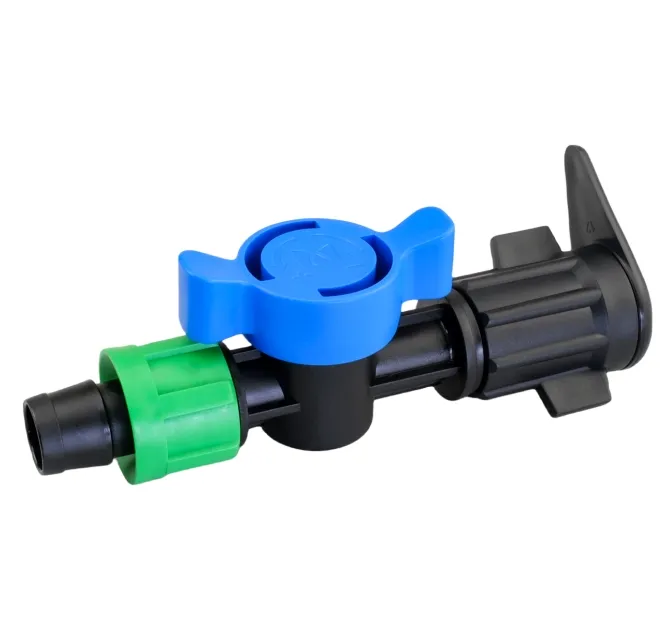
Advanced Drip Irrigation Technology: Revolutionary Water-Efficient Farming Solutions

All Categories

Get a Free Quote

Our representative will contact you soon.
Email
Name
Whats App
Message
0/1000

drip irrigation technology

Drip irrigation technology represents a revolutionary approach to modern agriculture and water management systems. This sophisticated method delivers water directly to plant root zones through a network of tubes, pipes, valves, and emitters, ensuring precise water distribution with minimal waste. The system operates on the principle of slow, steady water application that matches plant uptake rates, fundamentally transforming how farmers and gardeners approach crop irrigation. The main functions of drip irrigation technology encompass controlled water delivery, nutrient distribution, and soil moisture management. Unlike traditional flooding or sprinkler methods, this system provides targeted hydration that reaches specific plant locations while keeping surrounding areas dry. The technology excels in delivering fertilizers and nutrients dissolved in irrigation water, creating a fertigation system that combines watering and feeding processes. This dual functionality maximizes nutrient absorption while reducing chemical runoff and environmental impact. Technological features include pressure-compensating emitters that maintain consistent flow rates regardless of terrain variations, self-flushing mechanisms that prevent clogging, and filtration systems that ensure clean water delivery. Advanced drip irrigation technology incorporates smart sensors, automated timers, and weather-responsive controls that adjust watering schedules based on environmental conditions. These systems can integrate with smartphone applications, allowing remote monitoring and control capabilities. The applications span diverse sectors including commercial agriculture, residential gardening, greenhouse cultivation, landscape maintenance, and urban farming initiatives. Large-scale agricultural operations utilize drip irrigation technology for crops ranging from vegetables and fruits to field crops and vineyards. Residential applications include garden beds, container plants, and lawn areas where water conservation remains paramount. Greenhouse operations particularly benefit from the precise control and reduced humidity levels that drip systems provide. The technology proves invaluable in arid regions where water scarcity demands efficient utilization of limited resources.


Popular Products

Drip irrigation technology delivers exceptional water conservation benefits that directly impact both environmental sustainability and operational costs. This system reduces water consumption by 30-50 percent compared to conventional irrigation methods, translating to significant savings on utility bills and reduced strain on local water resources. The precise water delivery eliminates overspray, runoff, and evaporation losses that plague traditional sprinkler systems. Farmers and gardeners achieve better crop yields through consistent soil moisture levels that promote optimal plant growth conditions. The controlled water application prevents both drought stress and waterlogging, creating ideal growing environments that boost plant productivity and quality. Plants receive steady hydration that supports continuous nutrient uptake and photosynthesis processes. The technology excels in weed control since water delivery targets specific plant zones rather than broadcasting across entire areas. This selective watering starves weeds of moisture while nourishing desired plants, reducing herbicide requirements and manual weeding labor. Soil erosion prevention represents another crucial advantage, as gentle water application maintains soil structure and prevents nutrient loss through runoff. Disease prevention benefits emerge from keeping plant foliage dry, reducing fungal infections and bacterial diseases that thrive in moist leaf conditions. This leads to decreased pesticide usage and healthier crop production. Labor cost reductions occur through automated operation capabilities that eliminate manual watering tasks. Workers can focus on other essential activities while the system handles irrigation schedules automatically. The technology adapts to various soil types and terrain conditions, making it suitable for slopes, clay soils, sandy conditions, and irregularly shaped growing areas. Energy efficiency improvements result from lower water pressure requirements compared to sprinkler systems, reducing pump energy consumption and operational expenses. Fertilizer efficiency increases through fertigation capabilities that deliver nutrients directly to root zones, minimizing waste and maximizing plant uptake. The system provides consistent performance regardless of wind conditions, unlike spray irrigation that suffers from drift and uneven distribution during breezy weather. Installation flexibility allows customization for different plant spacings, row configurations, and crop types, making the technology adaptable to diverse agricultural and horticultural applications.

Practical Tips

Flexible Lay Flat Hose: Ultimate Guide for Farm Water Management

16

Jun

Flexible Lay Flat Hose: Ultimate Guide for Farm Water Management

Explore the benefits of lay flat hoses for farm water management, focusing on efficient water distribution, durability, cost-effectiveness, technical specifications, and integration with drip irrigation systems. Enhance your agricultural productivity with lay flat hoses.
View More
 Comparing Traditional vs. Modern Drip Irrigation Tape Systems

23

Jul

Comparing Traditional vs. Modern Drip Irrigation Tape Systems

Discover the key differences between traditional and modern drip irrigation systems, highlighting water efficiency, technological advancements, and cost-effectiveness. Learn how modern systems improve water conservation, crop yield, and sustainability in agriculture.
View More
What Is Drip Irrigation and How Does It Work?

29

Aug

What Is Drip Irrigation and How Does It Work?

View More
What Is Drip Tape and How Does It Support Irrigation

05

Sep

What Is Drip Tape and How Does It Support Irrigation

Discover how drip tape irrigation boosts water efficiency by up to 95%, improves crop yields, and reduces costs. Learn about installation, benefits, and smart integration. Explore solutions now.
View More

Get a Free Quote

Our representative will contact you soon.
Email
Name
Company Name
Message
0/1000

drip irrigation technology

Precision Water Management and Smart Control Systems

Precision Water Management and Smart Control Systems

Modern drip irrigation technology incorporates cutting-edge precision water management capabilities that revolutionize agricultural water usage through intelligent control systems and real-time monitoring. These advanced systems utilize soil moisture sensors, weather stations, and plant-based measurements to determine exact watering requirements, eliminating guesswork and preventing both under-watering and over-watering scenarios. The smart control technology automatically adjusts irrigation schedules based on environmental factors such as temperature, humidity, rainfall, and evapotranspiration rates, ensuring plants receive optimal hydration throughout different growing phases and seasonal changes. GPS-enabled mapping allows farmers to create detailed irrigation zones that account for soil variations, plant types, and topographical differences across large agricultural areas. Variable rate irrigation capabilities enable different water application rates within the same field, accommodating diverse crop needs and soil conditions simultaneously. Remote monitoring through smartphone applications and web-based platforms provides real-time system status updates, flow rate information, and maintenance alerts, allowing operators to manage irrigation systems from anywhere in the world. Predictive analytics integrated into modern drip irrigation technology analyze historical data, weather forecasts, and crop growth patterns to optimize future watering schedules and resource allocation. Leak detection systems immediately identify pressure drops or flow irregularities, preventing water waste and crop damage while minimizing system downtime. The precision delivery mechanisms include pressure-compensating emitters that maintain consistent output regardless of elevation changes or distance from water sources, ensuring uniform water distribution across extensive irrigation networks. Multi-outlet emitters serve multiple plants from single connection points, reducing installation complexity while maintaining individual plant watering control. The technology supports staged irrigation programs that deliver water in multiple short cycles rather than single long applications, improving soil infiltration and reducing runoff potential. Integration with existing farm management systems allows comprehensive data collection and analysis that supports informed decision-making for crop planning, resource budgeting, and yield optimization strategies.
Superior Plant Health and Yield Enhancement

Superior Plant Health and Yield Enhancement

Drip irrigation technology significantly enhances plant health and maximizes crop yields through scientifically-designed water and nutrient delivery systems that create optimal growing conditions for diverse plant species. The consistent soil moisture levels maintained by drip systems eliminate the stress cycles associated with traditional irrigation methods, where plants experience alternating periods of drought and saturation that compromise growth and productivity. Root zone targeting ensures water reaches the most active nutrient absorption areas, promoting robust root development and enhanced plant stability that translates to increased fruit and vegetable production. The gradual water application rate matches natural plant uptake capacity, preventing nutrient leaching that occurs with flood irrigation while maintaining steady nutrient availability throughout the growing season. Fertigation capabilities allow precise nutrient scheduling that delivers specific fertilizer concentrations during critical growth phases, supporting optimal plant development from seedling establishment through harvest maturity. This controlled nutrition delivery system reduces fertilizer waste by up to 40 percent while improving nutrient use efficiency and crop quality parameters such as sugar content, protein levels, and vitamin concentrations. Disease suppression benefits result from keeping plant foliage dry, significantly reducing fungal infections, bacterial diseases, and pest infestations that thrive in humid conditions created by overhead watering systems. The improved air circulation around dry foliage creates unfavorable conditions for pathogen development while maintaining ideal root zone moisture for healthy plant growth. Uniform water distribution eliminates the growth variations common with sprinkler irrigation, producing consistent plant sizes, maturity timing, and harvest quality that simplifies crop management and improves marketability. Extended growing seasons become possible through precise environmental control that allows cultivation during traditionally challenging periods, increasing annual production cycles and farm profitability. The technology supports high-density planting configurations by providing individual plant care without water waste, maximizing land use efficiency and crop output per square foot. Quality improvements in fruits and vegetables include enhanced flavor profiles, improved shelf life, and better appearance characteristics that command premium market prices and increased consumer satisfaction.
Environmental Sustainability and Resource Conservation

Environmental Sustainability and Resource Conservation

Drip irrigation technology serves as a cornerstone of sustainable agriculture by dramatically reducing environmental impact while conserving precious water resources through innovative engineering and ecological design principles. Water conservation achievements reach 50-70 percent savings compared to conventional flood irrigation methods, making this technology essential for addressing global water scarcity challenges and supporting food security in arid regions worldwide. The precise application eliminates agricultural runoff that carries fertilizers and pesticides into waterways, protecting aquatic ecosystems and groundwater quality while maintaining productive farming operations. Soil health preservation occurs through gentle water application that maintains natural soil structure, prevents erosion, and supports beneficial microbial communities essential for long-term agricultural productivity. Carbon footprint reduction results from decreased energy requirements for water pumping and distribution, as drip systems operate effectively at lower pressures than spray irrigation methods, reducing greenhouse gas emissions associated with agricultural operations. Biodiversity protection benefits emerge from reduced chemical usage and habitat preservation around field edges, as targeted watering eliminates the need for broad-spectrum herbicide applications that harm beneficial insects and wildlife. The technology enables sustainable intensification of agriculture by increasing crop production on existing farmland without expanding cultivation into natural habitats, supporting conservation goals while meeting growing food demands. Waste reduction extends beyond water conservation to include packaging and transportation savings, as improved crop quality and extended shelf life reduce post-harvest losses and food waste throughout the supply chain. Salinity management capabilities allow productive use of marginal water sources and saline soils through controlled salt application and leaching, expanding agricultural potential in previously unusable areas while managing salt accumulation. The system supports organic farming practices by facilitating precise organic fertilizer application and reducing disease pressure without chemical interventions, meeting increasing consumer demand for environmentally responsible food production. Long-term sustainability benefits include soil improvement through consistent moisture management that supports organic matter development and nutrient cycling, creating more resilient agricultural systems. Climate change adaptation becomes possible through efficient water use that maintains production during drought periods while managing excess water during heavy rainfall events, providing agricultural stability in increasingly variable weather patterns.

Get a Free Quote

Our representative will contact you soon.
Email
Name
Company Name
Message
0/1000