Advanced Drip Irrigation Components: Water-Efficient Systems for Modern Agriculture

All Categories

Get a Free Quote

Our representative will contact you soon.
Email
Name
Whats App
Message
0/1000

drip irrigation components

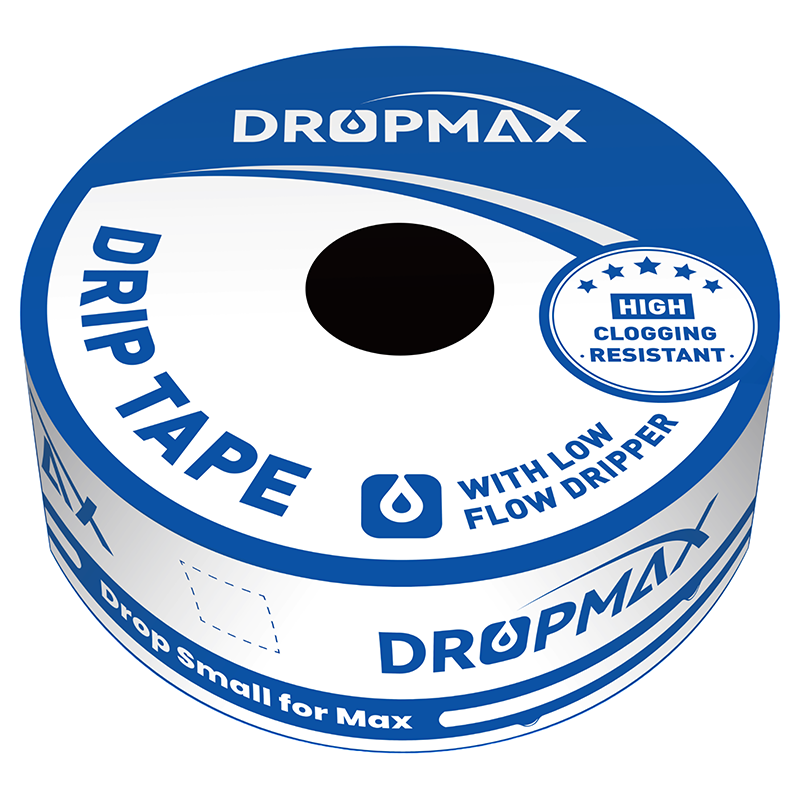
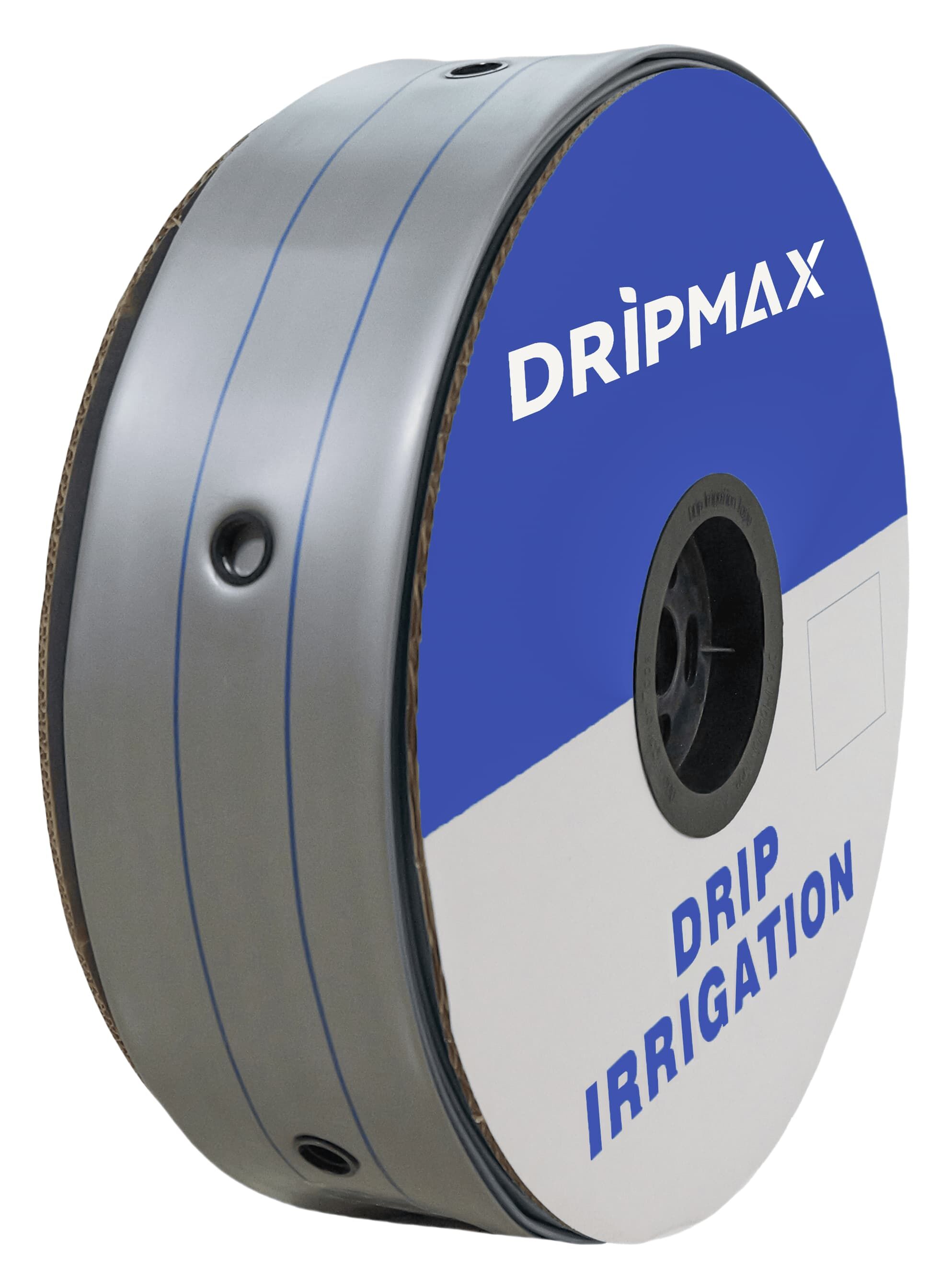
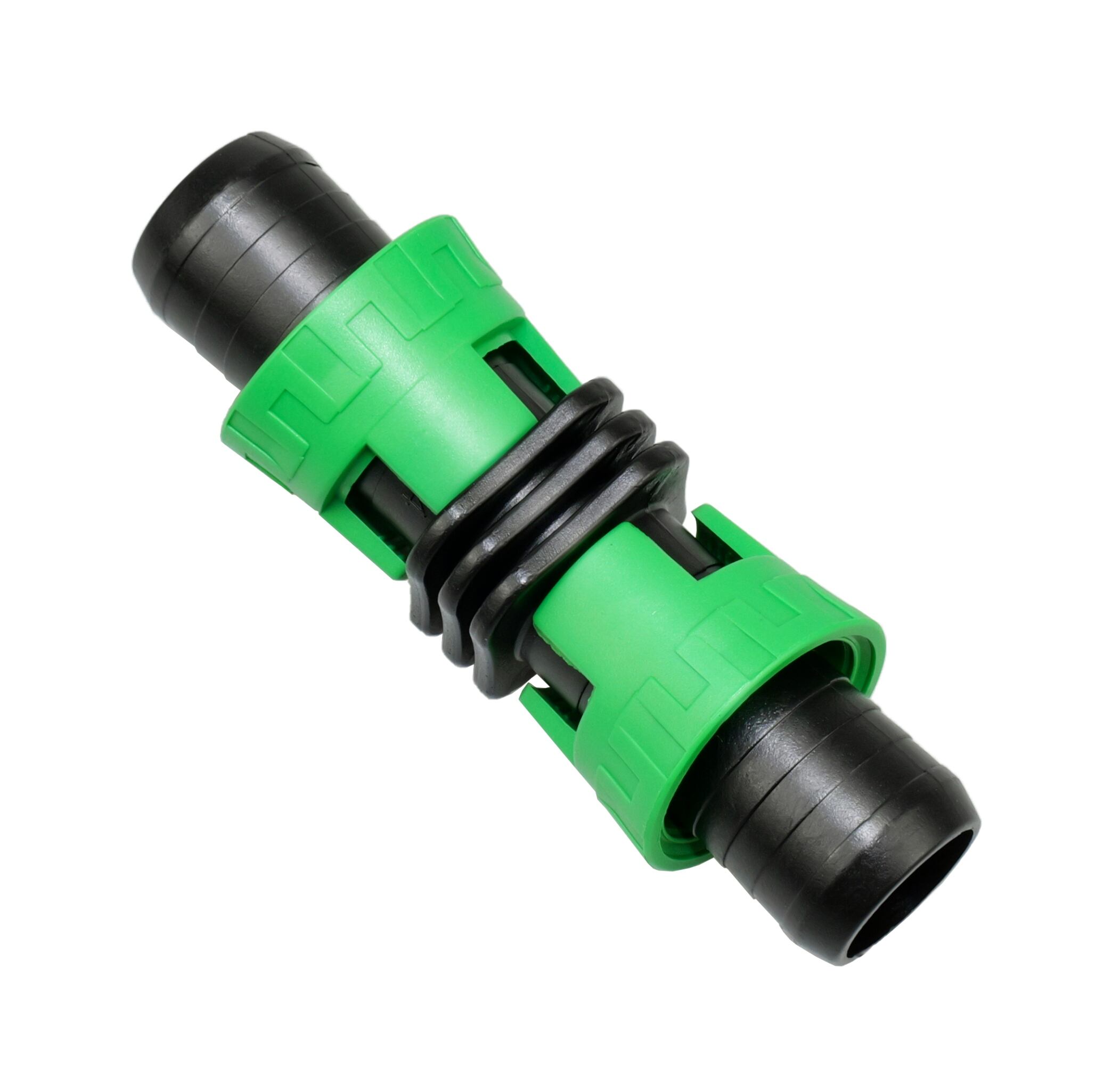
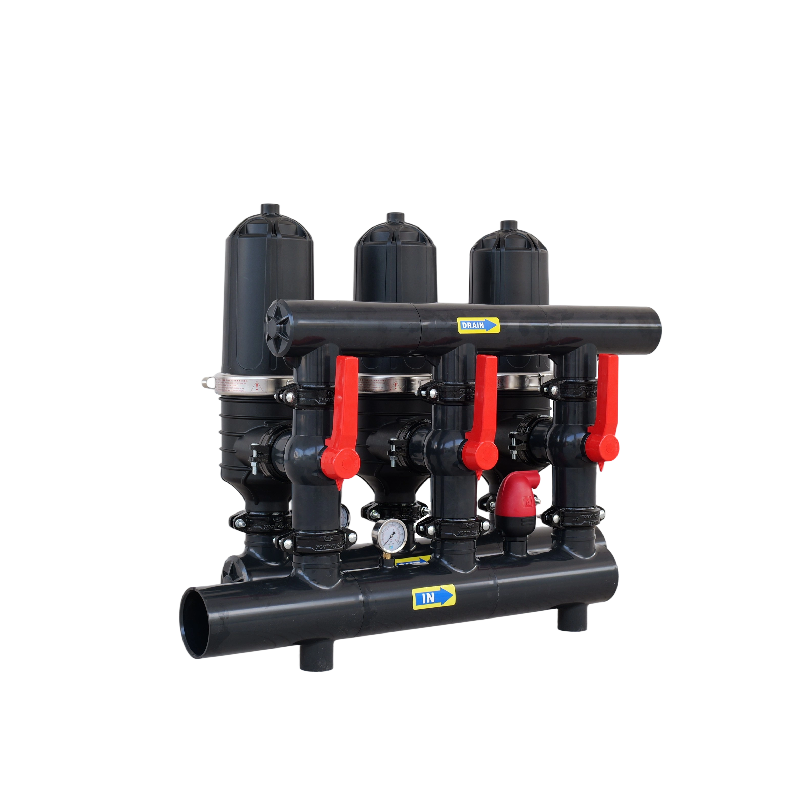
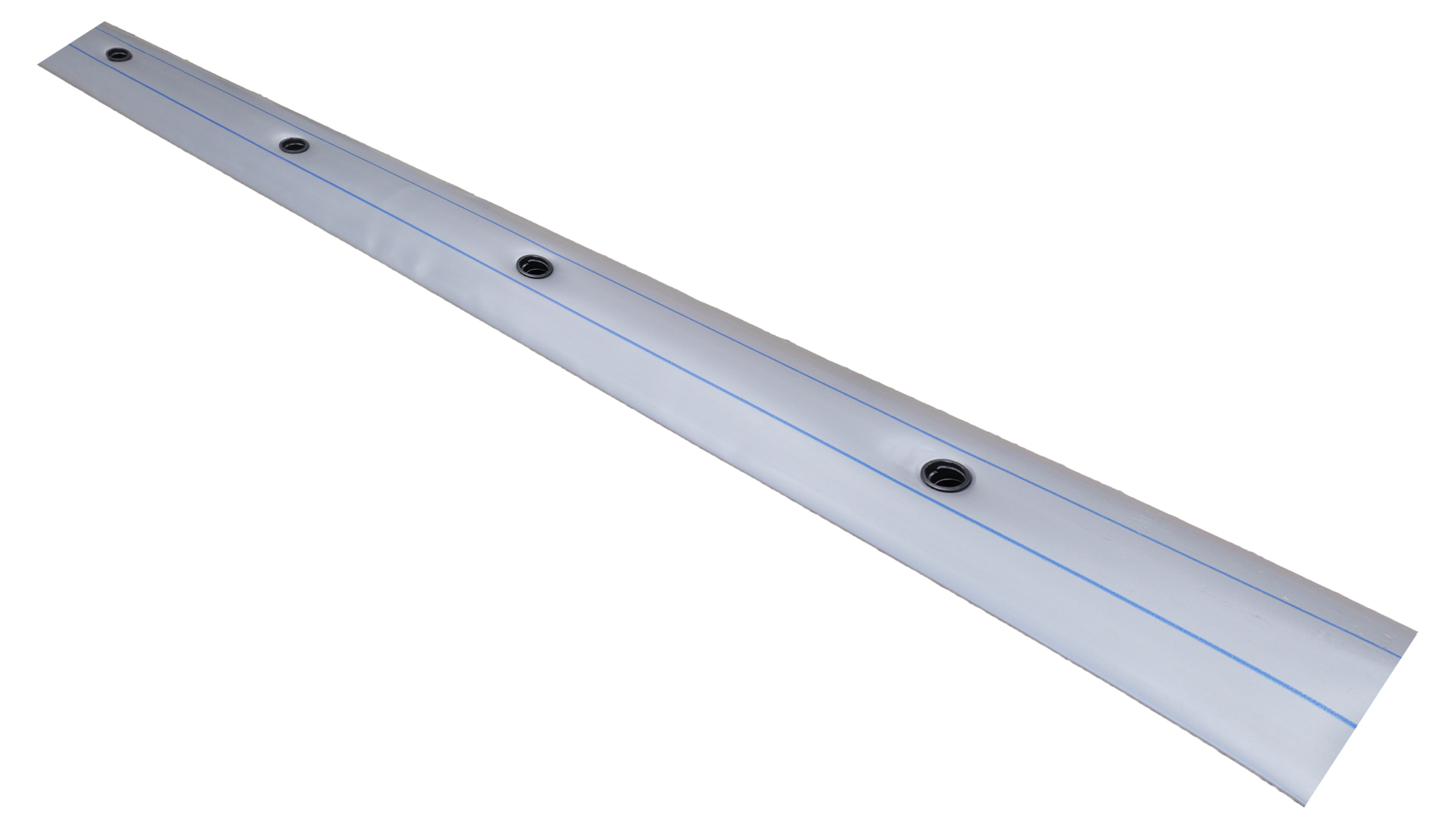
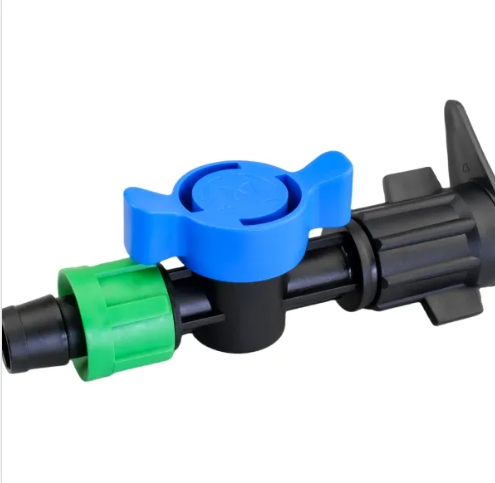
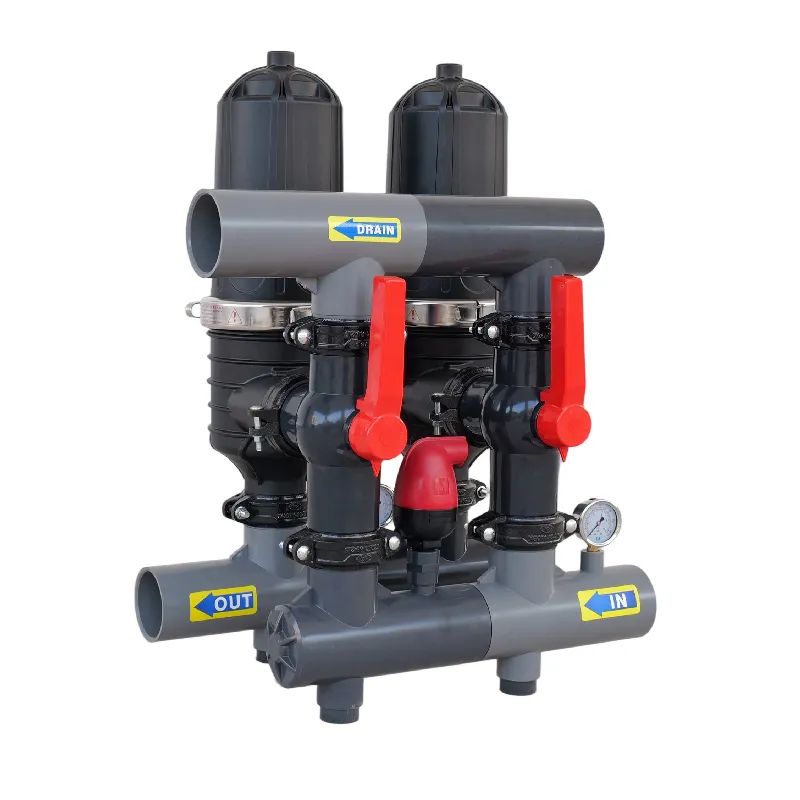
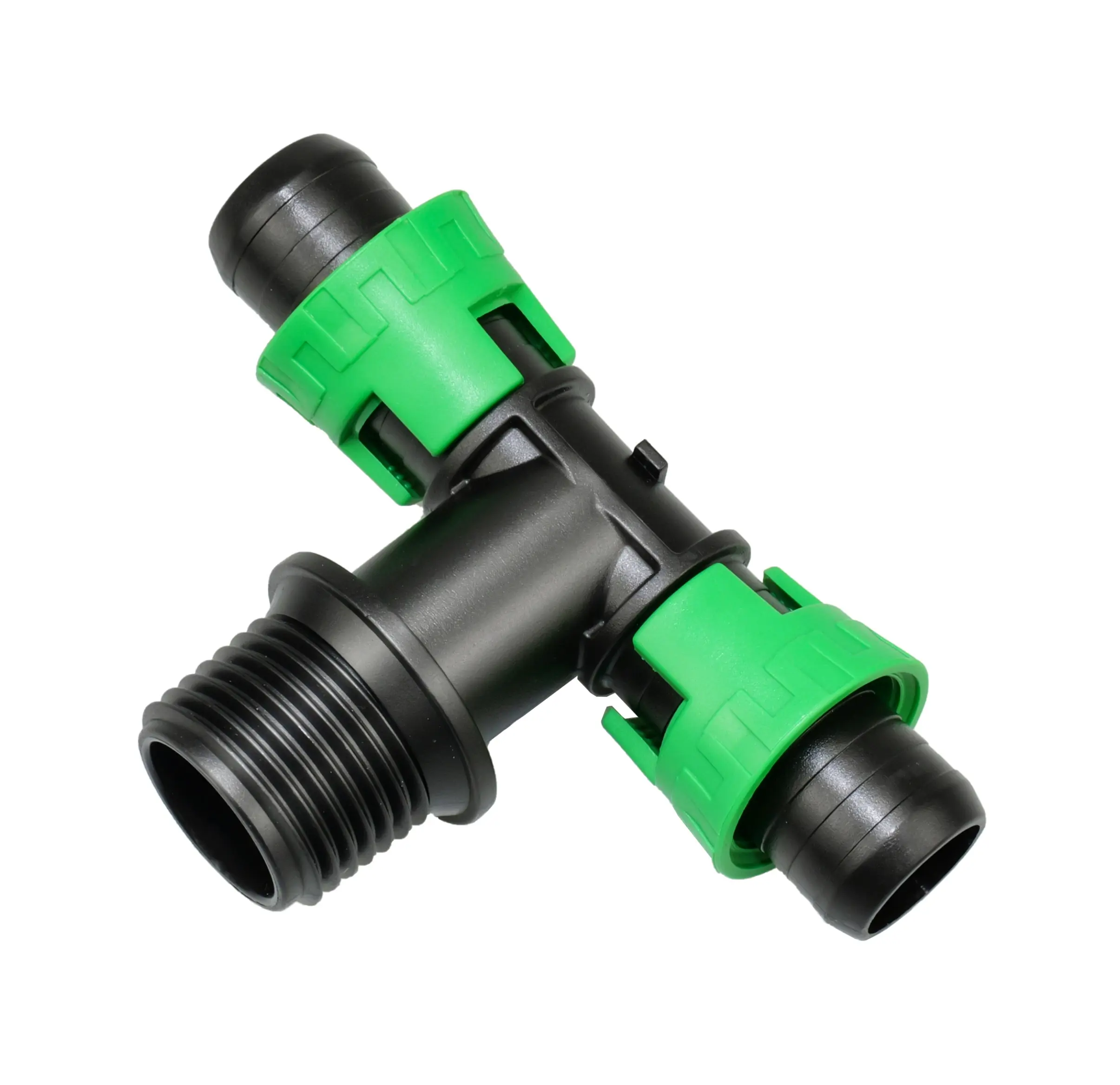
Drip irrigation components represent a sophisticated water management system designed to deliver precise amounts of water directly to plant root zones. This revolutionary agricultural technology consists of several interconnected elements that work together to optimize water usage and enhance crop productivity. The primary components include emitters, tubing systems, filters, pressure regulators, and control valves, each serving specific functions within the overall irrigation framework. Emitters are the heart of drip irrigation components, releasing water at controlled rates ranging from 0.5 to 8 gallons per hour. These devices ensure uniform water distribution across the entire cultivation area. The tubing network comprises main lines, sub-main lines, and lateral lines that transport water from the source to individual plants. Main lines typically use larger diameter pipes to carry water from the source, while lateral lines feature smaller tubing with strategically placed emitters. Filtration systems within drip irrigation components prevent clogging by removing sediments, organic matter, and other particles from the water supply. Screen filters, disc filters, and media filters are commonly employed depending on water quality requirements. Pressure regulation devices maintain consistent water pressure throughout the system, ensuring uniform emitter performance regardless of elevation changes or system length. Control valves enable automated or manual operation of different irrigation zones, allowing farmers to customize watering schedules for various crop types. Modern drip irrigation components incorporate advanced technological features such as pressure compensation mechanisms that maintain consistent flow rates despite pressure variations. Self-flushing emitters automatically clear debris, reducing maintenance requirements. Smart controllers integrate weather sensors and soil moisture monitors to optimize irrigation timing. These components find extensive applications in agriculture, horticulture, landscaping, and greenhouse cultivation. They are particularly effective for row crops, orchards, vineyards, vegetable gardens, and container growing systems, making them versatile solutions for diverse agricultural operations.


Popular Products

Drip irrigation components deliver exceptional water conservation benefits that significantly reduce consumption compared to traditional irrigation methods. These systems achieve water savings of 30 to 50 percent by delivering water directly to plant roots, minimizing evaporation and runoff losses. This targeted approach ensures that every drop serves a purpose, making drip irrigation components ideal for water-scarce regions and environmentally conscious growers. The precision delivery mechanism prevents overwatering while maintaining optimal soil moisture levels, creating perfect growing conditions for various crops. Labor costs decrease substantially when using drip irrigation components because these systems automate the watering process, eliminating the need for manual sprinkler movement or constant monitoring. Farmers can manage large cultivation areas with minimal workforce, redirecting human resources to other critical farm activities. The automated nature of drip irrigation components also reduces the physical demands on agricultural workers, improving workplace safety and efficiency. Crop yields increase dramatically with properly installed drip irrigation components due to consistent moisture delivery and reduced plant stress. Plants receive steady water supplies without the feast-or-famine cycles common with conventional irrigation methods. This consistency promotes healthier root development, improved nutrient uptake, and enhanced overall plant vigor. Many farmers report yield increases of 20 to 40 percent after switching to drip irrigation components. Fertilizer efficiency improves significantly because drip irrigation components can deliver nutrients directly through the water supply system, a process called fertigation. This method ensures precise nutrient placement at root zones, reducing fertilizer waste and preventing groundwater contamination. The controlled delivery system also minimizes nutrient leaching, keeping valuable fertilizers within the active root zone where plants can readily absorb them. Weed growth reduction represents another major advantage of drip irrigation components. By delivering water only to desired plants, these systems deny moisture to weed seeds in surrounding areas, naturally suppressing unwanted vegetation. This selective watering approach reduces herbicide requirements and manual weeding labor while maintaining cleaner growing environments. Disease prevention benefits arise from drip irrigation components keeping foliage dry during watering operations. Many plant diseases thrive in moist leaf conditions created by overhead sprinklers, but drip systems eliminate this problem by targeting root zones exclusively. Reduced disease pressure means lower pesticide costs and healthier crops throughout the growing season.

Latest News

How Layflat Hose Enhances Water Distribution in Modern Farming

10

Jun

How Layflat Hose Enhances Water Distribution in Modern Farming

Explore the fundamentals of layflat hose for agricultural water distribution, focusing on design principles, material composition, and advantages over traditional irrigation methods. Learn how layflat hose technology optimizes water distribution, reduces labor, and increases efficiency in modern farming operations.
View More
Water-Saving Drip Tape Technology Reduces Agricultural Costs

16

Jun

Water-Saving Drip Tape Technology Reduces Agricultural Costs

Discover the mechanics of drip tape technology, its components, and the benefits of smart integration with modern agriculture. Learn about the future innovations in water-efficient farming for sustainable practices.
View More
How DripMax's Agricultural Irrigation Systems Boost Productivity

23

Jul

How DripMax's Agricultural Irrigation Systems Boost Productivity

Explore the comprehensive guide to drip irrigation technology, its role in modern agriculture, and the advancements made by systems like DripMax. Discover how this method optimizes water use, enhances crop yields, and supports sustainable practices in farming.
View More
What Is Drip Irrigation Tape and How Is It Used?

29

Aug

What Is Drip Irrigation Tape and How Is It Used?

View More

Get a Free Quote

Our representative will contact you soon.
Email
Name
Company Name
Message
0/1000

drip irrigation components

Advanced Pressure Compensation Technology

Advanced Pressure Compensation Technology

Modern drip irrigation components feature sophisticated pressure compensation technology that revolutionizes water distribution across agricultural systems. This innovative feature ensures consistent water delivery rates regardless of terrain elevation, system length, or pressure fluctuations within the network. Traditional irrigation systems often suffer from uneven water distribution, with plants at higher elevations or distant locations receiving insufficient water while those closer to the source become oversaturated. Pressure compensating emitters within drip irrigation components automatically adjust their internal mechanisms to maintain predetermined flow rates even when system pressure varies between 10 to 50 PSI. This self-regulating capability eliminates the guesswork and constant adjustments required with conventional irrigation methods. The technology works through specially designed diaphragms and flow paths that expand or contract based on incoming water pressure, maintaining consistent output regardless of external conditions. For commercial growers, this means every plant receives exactly the same amount of water, leading to uniform crop development and consistent harvest quality. The economic benefits of pressure compensation in drip irrigation components extend beyond improved crop uniformity. Farmers can install systems across varied topography without expensive pressure regulation equipment at multiple points. A single pressure regulator at the system head can serve the entire network, reducing installation costs and maintenance requirements. This technology also enables longer run lengths, allowing coverage of larger areas with fewer control zones and reducing the complexity of system management. The durability of pressure compensating drip irrigation components surpasses that of non-compensating alternatives because these devices experience less stress from pressure variations. Internal components maintain optimal operating conditions, extending service life and reducing replacement frequency. Many manufacturers offer warranties of 8 to 10 years on pressure compensating emitters, demonstrating confidence in their longevity. Installation flexibility increases dramatically with pressure compensating drip irrigation components because designers can route tubing along natural terrain contours without complex pressure calculations. This freedom allows for more efficient layouts that follow property boundaries and existing infrastructure while maintaining optimal performance throughout the system.
Self-Cleaning and Anti-Clogging Features

Self-Cleaning and Anti-Clogging Features

Self-cleaning mechanisms in advanced drip irrigation components address the most common maintenance challenge faced by irrigation system operators: emitter clogging. These innovative features automatically flush debris, sediments, and biological buildup from emitter flow paths during normal operation, significantly reducing maintenance requirements and ensuring consistent long-term performance. Traditional drip systems often require frequent manual cleaning or replacement of clogged emitters, creating ongoing labor costs and potential crop stress during maintenance periods. Self-flushing drip irrigation components incorporate specially designed internal pathways that create turbulent flow patterns during startup and shutdown cycles. This turbulence naturally dislodges particles that might otherwise accumulate and block water flow. Some advanced emitters feature flexible diaphragms that flex with each pressure cycle, physically scrubbing internal surfaces and preventing biofilm formation. These mechanisms work continuously during system operation without requiring external power sources or additional maintenance procedures. The anti-clogging benefits extend beyond simple particle removal. Modern drip irrigation components often include built-in anti-siphon devices that prevent contaminated water from being drawn back into the system during shutdown periods. This feature is crucial in preventing bacterial growth and organic matter accumulation that could lead to system-wide contamination. Additionally, some emitters incorporate antimicrobial materials or coatings that inhibit bacterial and algae growth within the flow path. Water quality tolerance improves dramatically with self-cleaning drip irrigation components, allowing successful operation with marginally filtered water sources that would quickly clog conventional emitters. This capability proves especially valuable in remote locations where high-quality filtration equipment may be impractical or expensive to maintain. Farmers can utilize recycled water, pond water, or well water with higher sediment content without experiencing frequent system failures. The economic impact of self-cleaning features in drip irrigation components compounds over time through reduced labor costs, fewer replacement parts, and improved system reliability. Maintenance visits can be scheduled based on actual need rather than arbitrary timeframes, and system operators can focus on productive activities rather than constant troubleshooting. The reduced downtime also ensures consistent crop irrigation, preventing stress-related yield losses that occur when systems fail during critical growing periods.
Smart Integration and Automation Capabilities

Smart Integration and Automation Capabilities

Contemporary drip irrigation components seamlessly integrate with smart agricultural technologies, creating automated systems that respond to real-time environmental conditions and crop requirements. These intelligent features transform traditional irrigation from a scheduled activity into a precision agriculture tool that optimizes water usage based on actual plant needs rather than predetermined timers. Smart sensors embedded within or connected to drip irrigation components monitor soil moisture, temperature, humidity, and weather conditions continuously, providing data-driven insights that guide irrigation decisions. The automation capabilities of modern drip irrigation components extend far beyond simple timer controls. Advanced systems incorporate weather station integration, allowing automatic schedule adjustments based on rainfall predictions, temperature forecasts, and evapotranspiration calculations. When rain is forecasted, the system automatically delays or skips scheduled irrigation cycles, preventing overwatering and conserving resources. During hot, dry periods, the system can increase irrigation frequency or duration to meet elevated plant demands without human intervention. Smartphone connectivity and remote monitoring features in smart drip irrigation components enable farmers to oversee their systems from anywhere with internet access. Mobile applications provide real-time status updates, alert notifications for system malfunctions, and detailed water usage reports. This connectivity proves invaluable for large operations or remote fields where daily physical inspection would be impractical. Operators can adjust irrigation schedules, troubleshoot problems, and monitor system performance without traveling to field locations. Machine learning algorithms in advanced drip irrigation components analyze historical data patterns to optimize future irrigation strategies. These systems learn from past crop responses, weather patterns, and soil conditions to predict optimal watering schedules. Over time, the system becomes increasingly efficient at meeting crop needs while minimizing water consumption. This artificial intelligence capability represents a significant advancement in agricultural automation, moving beyond reactive irrigation toward predictive crop management. Integration with farm management software allows drip irrigation components to coordinate with other agricultural systems such as fertilizer injection, pest control, and harvest planning. This holistic approach creates synergies between different farm operations, improving overall efficiency and crop outcomes. Data collected by irrigation sensors can inform decisions about fertilizer application timing, pest monitoring schedules, and harvest date predictions, maximizing the value of the technology investment across multiple agricultural functions.

Get a Free Quote

Our representative will contact you soon.
Email
Name
Company Name
Message
0/1000