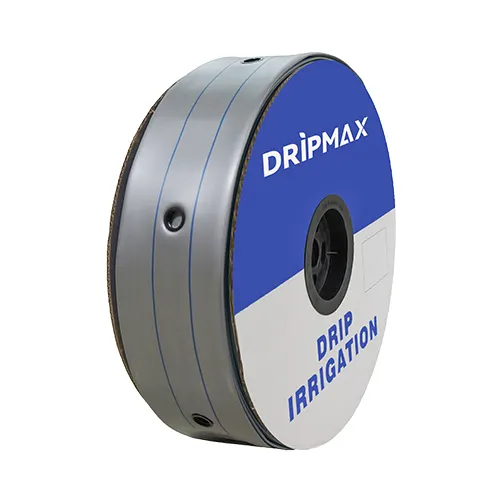
Automatic Drip Irrigation Systems: Smart Water Management Solutions for Efficient Plant Care

All Categories

Get a Free Quote

Our representative will contact you soon.
Email
Name
Whats App
Message
0/1000

automatic drip irrigation systems

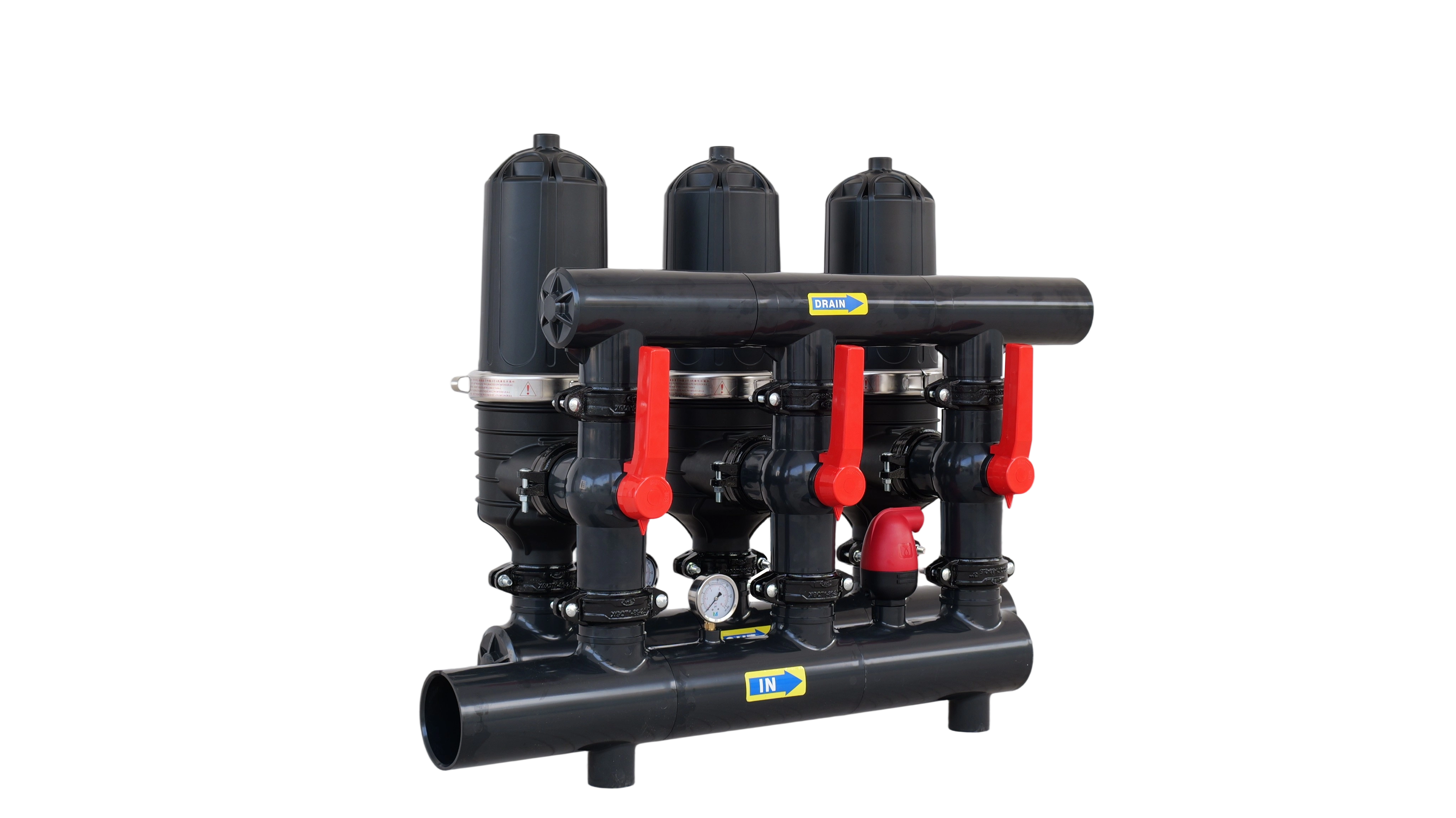
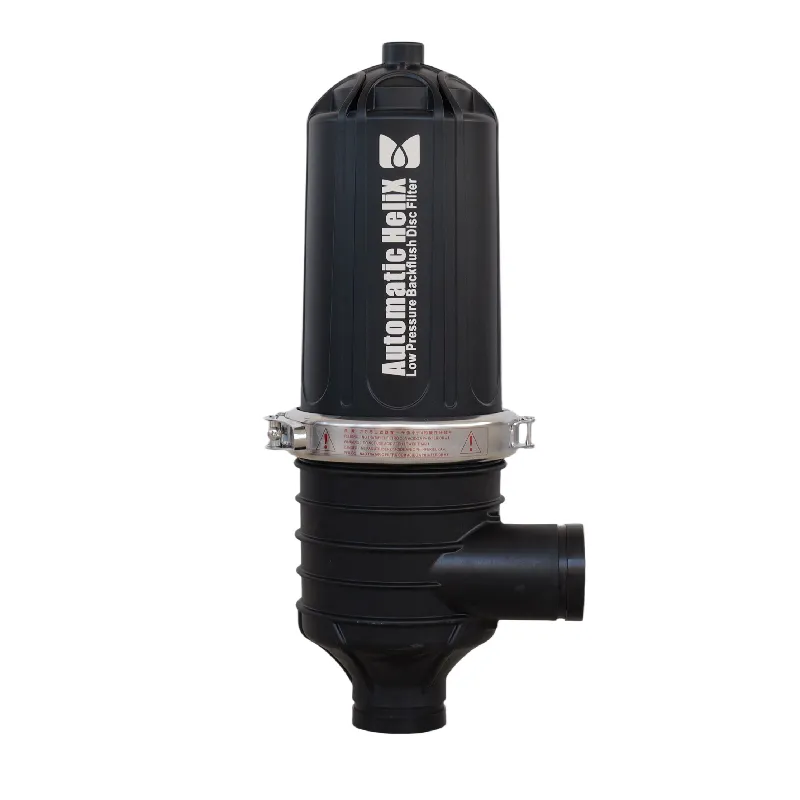
Automatic drip irrigation systems represent a revolutionary approach to water management in agriculture and landscaping, combining precision technology with sustainable water conservation practices. These sophisticated irrigation solutions deliver water directly to plant root zones through a network of tubes, emitters, and control mechanisms that operate with minimal human intervention. The primary function of automatic drip irrigation systems centers on providing consistent, measured water delivery that maximizes plant health while minimizing water waste. At their core, these systems utilize advanced sensor technology, programmable timers, and flow control devices to monitor soil moisture levels and environmental conditions. The technological backbone includes pressure-compensating emitters that ensure uniform water distribution regardless of terrain elevation changes, filtration systems that prevent clogging, and smart controllers that can adjust watering schedules based on weather data and plant requirements. Modern automatic drip irrigation systems incorporate wireless connectivity, allowing users to monitor and control their irrigation remotely through smartphone applications or computer interfaces. The applications for these systems span across residential gardens, commercial farms, greenhouse operations, and large-scale agricultural enterprises. In residential settings, homeowners utilize automatic drip irrigation systems for vegetable gardens, flower beds, and landscape maintenance, appreciating the convenience and water savings. Commercial agriculture depends heavily on these systems for crop production, particularly in water-scarce regions where efficient irrigation directly impacts profitability. Greenhouse operators integrate automatic drip irrigation systems with climate control systems to create optimal growing environments for specialty crops. The versatility of these systems extends to urban farming initiatives, rooftop gardens, and hydroponic operations where precise water delivery is essential for plant survival and growth.


Popular Products

The advantages of automatic drip irrigation systems provide substantial benefits that transform how property owners approach water management and plant care. Water conservation stands as the most significant advantage, with these systems reducing water usage by up to 50 percent compared to traditional sprinkler methods. This efficiency stems from targeted water delivery that eliminates runoff and evaporation losses common in overhead watering systems. Property owners experience immediate cost savings on water bills while contributing to environmental conservation efforts. Labor reduction represents another major benefit, as automatic drip irrigation systems eliminate the need for manual watering routines. Busy homeowners and agricultural workers can focus their time and energy on other important tasks while the system maintains consistent plant hydration. The automation features prevent the common problem of forgetting to water plants, which often leads to plant stress or death. Plant health improvements become evident within weeks of installing automatic drip irrigation systems, as plants receive steady moisture levels that promote robust root development and consistent growth patterns. The precise water delivery prevents overwatering, which can cause root rot and fungal diseases that damage plant health. Conversely, the systems prevent underwatering stress that stunts growth and reduces crop yields. Weed suppression occurs naturally with automatic drip irrigation systems because water is delivered directly to desired plants rather than broadcasting across entire areas. This targeted approach denies weeds the moisture they need to establish and spread, reducing maintenance requirements and eliminating the need for herbicides in many situations. Soil structure benefits significantly from drip irrigation, as gentle water application prevents soil compaction and erosion. The gradual water infiltration allows soil to absorb moisture completely without creating muddy conditions or surface crusting. Fertilizer efficiency increases dramatically when nutrients are delivered through automatic drip irrigation systems, as water-soluble fertilizers reach plant roots directly without waste. This precision feeding reduces fertilizer costs while improving plant nutrition and growth rates.

Latest News

Flexible Lay Flat Hose: Ultimate Guide for Farm Water Management

16

Jun

Flexible Lay Flat Hose: Ultimate Guide for Farm Water Management

Explore the benefits of lay flat hoses for farm water management, focusing on efficient water distribution, durability, cost-effectiveness, technical specifications, and integration with drip irrigation systems. Enhance your agricultural productivity with lay flat hoses.
View More
Water-Saving Drip Tape Technology Reduces Agricultural Costs

16

Jun

Water-Saving Drip Tape Technology Reduces Agricultural Costs

Discover the mechanics of drip tape technology, its components, and the benefits of smart integration with modern agriculture. Learn about the future innovations in water-efficient farming for sustainable practices.
View More
What Are the Main Benefits of Agricultural Irrigation Systems?

29

Aug

What Are the Main Benefits of Agricultural Irrigation Systems?

View More
What Is Drip Irrigation Tape and How Is It Used?

29

Aug

What Is Drip Irrigation Tape and How Is It Used?

View More

Get a Free Quote

Our representative will contact you soon.
Email
Name
Company Name
Message
0/1000

automatic drip irrigation systems

Smart Technology Integration and Remote Control Capabilities

Smart Technology Integration and Remote Control Capabilities

Modern automatic drip irrigation systems incorporate cutting-edge smart technology that revolutionizes traditional watering methods through sophisticated remote control capabilities and intelligent automation features. These systems connect seamlessly to home WiFi networks, enabling property owners to monitor and adjust their irrigation schedules from anywhere in the world using dedicated smartphone applications or web-based interfaces. The smart controllers utilize real-time weather data from local meteorological services to automatically adjust watering schedules based on rainfall predictions, temperature fluctuations, and seasonal changes. This intelligent adaptation prevents unnecessary watering during rainy periods while increasing irrigation frequency during drought conditions, optimizing both plant health and water conservation. Advanced soil moisture sensors embedded throughout the irrigation zone provide continuous feedback to the central control system, ensuring that automatic drip irrigation systems activate only when soil conditions require additional moisture. This sensor-driven approach eliminates guesswork and prevents both overwatering and underwatering scenarios that can damage plant health and waste resources. The remote monitoring capabilities allow users to receive instant notifications about system performance, including alerts for low water pressure, clogged emitters, or equipment malfunctions. Property owners can troubleshoot issues quickly before they impact plant health or cause system damage. Scheduling flexibility reaches unprecedented levels with smart automatic drip irrigation systems, as users can create multiple watering programs for different plant zones with varying water requirements. Vegetable gardens, flower beds, trees, and shrubs can each receive customized irrigation schedules that account for their specific moisture needs and growth patterns. The systems store historical watering data, enabling users to analyze water usage patterns and optimize their irrigation strategies over time. Integration with smart home ecosystems allows automatic drip irrigation systems to coordinate with other automated systems, such as lighting and climate control, creating comprehensive property management solutions that enhance both convenience and efficiency.
Water Conservation and Environmental Sustainability

Water Conservation and Environmental Sustainability

Automatic drip irrigation systems deliver exceptional water conservation benefits that address growing environmental concerns while reducing operational costs for property owners across residential and commercial applications. These systems achieve remarkable efficiency by delivering water directly to plant root zones at slow, consistent rates that allow complete soil absorption without runoff or evaporation losses. Traditional sprinkler systems lose significant amounts of water to wind drift and surface evaporation, particularly during hot weather conditions, while automatic drip irrigation systems maintain nearly 95 percent water delivery efficiency regardless of environmental factors. The precision application prevents water waste on non-target areas such as walkways, driveways, and unplanted spaces that commonly occur with broadcast irrigation methods. Environmental sustainability extends beyond water conservation, as automatic drip irrigation systems reduce the need for chemical fertilizers and pesticides through improved plant health and targeted nutrient delivery. Healthier plants naturally resist diseases and pest infestations, reducing the environmental impact of agricultural chemicals on soil and groundwater systems. The reduced runoff from drip irrigation prevents nutrient pollution in nearby water bodies, protecting aquatic ecosystems from harmful algae blooms and oxygen depletion. Carbon footprint reduction occurs through multiple mechanisms within automatic drip irrigation systems, including decreased energy consumption for water pumping and reduced transportation needs for water delivery in agricultural applications. The longevity of system components, typically lasting 15-20 years with proper maintenance, minimizes replacement waste and resource consumption compared to frequently replaced manual irrigation equipment. Drought resilience becomes increasingly important as climate change affects traditional water supplies, and automatic drip irrigation systems help properties maintain productive landscapes with minimal water resources. These systems enable sustainable agriculture and landscaping practices in arid regions where water scarcity limits traditional irrigation methods. The precise water management capabilities support xerophytic landscaping initiatives that emphasize native and drought-tolerant plant species while maintaining attractive and functional outdoor spaces.
Precision Water Delivery and Plant Health Optimization

Precision Water Delivery and Plant Health Optimization

The precision water delivery capabilities of automatic drip irrigation systems represent a fundamental advancement in horticultural science, providing plants with optimal hydration conditions that promote vigorous growth and maximum productivity. These systems deliver water at controlled flow rates directly to individual plant root zones, ensuring that each plant receives exactly the amount of moisture needed for healthy development without competition from neighboring plants or waste through surface distribution. The emitter technology within automatic drip irrigation systems provides consistent flow rates ranging from 0.5 to 4 gallons per hour, allowing precise customization for different plant types and growth stages. Seedlings require gentle, frequent watering cycles, while established trees benefit from longer, less frequent deep watering sessions that encourage deep root development. This flexibility enables gardeners and farmers to optimize their irrigation strategies for diverse plant collections within the same system. Root zone targeting prevents surface watering that encourages shallow root systems susceptible to drought stress and temperature fluctuations. Deep root development promoted by automatic drip irrigation systems creates more resilient plants capable of accessing ground moisture during dry periods and establishing stronger anchoring systems for stability during severe weather. The consistent moisture levels maintained by precision irrigation prevent the stress cycles that occur with irregular watering patterns, enabling plants to maintain steady growth rates and development schedules. Fruit and vegetable production benefits significantly from the stable growing conditions provided by automatic drip irrigation systems, as consistent moisture levels prevent common problems such as blossom end rot in tomatoes, cracking in fruits, and bitter flavors in leafy greens. The elimination of leaf wetness reduces fungal disease pressure, as water application occurs at soil level rather than on plant foliage where pathogens typically establish. This disease prevention aspect reduces the need for fungicidal treatments while maintaining plant health throughout growing seasons. Nutrient uptake efficiency increases dramatically when automatic drip irrigation systems deliver fertilizer solutions directly to root zones, ensuring that plants can access essential minerals and nutrients without competition or loss to surrounding soil areas.

Get a Free Quote

Our representative will contact you soon.
Email
Name
Company Name
Message
0/1000