Professional Irrigation Drip Lines: Advanced Water-Efficient Farming Solutions

All Categories

Get a Free Quote

Our representative will contact you soon.
Email
Name
Whats App
Message
0/1000

irrigation drip lines

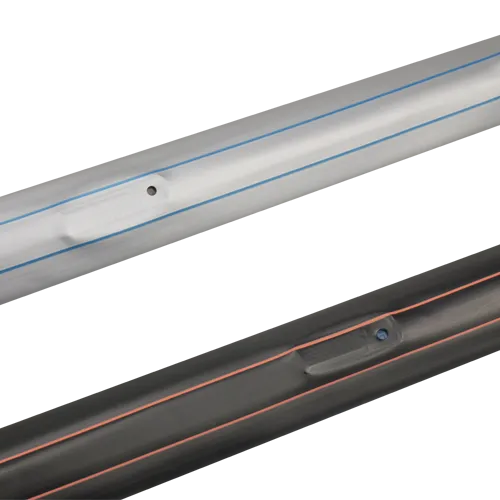
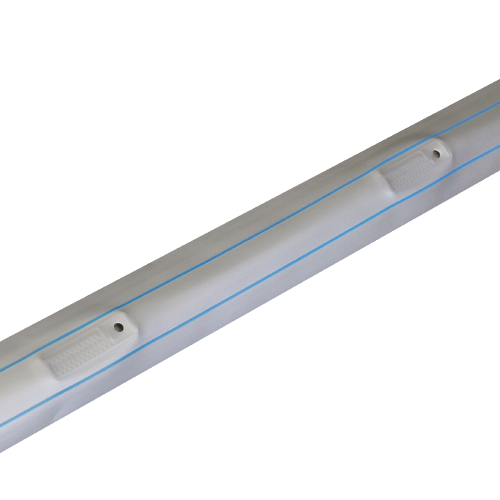
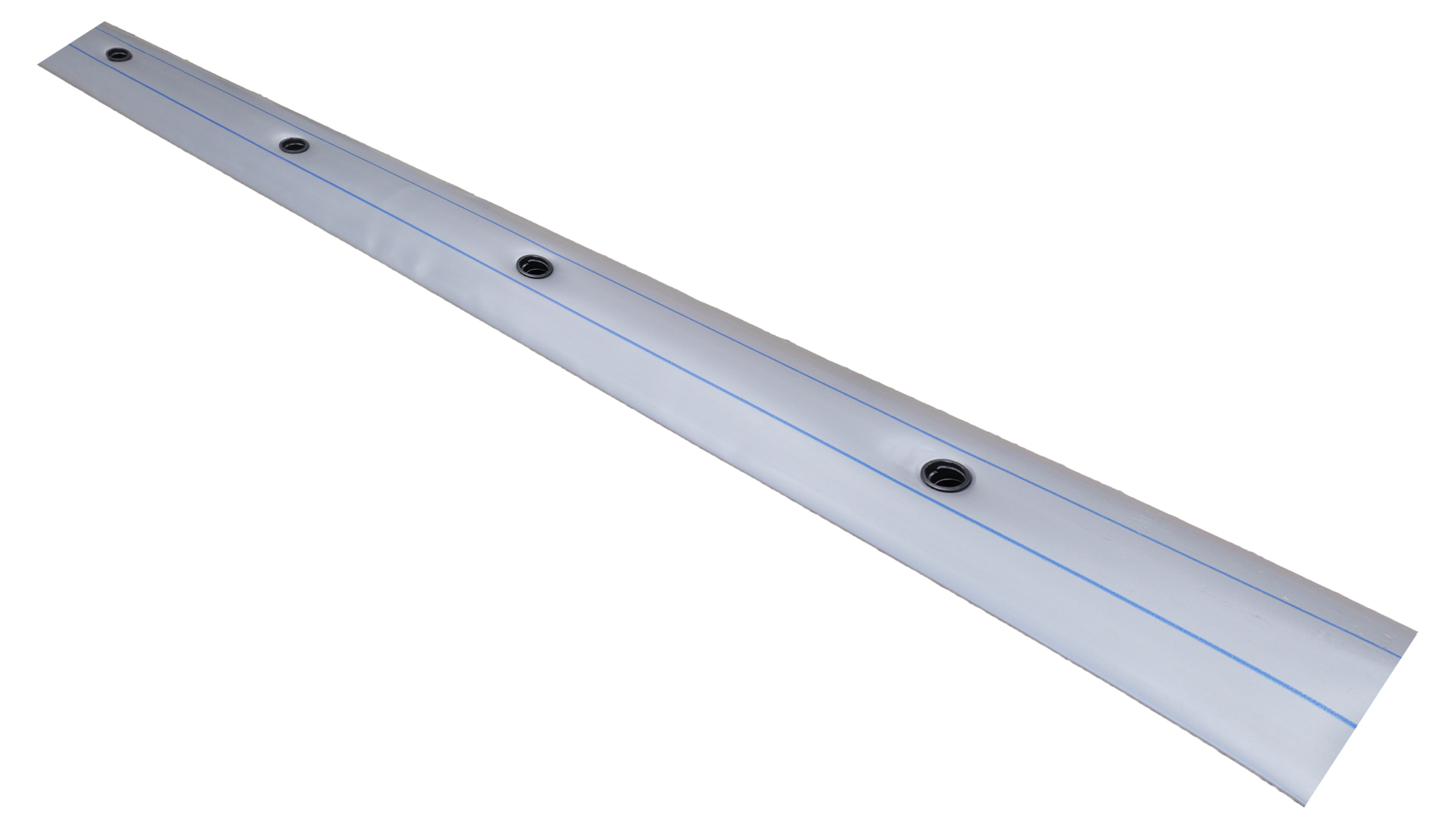
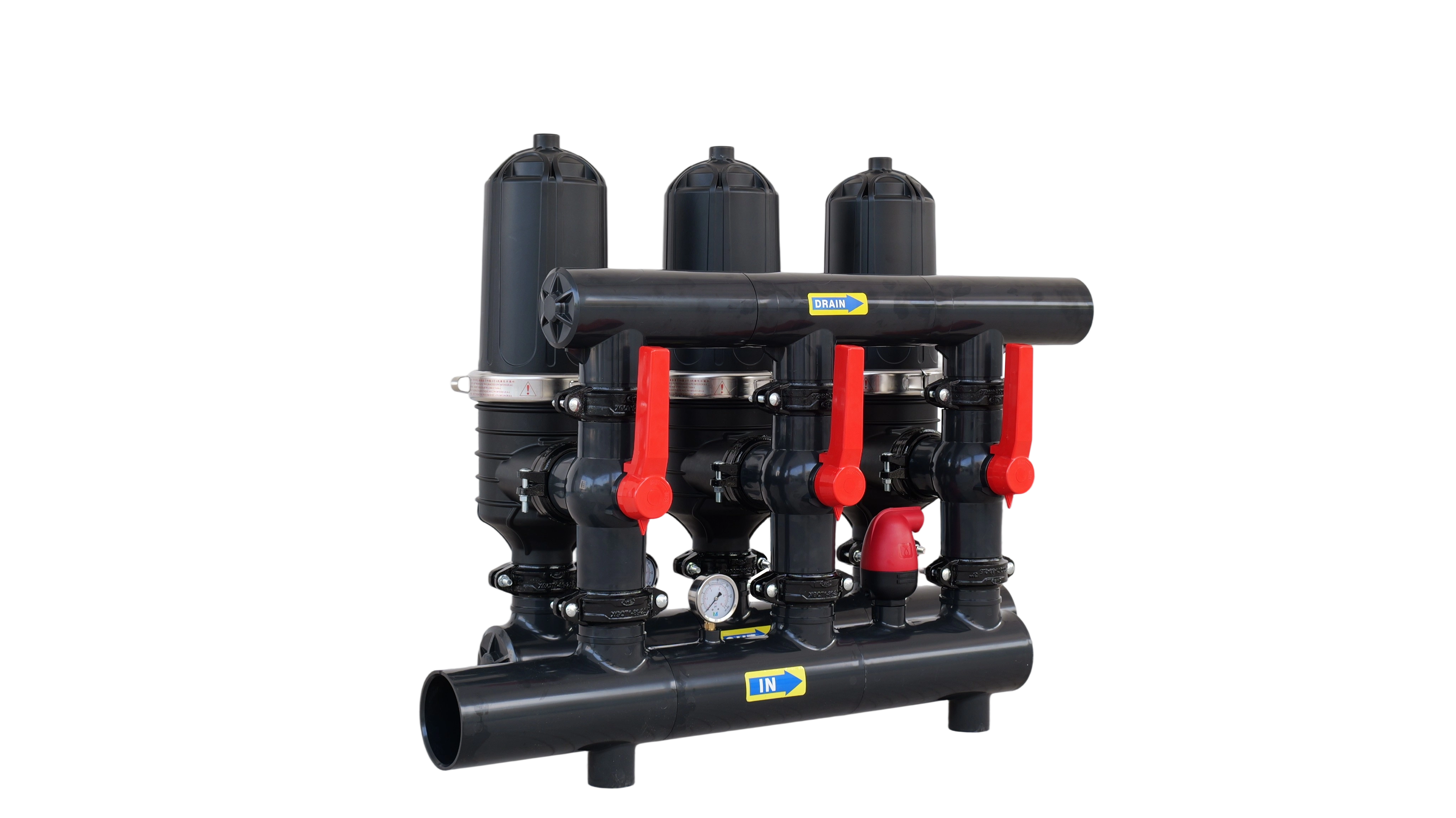
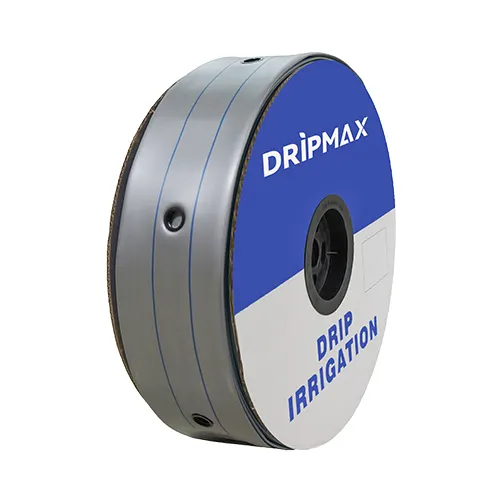
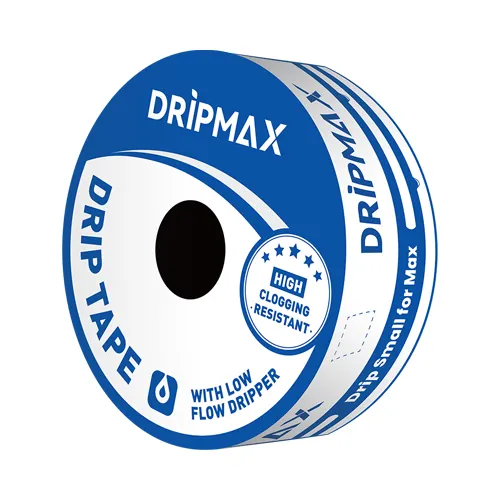
Irrigation drip lines represent a revolutionary water delivery system that transforms how farmers and gardeners manage crop irrigation. These specialized tubes feature precisely engineered emitters that deliver water directly to plant root zones with exceptional accuracy and efficiency. Modern irrigation drip lines incorporate advanced polymer technology and micro-engineering to create consistent water distribution patterns across agricultural fields and garden installations. The system operates through a network of main supply lines connected to secondary distribution tubes that carry water to individual plant locations. Each drip line contains multiple pressure-compensating emitters designed to maintain uniform flow rates regardless of terrain variations or pressure fluctuations. The technology behind irrigation drip lines involves sophisticated hydraulic engineering that ensures optimal water pressure throughout the entire system. Manufacturers utilize high-grade polyethylene materials that resist UV degradation, chemical corrosion, and mechanical stress from agricultural equipment. The emitter design incorporates labyrinth pathways that regulate water flow while preventing clogging from particles and mineral deposits. Installation of irrigation drip lines requires careful planning of field layouts, pressure zones, and filtration requirements to maximize system performance. These systems excel in diverse agricultural applications including row crops, orchards, vineyards, greenhouse operations, and landscape irrigation projects. The controlled water delivery mechanism of irrigation drip lines supports precision agriculture practices by enabling farmers to apply exact water quantities based on crop requirements and soil conditions. Integration with smart irrigation controllers allows automated scheduling and monitoring of irrigation drip lines, enhancing operational efficiency and reducing labor costs. Environmental benefits include reduced water waste, minimized soil erosion, and decreased fertilizer runoff that can contaminate groundwater sources. The versatility of irrigation drip lines makes them suitable for various soil types, from sandy soils requiring frequent watering to clay soils needing slower water infiltration rates.

New Product Releases

Irrigation drip lines deliver substantial water savings that directly impact operational costs and environmental sustainability. These systems achieve water efficiency rates exceeding 90 percent compared to traditional sprinkler systems that typically waste 30 to 50 percent of applied water through evaporation and runoff. The precise water delivery mechanism of irrigation drip lines eliminates over-watering and ensures plants receive optimal moisture levels for healthy growth and maximum yield potential. Farmers experience significant reductions in utility bills and pumping costs because irrigation drip lines operate effectively at lower water pressures than conventional irrigation methods. The targeted watering approach prevents water loss to non-productive areas between plant rows, concentrating resources where crops can utilize them most effectively. Installation costs for irrigation drip lines prove economical when considering long-term operational savings and improved crop productivity. The system reduces labor requirements by automating water delivery and eliminating manual watering tasks that consume valuable time and resources. Maintenance demands remain minimal because irrigation drip lines contain fewer moving parts than complex sprinkler systems, reducing repair costs and operational downtime. Crop quality improvements result from consistent soil moisture levels that irrigation drip lines maintain throughout growing seasons. Plants develop stronger root systems when irrigation drip lines provide steady water availability without creating waterlogged conditions that stress plant health. The controlled watering environment reduces disease pressure by keeping plant foliage dry, minimizing fungal infections that thrive in humid conditions created by overhead irrigation methods. Fertilizer efficiency increases dramatically when nutrients dissolve in irrigation drip lines and deliver directly to root zones where plants absorb them immediately. This targeted nutrient delivery reduces fertilizer waste and prevents groundwater contamination from excess chemicals washing away from treated areas. Weed control benefits emerge because irrigation drip lines water only designated crop areas, leaving spaces between rows dry and inhospitable to weed germination. The flexibility of irrigation drip lines allows customization for different crop spacing requirements and field configurations, adapting to various agricultural operations seamlessly. Energy consumption decreases substantially because irrigation drip lines require lower operating pressures than spray irrigation systems, reducing electricity costs for pumping operations.

Practical Tips

Durable Drip Tape Solutions for Efficient Agricultural Irrigation Systems

Durable Drip Tape Solutions for Efficient Agricultural Irrigation Systems

Explore the benefits and techniques of drip tape irrigation systems in modern agriculture. Learn how these systems improve water efficiency, crop yield, and sustainability while reducing waste and fostering environmental stewardship.
View More
Flexible Lay Flat Hose: Ultimate Guide for Farm Water Management

16

Jun

Flexible Lay Flat Hose: Ultimate Guide for Farm Water Management

Explore the benefits of lay flat hoses for farm water management, focusing on efficient water distribution, durability, cost-effectiveness, technical specifications, and integration with drip irrigation systems. Enhance your agricultural productivity with lay flat hoses.
View More
Water-Saving Drip Tape Technology Reduces Agricultural Costs

16

Jun

Water-Saving Drip Tape Technology Reduces Agricultural Costs

Discover the mechanics of drip tape technology, its components, and the benefits of smart integration with modern agriculture. Learn about the future innovations in water-efficient farming for sustainable practices.
View More
What Are the Main Benefits of Agricultural Irrigation Systems?

29

Aug

What Are the Main Benefits of Agricultural Irrigation Systems?

View More

Get a Free Quote

Our representative will contact you soon.
Email
Name
Company Name
Message
0/1000

irrigation drip lines

Advanced Pressure-Compensating Technology

Advanced Pressure-Compensating Technology

The pressure-compensating technology integrated into modern irrigation drip lines represents a breakthrough innovation that ensures uniform water distribution across varying elevations and distances from water sources. This sophisticated engineering solution addresses one of the most challenging aspects of drip irrigation: maintaining consistent flow rates throughout extensive field installations where natural pressure variations can create uneven watering patterns. The pressure-compensating mechanism within irrigation drip lines utilizes flexible diaphragms and precision-molded flow channels that automatically adjust to pressure fluctuations, delivering identical water volumes regardless of system pressure changes. This technology proves particularly valuable in sloped terrain where gravity creates pressure differentials that would otherwise result in excessive watering at lower elevations and insufficient irrigation at higher points. Agricultural operations benefit tremendously from this feature because it eliminates the need for multiple pressure zones and complex valve systems that increase installation costs and maintenance requirements. The consistent water delivery achieved through pressure-compensating irrigation drip lines ensures uniform crop development across entire fields, preventing the uneven growth patterns that reduce overall harvest quality and marketable yields. Farmers can confidently install irrigation drip lines across large acreages knowing that every plant receives precisely the same water volume, regardless of its position within the irrigation network. The technology incorporates self-flushing capabilities that prevent debris accumulation within emitter pathways, maintaining optimal performance throughout extended operating periods. This self-cleaning action extends the operational lifespan of irrigation drip lines while reducing maintenance interventions that interrupt farming schedules. The pressure-compensating design also enables irrigation drip lines to function effectively with variable water supply pressures, accommodating fluctuations in municipal water systems or pump-driven installations without compromising watering consistency. Quality control during manufacturing ensures that pressure-compensating irrigation drip lines meet stringent performance standards for flow uniformity, typically achieving coefficient variations below 5 percent across entire product runs.
Superior Durability and Longevity

Superior Durability and Longevity

The exceptional durability engineered into modern irrigation drip lines provides agricultural operations with reliable performance that withstands harsh environmental conditions and intensive farming practices. Manufacturers construct these irrigation drip lines using premium-grade polyethylene compounds specifically formulated to resist ultraviolet radiation, chemical degradation, and mechanical stress from farming equipment and natural weathering processes. The material science behind irrigation drip lines incorporates UV stabilizers and antioxidants that prevent polymer breakdown even under extreme sun exposure and temperature fluctuations common in agricultural environments. This enhanced durability translates into extended service life that often exceeds 10 years with proper installation and maintenance, delivering exceptional return on investment for farming operations of all sizes. The robust construction of irrigation drip lines enables them to withstand burial in soil without compromising structural integrity or water delivery performance. Sub-surface installation protects irrigation drip lines from mechanical damage during cultivation activities while maintaining optimal soil moisture levels directly within plant root zones. The flexibility of irrigation drip lines allows installation around obstacles and irregular field boundaries without creating stress concentration points that could lead to premature failure. Thermal stability ensures that irrigation drip lines maintain dimensional accuracy and flow characteristics across seasonal temperature variations, from freezing winter conditions to extreme summer heat. The chemical resistance properties of irrigation drip lines enable compatibility with fertilizers, pesticides, and soil treatments commonly used in agricultural applications without experiencing degradation or performance loss. Joints and connections within irrigation drip lines utilize welded or mechanically secured attachment methods that eliminate weak points prone to separation under normal operating stresses. The smooth interior surfaces of irrigation drip lines resist biofilm formation and mineral scaling that can reduce water flow and compromise system efficiency over time. Quality assurance testing subjects irrigation drip lines to accelerated aging protocols that simulate years of field exposure, ensuring products meet durability specifications before market release. This comprehensive testing approach gives farmers confidence that irrigation drip lines will deliver consistent performance throughout their expected service life, minimizing replacement costs and operational disruptions.
Precise Water and Nutrient Management

Precise Water and Nutrient Management

The precision water and nutrient management capabilities of irrigation drip lines revolutionize agricultural practices by enabling farmers to deliver exact quantities of water and fertilizers directly to plant root zones with unprecedented accuracy and control. This targeted delivery system eliminates the guesswork traditionally associated with irrigation scheduling and fertilizer application, allowing growers to optimize plant health and maximize crop yields while minimizing resource waste. Irrigation drip lines facilitate fertigation, the process of injecting liquid fertilizers directly into the irrigation water stream, ensuring that nutrients reach plants immediately when they need them most. This synchronized delivery of water and nutrients creates ideal growing conditions that promote vigorous plant development and superior crop quality. The controlled release mechanism of irrigation drip lines prevents fertilizer burn and nutrient leaching that commonly occur with broadcast application methods, protecting both plant health and environmental quality. Soil moisture sensors integrated with irrigation drip lines provide real-time feedback about root zone conditions, enabling automated adjustments to watering schedules based on actual plant needs rather than predetermined timers. This responsive irrigation management reduces water stress and optimizes photosynthesis rates, directly improving crop productivity and quality parameters. The slow, steady water application rate of irrigation drip lines allows complete soil infiltration without runoff, ensuring that every drop of water reaches its intended destination within the plant root zone. This efficient water utilization proves especially valuable in water-scarce regions where conservation measures directly impact operational sustainability and compliance with environmental regulations. Customizable emitter spacing and flow rates in irrigation drip lines accommodate different crop types, growth stages, and soil conditions, providing flexibility to adapt irrigation strategies throughout growing seasons. The precision application capabilities extend to pH adjustment and specialty nutrient programs that address specific crop requirements or soil deficiencies identified through regular testing protocols. Remote monitoring systems connected to irrigation drip lines enable farmers to track water usage, system pressure, and flow rates from mobile devices, facilitating proactive maintenance and optimization of irrigation schedules. Data logging features record historical irrigation patterns that help refine future growing strategies and demonstrate water stewardship practices to regulatory agencies and certification programs.


Get a Free Quote

Our representative will contact you soon.
Email
Name
Company Name
Message
0/1000