drip system installation
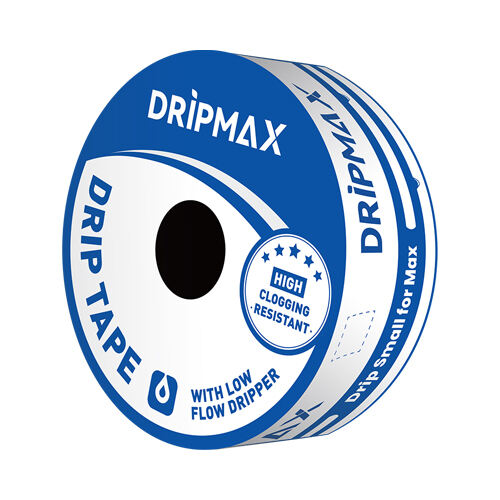
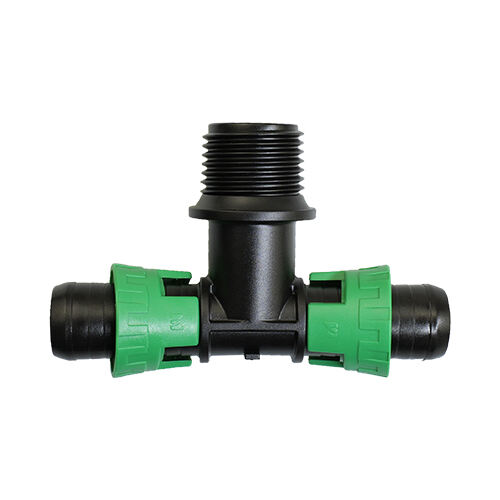

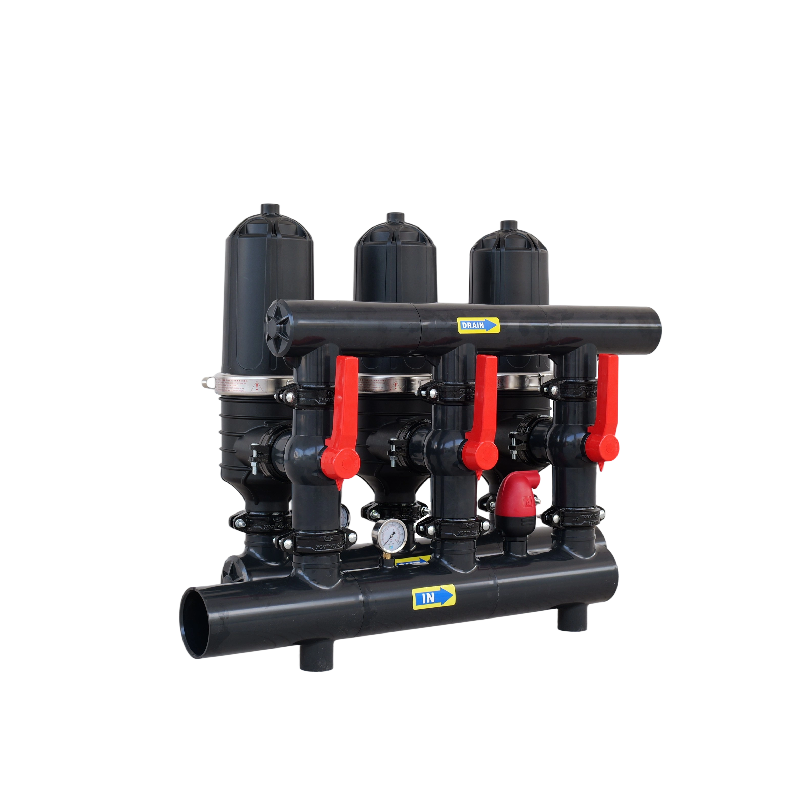
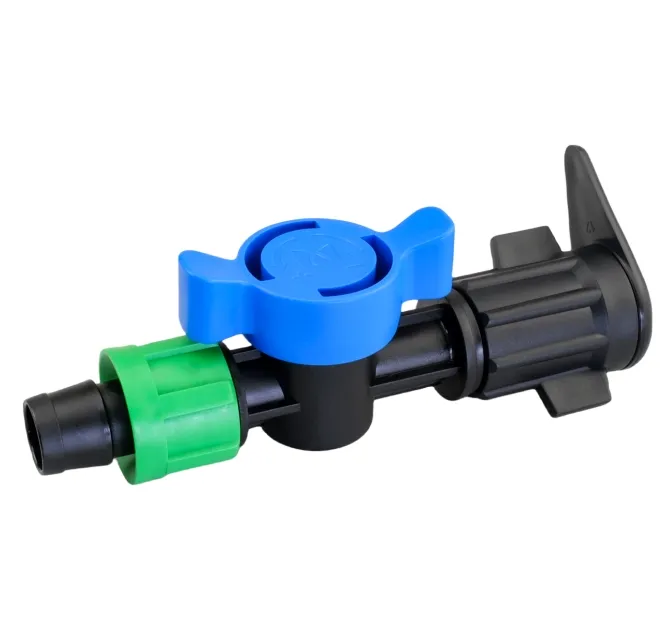
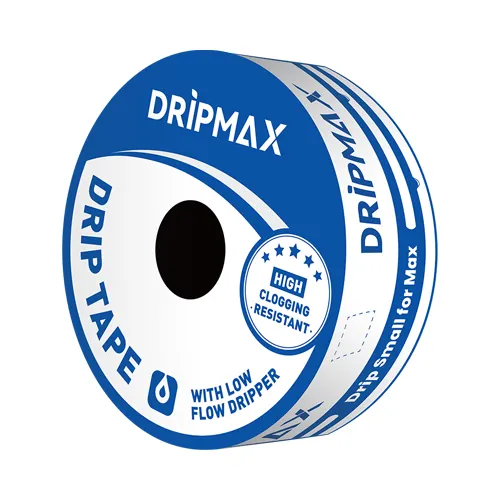
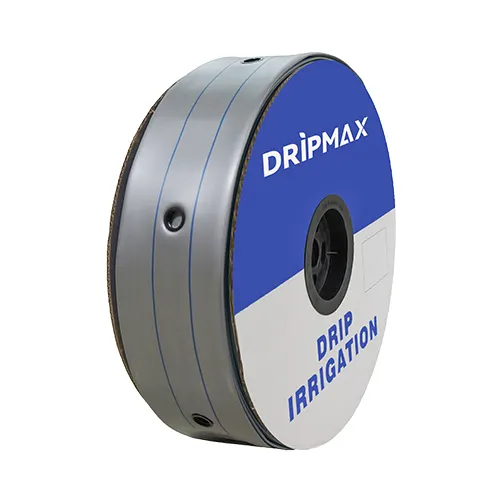
Drip system installation represents a revolutionary approach to irrigation that delivers water directly to plant roots through a network of tubes, emitters, and valves. This precision irrigation method transforms traditional watering practices by providing controlled, targeted moisture delivery that maximizes efficiency while minimizing waste. The fundamental principle behind drip system installation involves creating a low-pressure network that releases water slowly and consistently at predetermined locations throughout your garden or agricultural area. Modern drip system installation incorporates advanced technological features including pressure-compensating emitters that maintain uniform water flow regardless of elevation changes or system pressure variations. Smart controllers integrate weather sensors and soil moisture monitors to automatically adjust watering schedules based on real-time environmental conditions. The system's modular design allows for customizable configurations that accommodate diverse landscape layouts, from small residential gardens to expansive commercial operations. Key components of professional drip system installation include filtration systems that prevent clogging, pressure regulators that maintain optimal operating conditions, and distribution manifolds that ensure equal water delivery across multiple zones. The installation process involves careful planning of water source connections, strategic placement of main supply lines, and precise positioning of emitter points to match specific plant water requirements. Quality drip system installation utilizes UV-resistant materials and corrosion-proof fittings that withstand harsh weather conditions and provide long-term reliability. Applications span residential landscaping, vegetable gardens, greenhouse operations, commercial agriculture, and xeriscaping projects where water conservation is paramount. The versatility of drip system installation makes it suitable for various terrain types, including sloped areas where traditional sprinkler systems would create runoff problems, and densely planted spaces where overhead watering would be inefficient or impractical for optimal plant growth and water management.

 EN
EN