Advanced Drip Irrigation Systems for Agriculture - Water-Efficient Crop Production Solutions

All Categories

Get a Free Quote

Our representative will contact you soon.
Email
Name
Whats App
Message
0/1000

drip system in agriculture

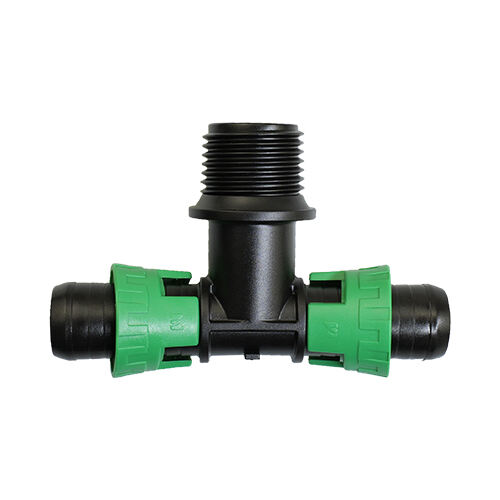
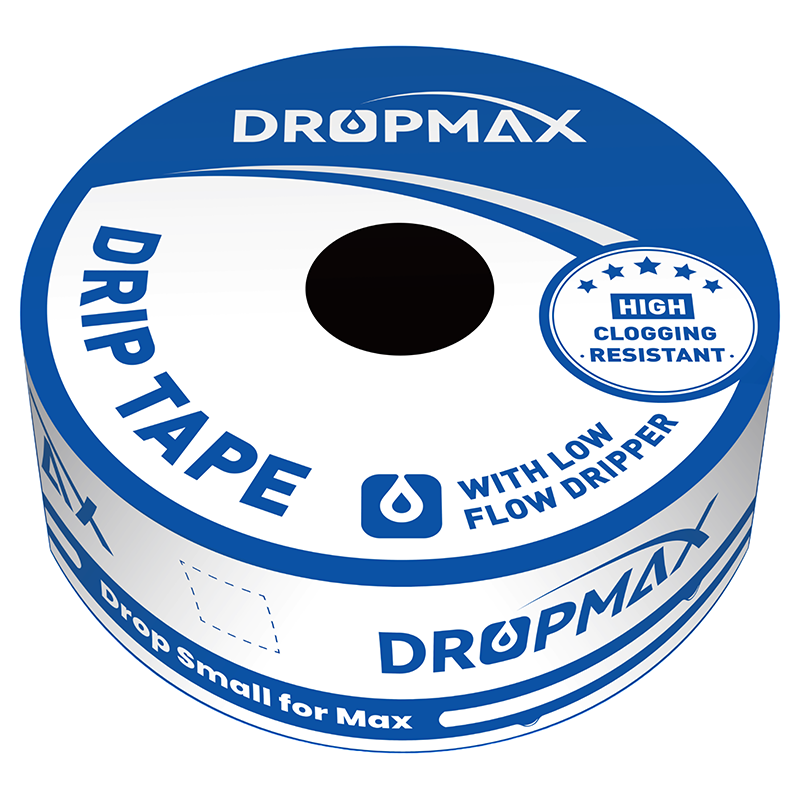

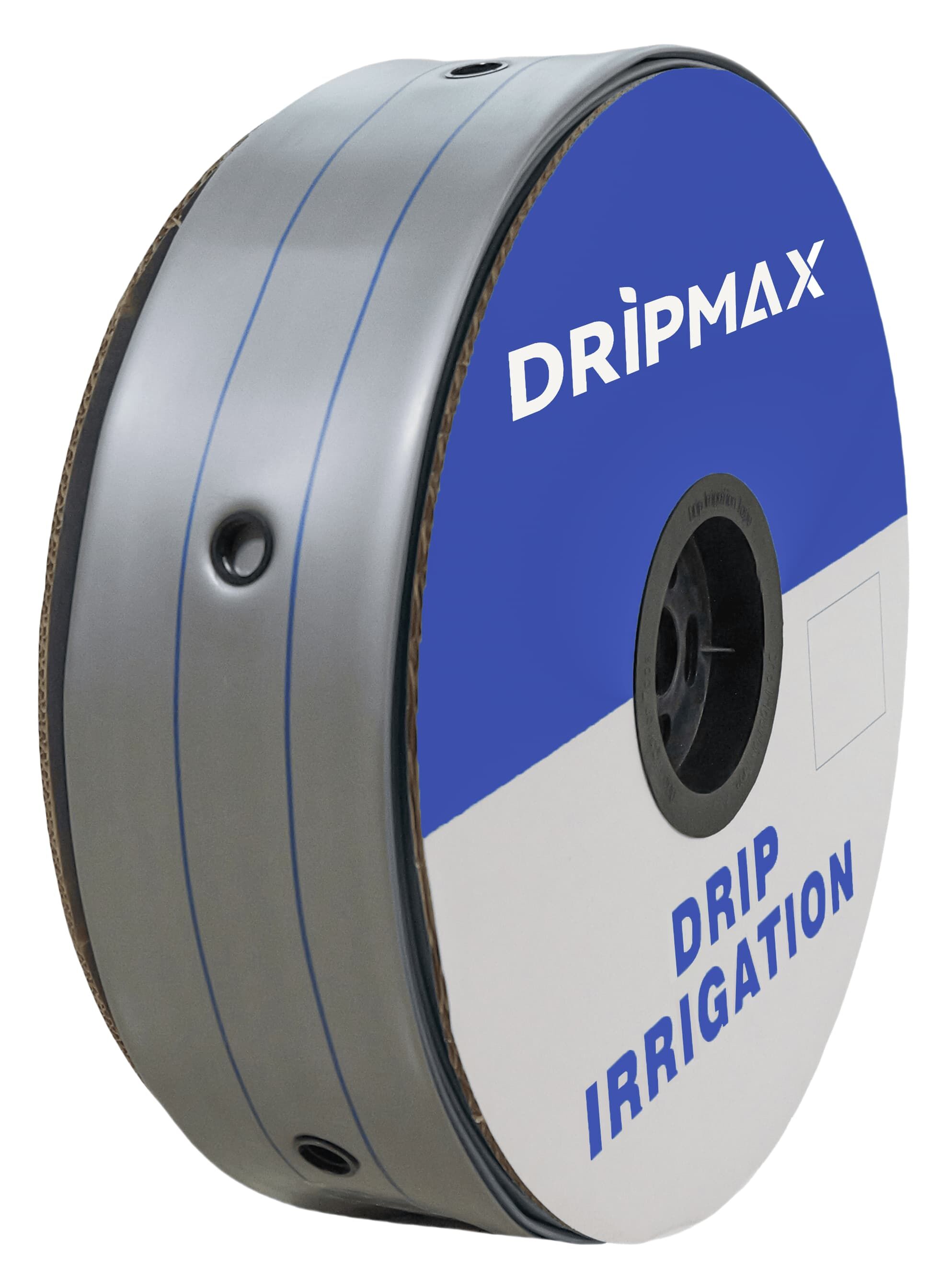
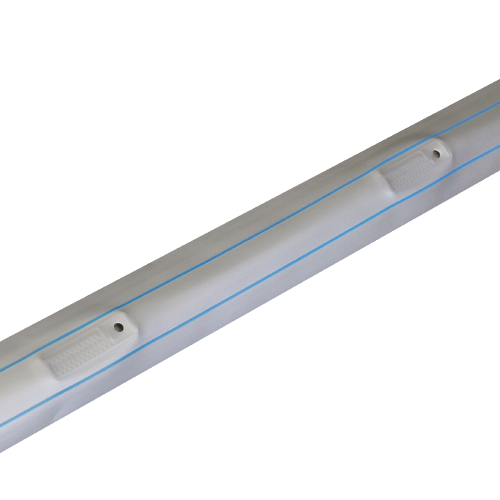
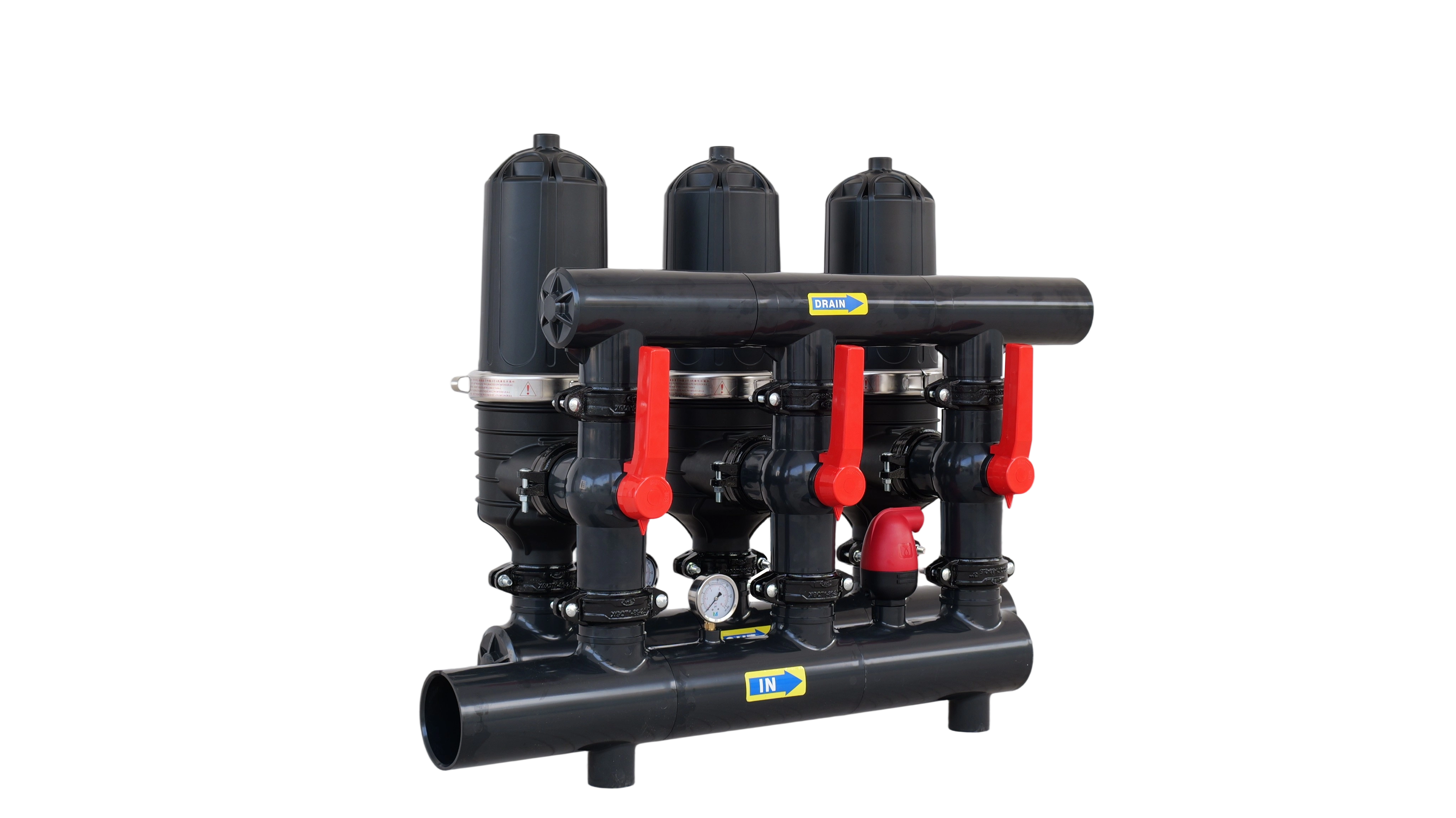
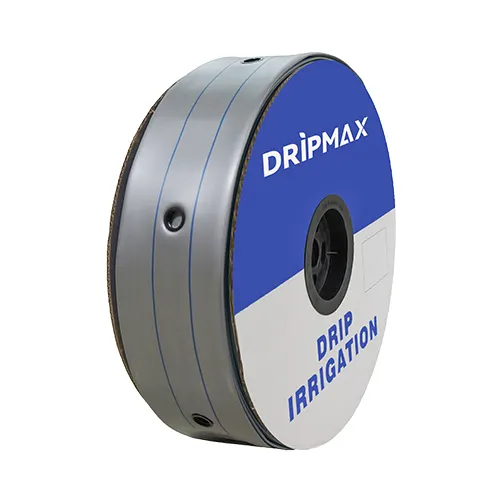
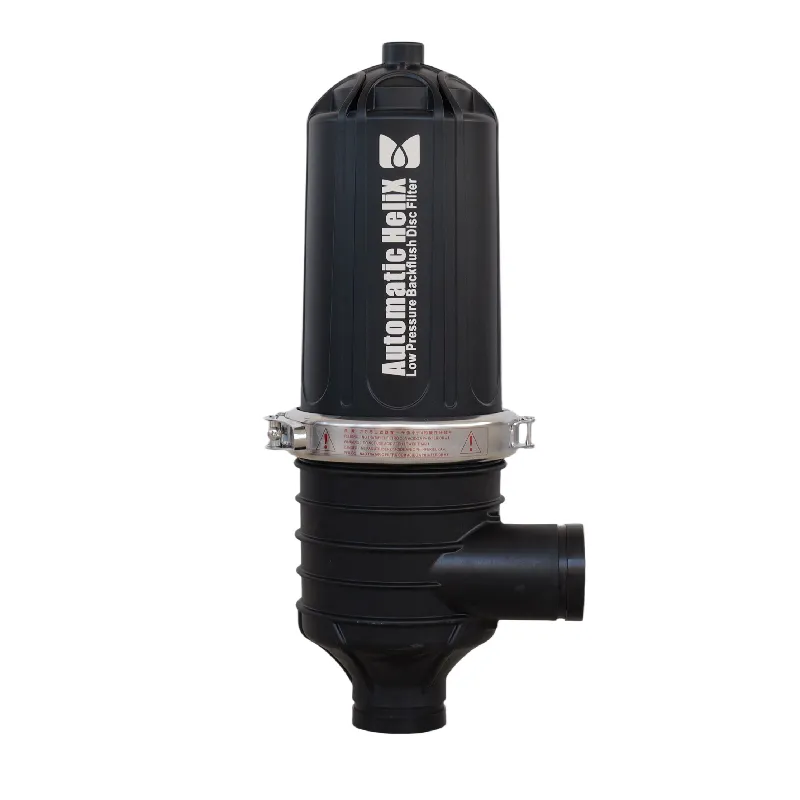
The drip system in agriculture represents a revolutionary approach to crop irrigation that delivers water directly to plant roots through a network of tubes, pipes, and emitters. This precision irrigation technology operates by maintaining consistent, controlled water flow rates that ensure optimal moisture levels while minimizing waste. The drip system in agriculture consists of several key components including a water source, filtration units, pressure regulators, main distribution lines, sub-main pipes, lateral lines, and specialized drip emitters that release water at predetermined rates. The technological foundation of this system relies on pressure-compensating emitters that maintain uniform water distribution regardless of terrain variations or pressure fluctuations throughout the network. Modern drip systems incorporate advanced filtration mechanisms to prevent clogging, ensuring reliable long-term performance. The main functions of the drip system in agriculture encompass precise water delivery, nutrient distribution through fertigation capabilities, and soil moisture management that promotes healthy root development. This irrigation method operates at low pressure levels, typically ranging from 10 to 30 PSI, making it energy-efficient compared to traditional sprinkler systems. The drip system in agriculture finds extensive applications across diverse crop types including vegetables, fruits, nuts, and row crops. Greenhouse operations particularly benefit from this technology due to its ability to maintain consistent growing conditions. Field applications span from small-scale garden plots to large commercial farms covering thousands of acres. The system adapts to various soil types, from sandy soils that require frequent watering to clay soils that need careful moisture management. Technological features include automated timing controls, soil moisture sensors, and remote monitoring capabilities that enable farmers to optimize irrigation schedules based on real-time field conditions. The drip system in agriculture supports sustainable farming practices by reducing water consumption while maintaining or improving crop yields, making it an essential tool for modern agricultural operations.


Popular Products

The drip system in agriculture delivers exceptional water efficiency by reducing consumption by 30-50% compared to conventional irrigation methods. This targeted water delivery eliminates runoff and evaporation losses that plague traditional sprinkler systems, ensuring every drop reaches its intended destination. Farmers experience significant cost savings through reduced water bills, lower energy consumption due to low-pressure operation, and decreased labor requirements for irrigation management. The drip system in agriculture enables precise fertigation, allowing nutrients to be delivered directly to root zones alongside water, improving nutrient uptake efficiency and reducing fertilizer waste. This integrated approach eliminates the need for separate fertilizer application, saving time and labor costs while ensuring optimal plant nutrition. Crop yields typically increase by 20-90% when farmers implement the drip system in agriculture, as plants receive consistent moisture levels that promote steady growth and development. The controlled water delivery prevents both drought stress and waterlogging, creating ideal growing conditions that maximize plant productivity. Weed growth diminishes significantly because water reaches only the desired crop areas, leaving spaces between rows dry and unsuitable for weed germination. This targeted approach reduces herbicide requirements and manual weeding labor, contributing to lower production costs and more environmentally friendly farming practices. The drip system in agriculture provides superior disease control by keeping plant foliage dry, as water flows directly to soil level rather than spraying onto leaves. This dry-leaf environment prevents many fungal and bacterial diseases that thrive in moist conditions, reducing pesticide applications and improving crop health. Soil erosion becomes virtually eliminated since gentle water application prevents surface runoff that typically carries away valuable topsoil. The system maintains soil structure integrity, preserving beneficial microorganisms and soil chemistry essential for healthy plant growth. Installation flexibility allows the drip system in agriculture to adapt to irregular field shapes, slopes, and varying crop spacing requirements. Farmers can customize emitter spacing and flow rates to match specific crop water needs, from closely-spaced vegetables to widely-planted fruit trees. Automation capabilities enable remote control and scheduling, allowing farmers to manage irrigation from anywhere using smartphone apps or computer interfaces. This technology integration reduces daily operational demands while ensuring consistent irrigation timing regardless of weather conditions or farmer availability.

Practical Tips

Flexible Lay Flat Hose: Ultimate Guide for Farm Water Management

16

Jun

Flexible Lay Flat Hose: Ultimate Guide for Farm Water Management

Explore the benefits of lay flat hoses for farm water management, focusing on efficient water distribution, durability, cost-effectiveness, technical specifications, and integration with drip irrigation systems. Enhance your agricultural productivity with lay flat hoses.
View More
Quick-Install Drip Line Components Save Labor Costs

23

Jul

Quick-Install Drip Line Components Save Labor Costs

Explore labor cost challenges in traditional irrigation systems and discover how modern drip irrigation ensures efficiency with reduced installation time and minimal maintenance. Learn the key benefits for water conservation and scalable growth in agriculture.
View More
What Are the Main Benefits of Agricultural Irrigation Systems?

29

Aug

What Are the Main Benefits of Agricultural Irrigation Systems?

View More
Why Is Drip Irrigation Ideal for Water Conservation?

29

Aug

Why Is Drip Irrigation Ideal for Water Conservation?

View More

Get a Free Quote

Our representative will contact you soon.
Email
Name
Company Name
Message
0/1000

drip system in agriculture

Water Conservation Excellence Through Precision Delivery

Water Conservation Excellence Through Precision Delivery

The drip system in agriculture stands as the pinnacle of water conservation technology, delivering unmatched efficiency through its precision-engineered delivery mechanism. This revolutionary approach transforms traditional irrigation by placing water exactly where plants need it most, directly at the root zone, while eliminating the massive water losses associated with conventional methods. Unlike overhead sprinklers that lose 25-40% of water to evaporation and wind drift, the drip system in agriculture operates at soil level, ensuring nearly 100% of applied water reaches its target. The system utilizes pressure-compensating emitters that maintain consistent flow rates across varying topographical conditions, guaranteeing uniform water distribution throughout the entire field regardless of elevation changes or distance from the water source. Advanced filtration components prevent emitter clogging while maintaining optimal performance over extended periods, making this investment both reliable and cost-effective. The drip system in agriculture incorporates soil moisture sensors that provide real-time feedback, enabling automatic adjustments to irrigation schedules based on actual plant needs rather than guesswork or fixed timers. This intelligent response system prevents both under-watering and over-watering scenarios that can devastate crop production. Farmers typically observe 30-50% reduction in overall water consumption while simultaneously achieving higher crop yields, demonstrating the system's exceptional efficiency. The technology proves particularly valuable in arid regions where water scarcity demands maximum conservation efforts, allowing agricultural operations to thrive even during drought conditions. Environmental benefits extend beyond water savings, as reduced runoff prevents contamination of nearby water sources with fertilizers and pesticides, supporting sustainable farming practices that protect local ecosystems.
Enhanced Crop Productivity and Quality Control

Enhanced Crop Productivity and Quality Control

The drip system in agriculture revolutionizes crop production by maintaining optimal growing conditions that consistently deliver superior yields and enhanced crop quality. This precision irrigation technology creates the ideal soil moisture environment that promotes vigorous root development, leading to stronger, more productive plants capable of maximizing their genetic potential. Unlike traditional irrigation methods that create alternating wet-dry cycles stressing plants, the drip system in agriculture maintains steady moisture levels that eliminate plant stress and promote continuous growth throughout the growing season. The controlled water delivery prevents soil compaction that often occurs with flood or sprinkler irrigation, preserving soil structure essential for proper root expansion and nutrient uptake. Fertigation capabilities integrated into the drip system in agriculture enable precise nutrient delivery synchronized with plant uptake patterns, ensuring optimal nutrition timing that maximizes both yield and quality parameters. This targeted approach reduces nutrient leaching that wastes expensive fertilizers while preventing over-fertilization that can compromise crop quality and environmental safety. Disease prevention becomes a natural benefit as the drip system in agriculture keeps plant foliage dry, eliminating the humid conditions that promote fungal and bacterial infections commonly associated with overhead watering systems. Reduced disease pressure translates directly into lower pesticide requirements, producing cleaner crops that meet increasingly demanding market standards for residue-free produce. The system enables extended growing seasons by maintaining consistent soil temperatures and moisture levels that support plant growth during marginal weather conditions. Farmers report improved fruit size, better color development, enhanced sugar content, and extended shelf life in produce grown using the drip system in agriculture. Quality improvements often command premium prices in competitive markets, providing additional economic benefits beyond increased yields. The precision control offered by modern drip systems allows farmers to fine-tune growing conditions for specific crop varieties, optimizing production for particular market segments or processing requirements.
Cost-Effective Operation and Long-Term Investment Value

Cost-Effective Operation and Long-Term Investment Value

The drip system in agriculture represents an exceptional long-term investment that delivers substantial cost savings and operational advantages throughout its extensive service life. Initial installation costs typically recover within 2-3 years through reduced water bills, lower energy consumption, and increased crop revenues, while the system continues providing benefits for 15-20 years with proper maintenance. Labor savings emerge immediately as the automated operation eliminates daily irrigation monitoring and manual valve adjustments required by conventional systems, freeing farmers to focus on other critical farm management activities. The low-pressure operation of the drip system in agriculture reduces energy costs by 25-50% compared to high-pressure sprinkler systems, particularly beneficial for farms relying on pumped water sources or areas with expensive electricity rates. Maintenance requirements remain minimal due to the system's simple design and durable components, with most maintenance tasks involving periodic filter cleaning and occasional emitter replacement rather than complex mechanical repairs. The drip system in agriculture adapts easily to changing crop patterns and field layouts, allowing farmers to modify configurations without major infrastructure changes, protecting the investment value even as farming operations evolve. Financing options and government incentives often available for water-efficient irrigation systems further improve the economic attractiveness of drip system adoption. Insurance benefits may include reduced premiums due to decreased fire risk associated with maintaining green, well-watered crops and reduced liability from eliminating standing water that could create safety hazards. The system's compatibility with renewable energy sources like solar panels enhances its sustainability profile while providing additional cost savings through reduced dependence on grid electricity. Resale value of properties equipped with modern drip irrigation systems typically exceeds installation costs, making this technology a sound real estate investment. The drip system in agriculture provides predictable operating costs that facilitate accurate budget planning and cash flow management, crucial factors for successful agricultural businesses operating on narrow profit margins.

Get a Free Quote

Our representative will contact you soon.
Email
Name
Company Name
Message
0/1000