drip irrigation pipes and fittings
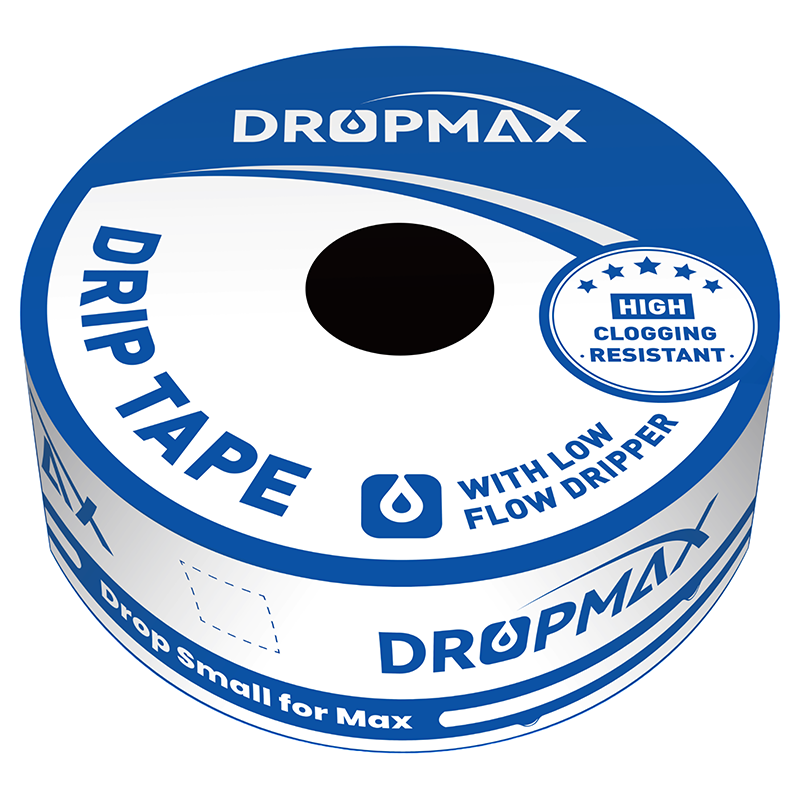

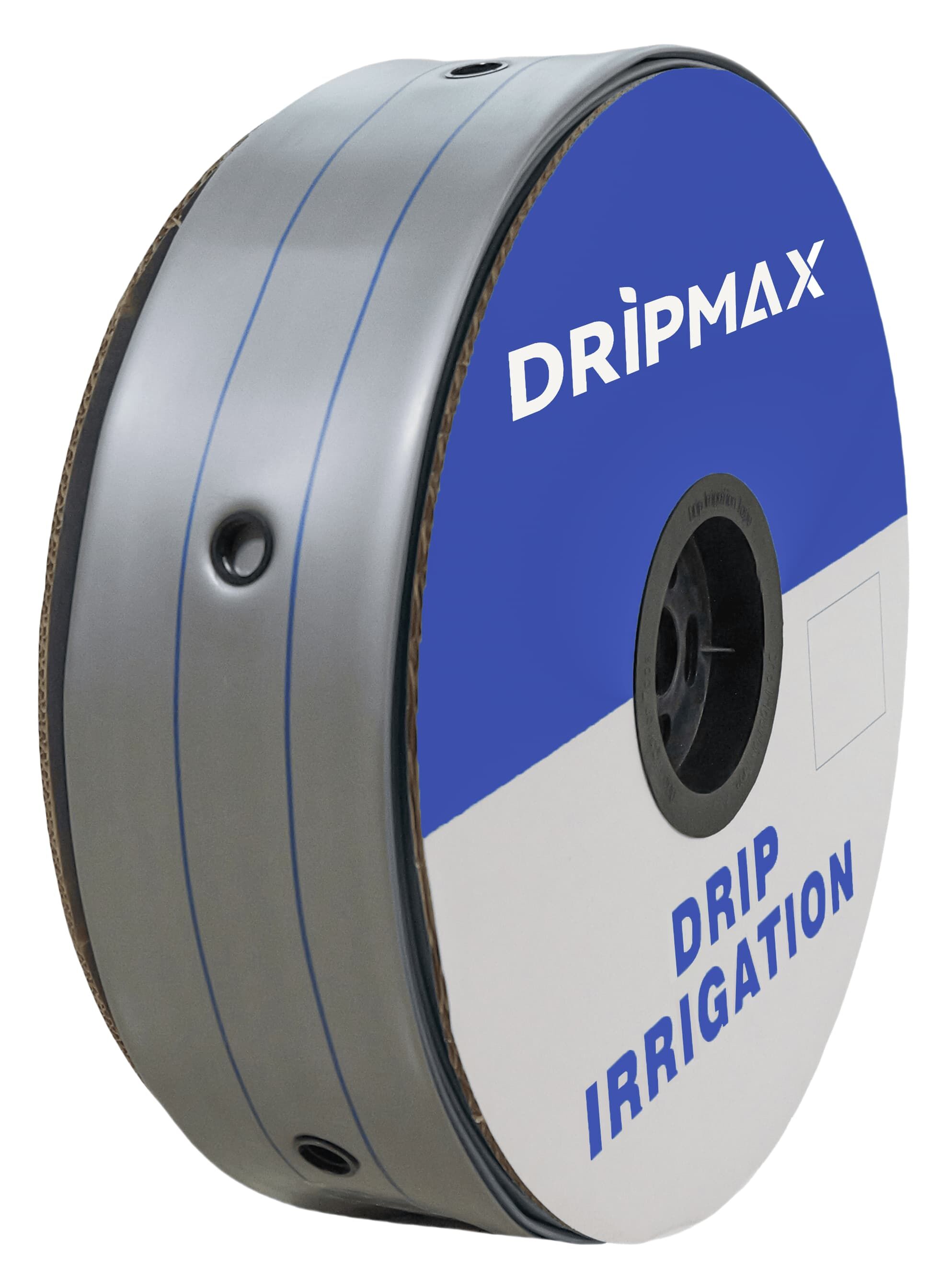
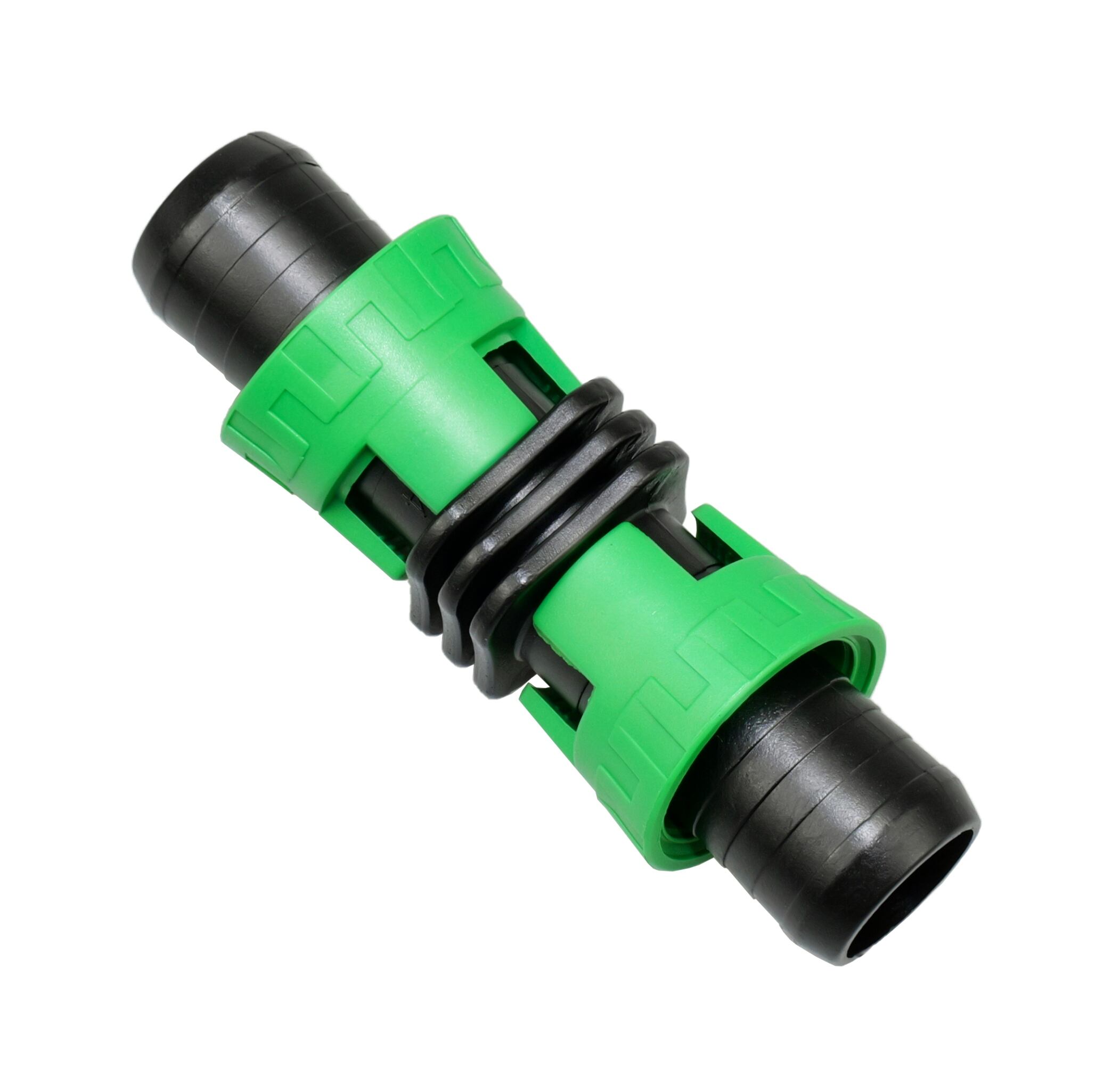
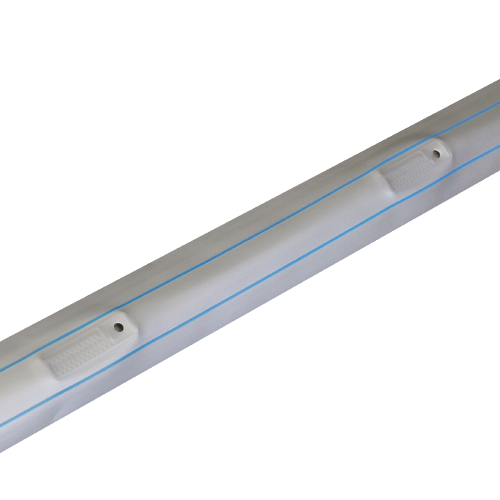
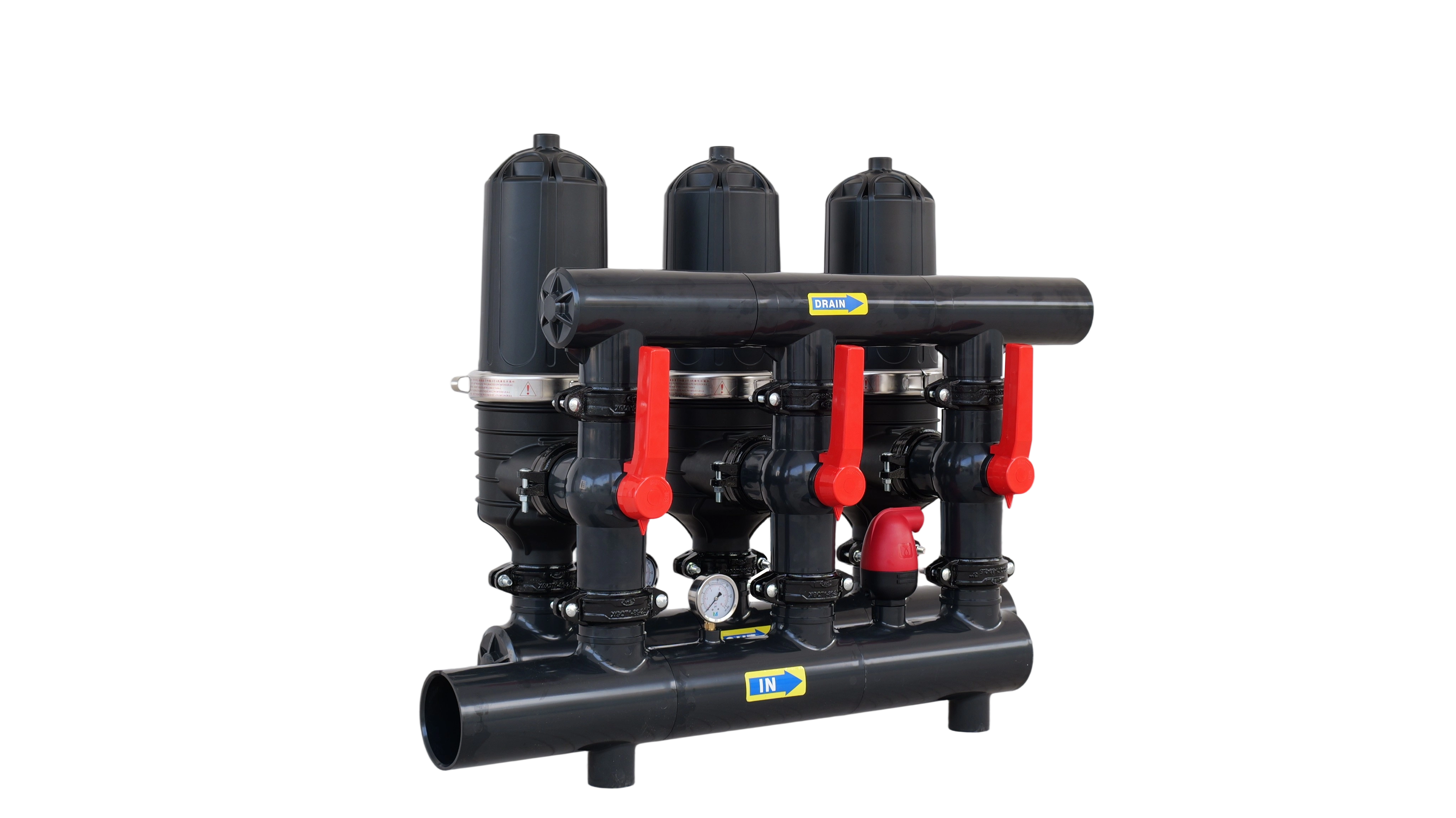
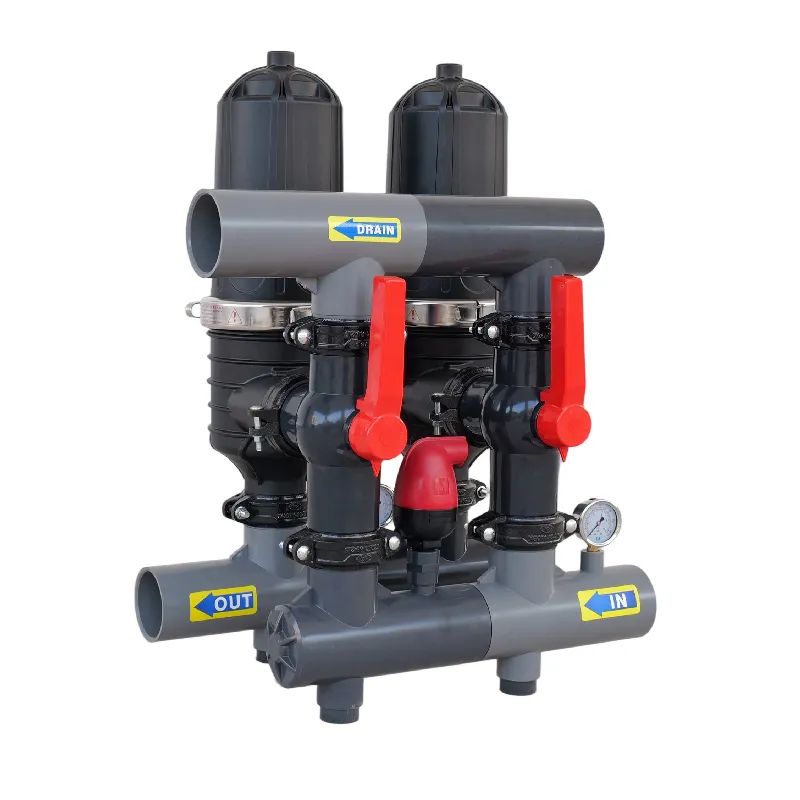
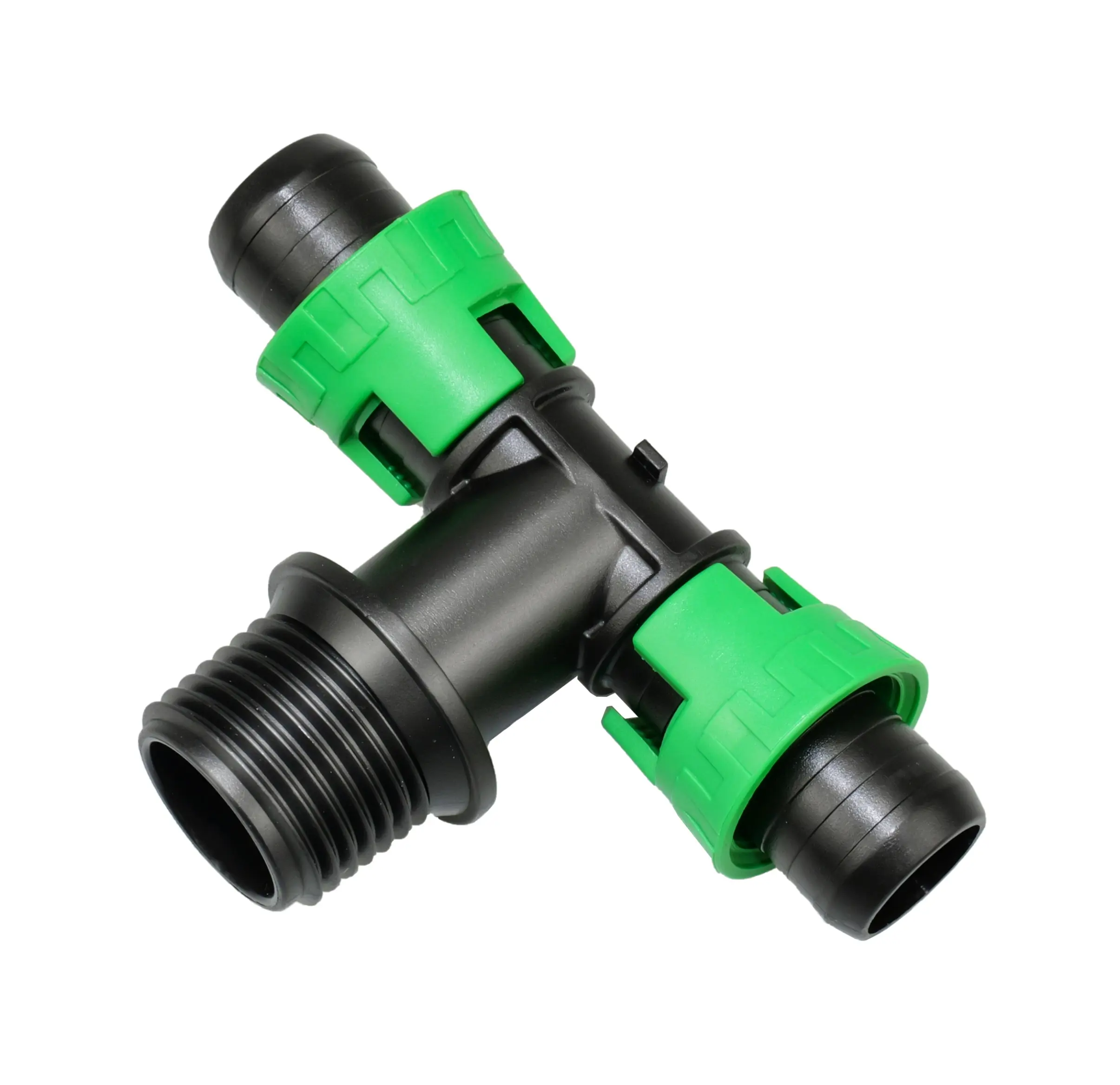
Drip irrigation pipes and fittings represent a revolutionary water management system that delivers precise amounts of water directly to plant roots through a network of tubes, emitters, and connectors. This sophisticated irrigation method consists of main supply lines, distribution pipes, lateral lines, and various specialized fittings that work together to create an efficient water delivery system. The primary function of drip irrigation pipes and fittings centers on controlled water distribution, allowing farmers and gardeners to maintain optimal soil moisture levels while minimizing water waste. The technological features of modern drip irrigation pipes and fittings include pressure-compensating emitters, self-flushing mechanisms, and anti-clog technology that ensures consistent water flow rates regardless of terrain variations or system pressure fluctuations. These components are manufactured using high-grade polyethylene materials that resist UV degradation, chemical corrosion, and physical damage from environmental factors. The pipes feature precise wall thickness specifications that maintain structural integrity under varying pressure conditions, while the fittings incorporate advanced sealing technologies that prevent leakage and ensure long-term reliability. Applications for drip irrigation pipes and fittings span across agricultural fields, greenhouse operations, landscape installations, home gardens, and commercial horticultural projects. In agricultural settings, these systems support crop production for vegetables, fruits, nuts, and field crops, enabling farmers to achieve higher yields with reduced water consumption. Greenhouse operators utilize drip irrigation pipes and fittings to maintain precise growing conditions for sensitive plants, while landscape professionals rely on these systems for efficient irrigation of ornamental plants, trees, and turf areas. The modular design of drip irrigation pipes and fittings allows for customizable configurations that adapt to various field layouts, plant spacing requirements, and topographical challenges, making them suitable for both small-scale residential applications and large commercial installations.



 EN
EN