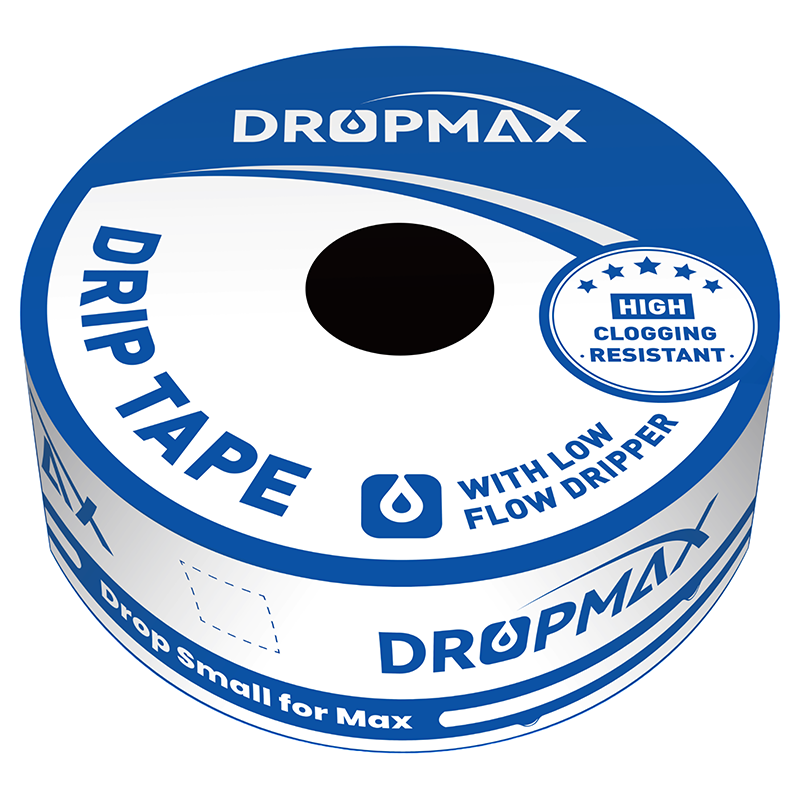

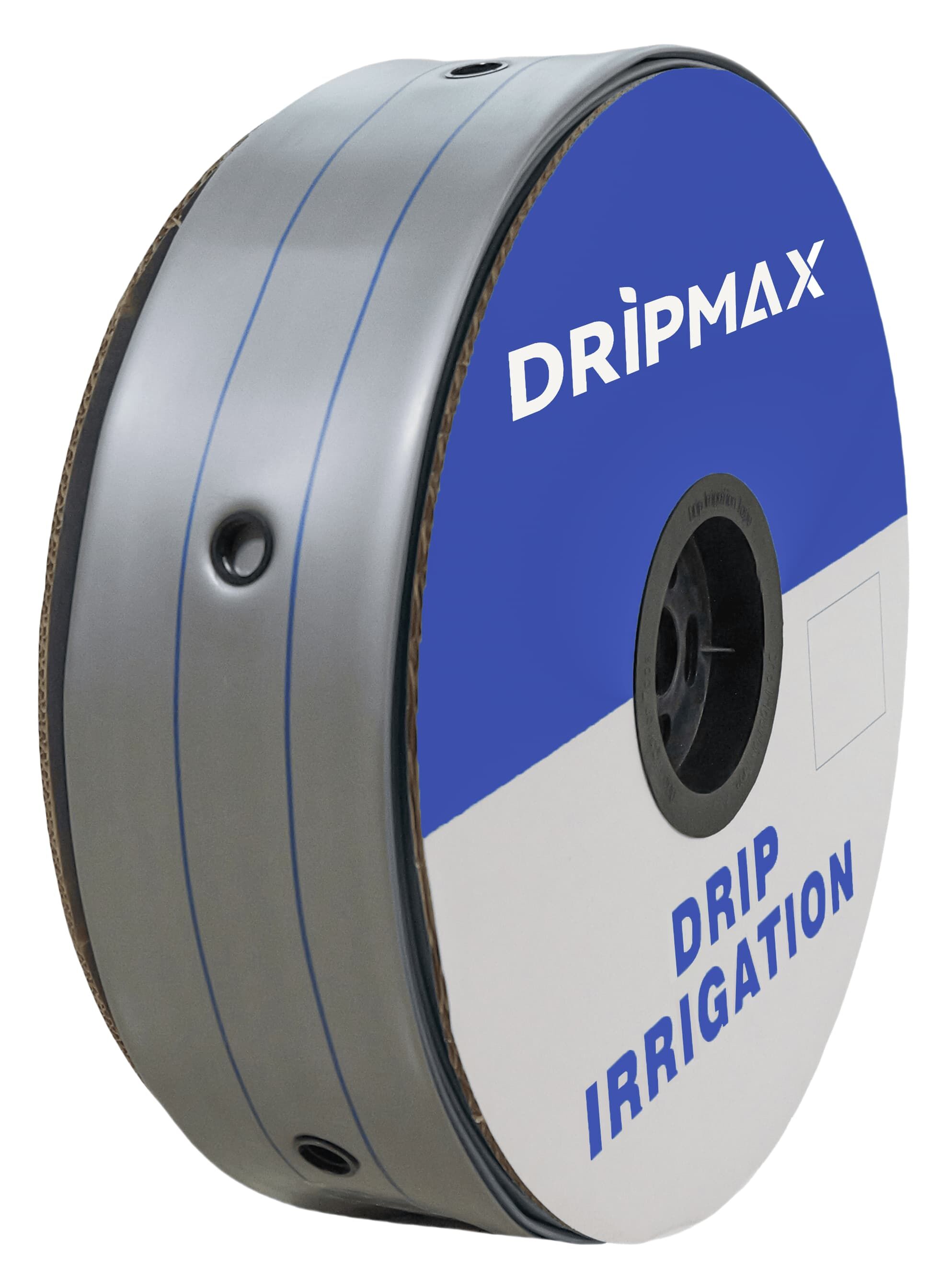
drip irrigation tape
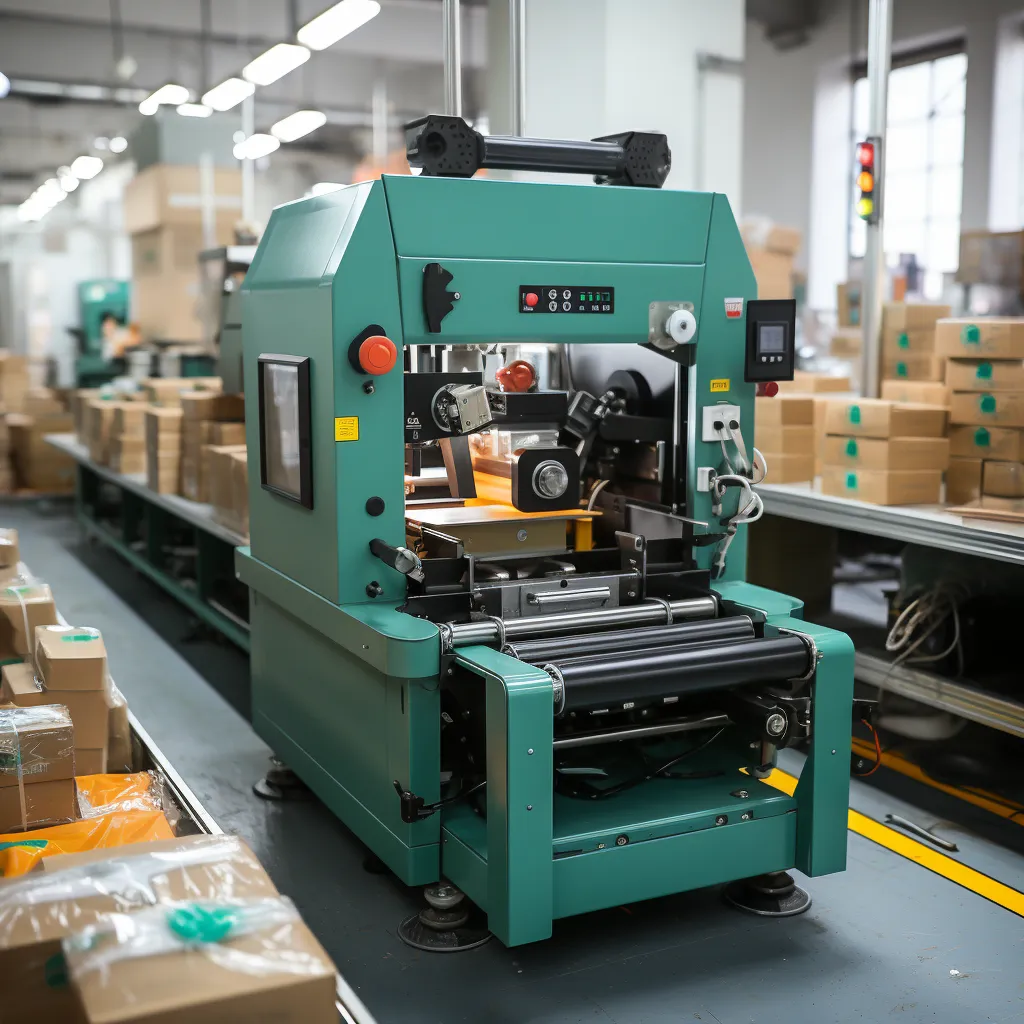
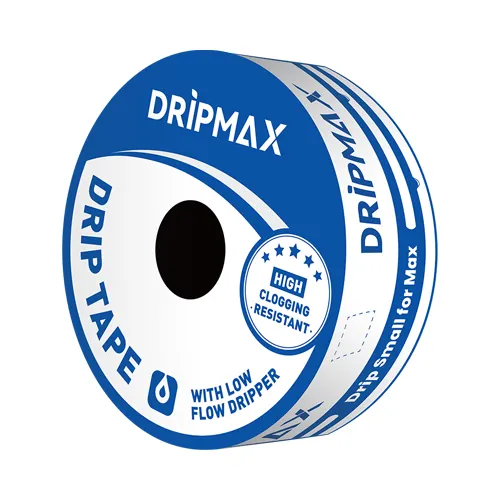
Drip irrigation tape represents a revolutionary advancement in modern agricultural water management, designed to deliver precise amounts of water directly to plant root zones with exceptional efficiency. This flexible polyethylene tubing system incorporates strategically placed emitters that release water at controlled rates, ensuring optimal moisture distribution across crop rows. The drip irrigation tape functions as a comprehensive solution for farmers seeking to maximize water conservation while maintaining superior crop yields. Its primary purpose involves delivering water and nutrients directly to plants through a network of thin-walled tubes that can be easily installed along crop rows. The technological foundation of drip irrigation tape relies on pressure-compensating mechanisms that maintain consistent flow rates regardless of terrain variations or system pressure fluctuations. Advanced manufacturing processes create uniform wall thickness and precise emitter spacing, typically ranging from 4 to 24 inches depending on crop requirements. The tape construction utilizes high-quality materials that resist clogging, UV degradation, and chemical corrosion, ensuring long-term performance in diverse agricultural environments. Modern drip irrigation tape systems incorporate inline emitters that are laser-punched or molded into the tape during production, eliminating the need for separate installation of drip points. This integration reduces labor costs and installation time while providing consistent water delivery patterns. The applications for drip irrigation tape span numerous agricultural sectors, including vegetable production, fruit cultivation, greenhouse operations, and field crop management. Commercial growers utilize this technology for tomatoes, peppers, cucumbers, strawberries, and various row crops where precise water control is essential. The system proves particularly valuable in arid regions where water conservation is critical and in areas with irregular rainfall patterns that require supplemental irrigation.


 EN
EN