drip tape fittings
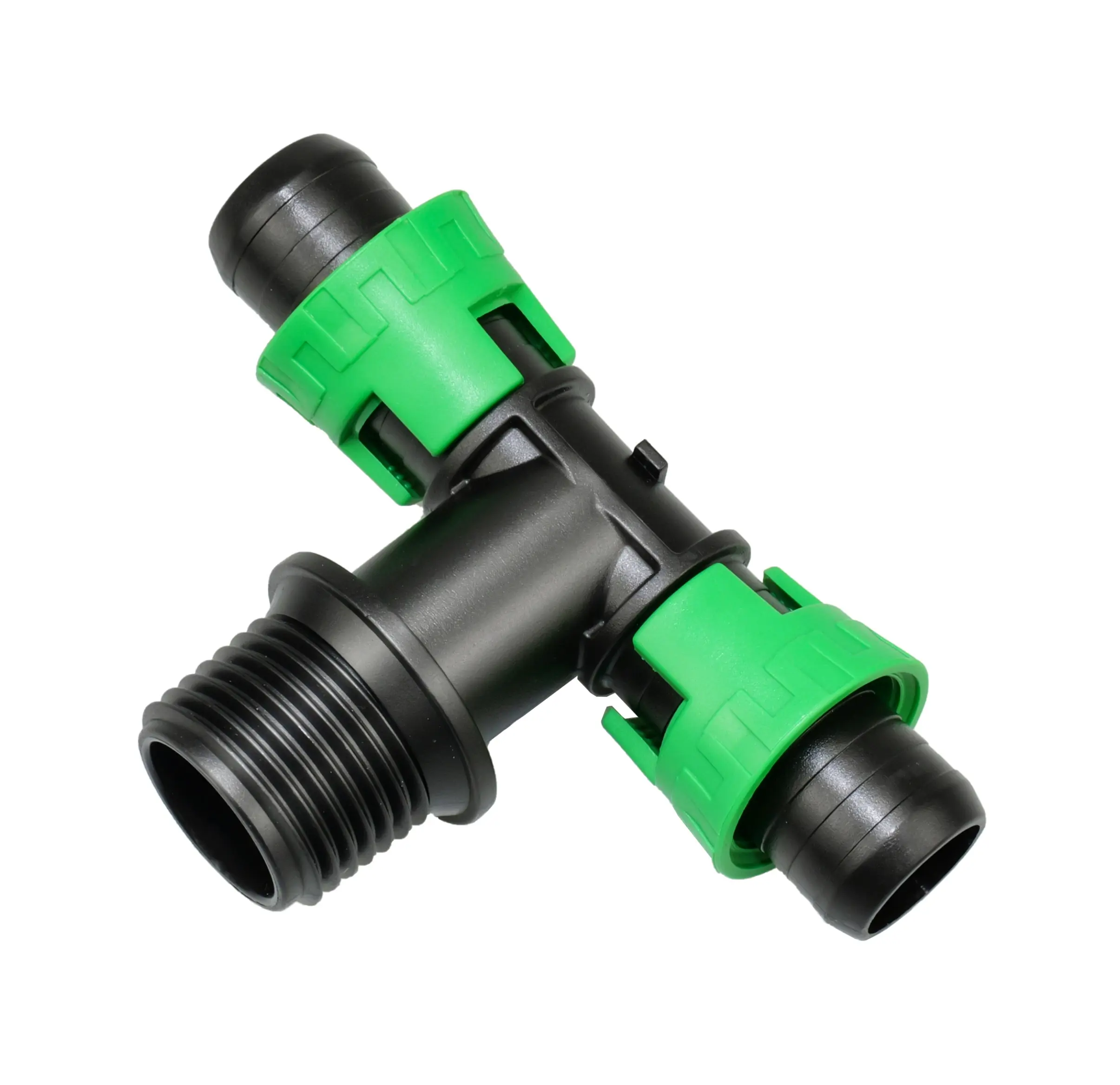
Drip tape fittings represent essential components in modern irrigation systems, serving as the critical connection points that ensure efficient water distribution throughout agricultural and landscaping applications. These specialized connectors are engineered to work seamlessly with drip irrigation tape, creating secure and leak-proof joints that maintain optimal water pressure and flow rates. The primary function of drip tape fittings involves establishing reliable connections between different sections of irrigation tape, allowing for system expansion, directional changes, and maintenance access points. Modern drip tape fittings incorporate advanced polymer materials that resist UV degradation, chemical corrosion, and temperature fluctuations, ensuring long-term durability in outdoor environments. The technological features of these fittings include precision-molded barbed ends that create tight seals when inserted into drip tape, eliminating the need for additional clamps or adhesives in most applications. Many contemporary drip tape fittings feature ergonomic designs that facilitate easy installation and removal, reducing labor costs and system downtime during maintenance procedures. The internal flow channels are optimized to minimize pressure loss and turbulence, maintaining consistent water delivery across extended irrigation networks. Advanced drip tape fittings often incorporate color-coding systems that help installers quickly identify different fitting types and sizes, reducing installation errors and improving overall system reliability. These components find extensive applications in greenhouse operations, field crop irrigation, landscaping projects, and residential garden systems. Commercial agricultural operations rely on drip tape fittings to create extensive irrigation networks that can cover hundreds of acres while maintaining precise water control. The fittings enable farmers to customize their irrigation layouts according to crop patterns, soil conditions, and topographical challenges, maximizing water efficiency and crop yields.

 EN
EN