drip tape irrigation systems
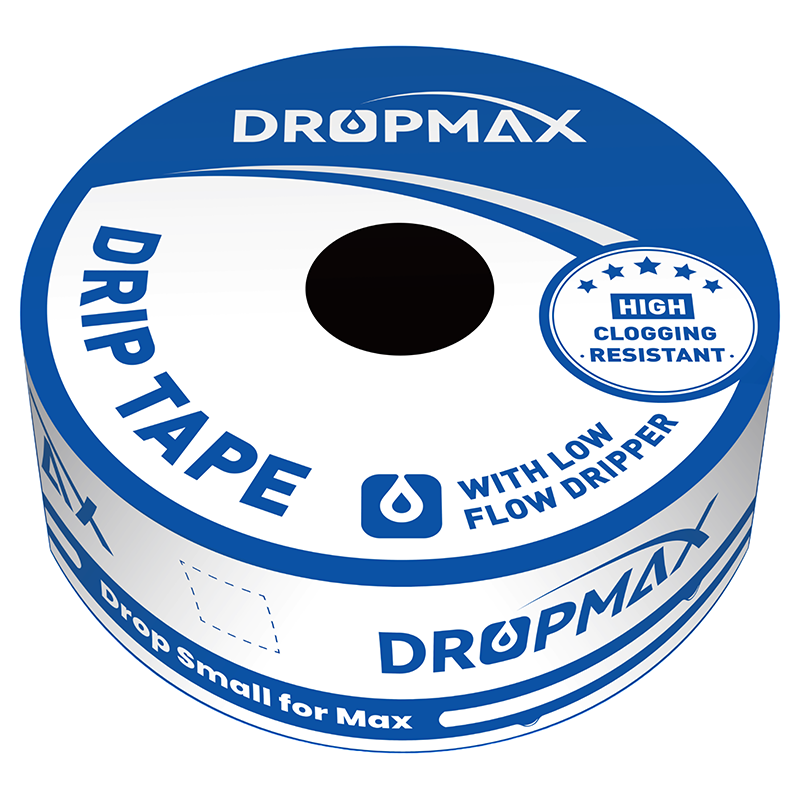

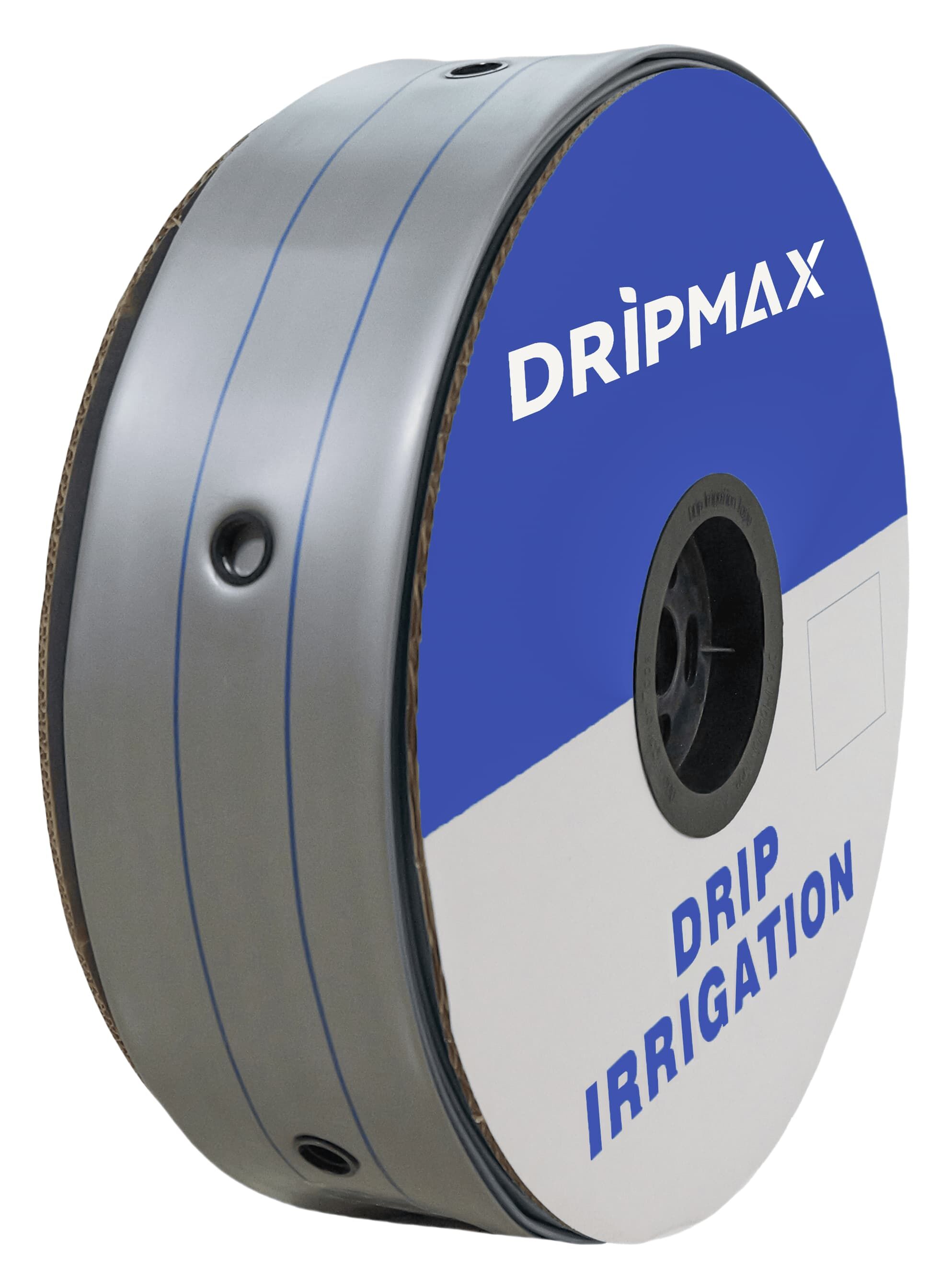
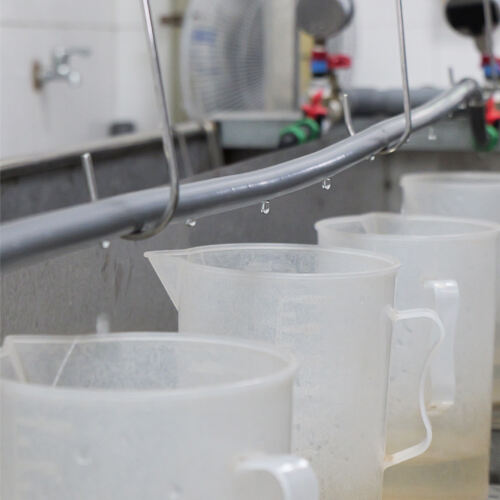
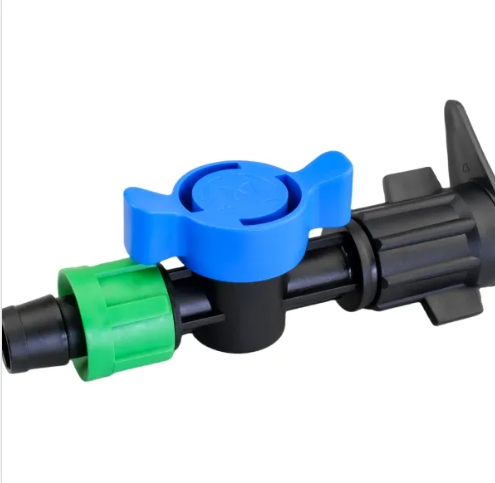
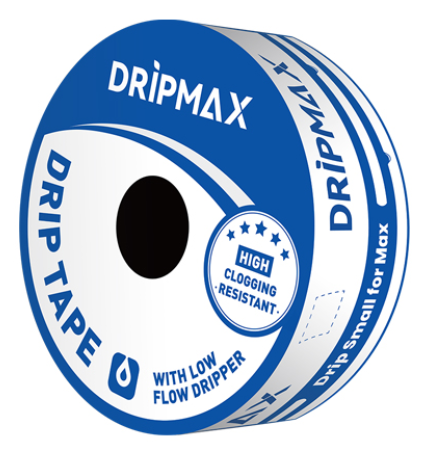
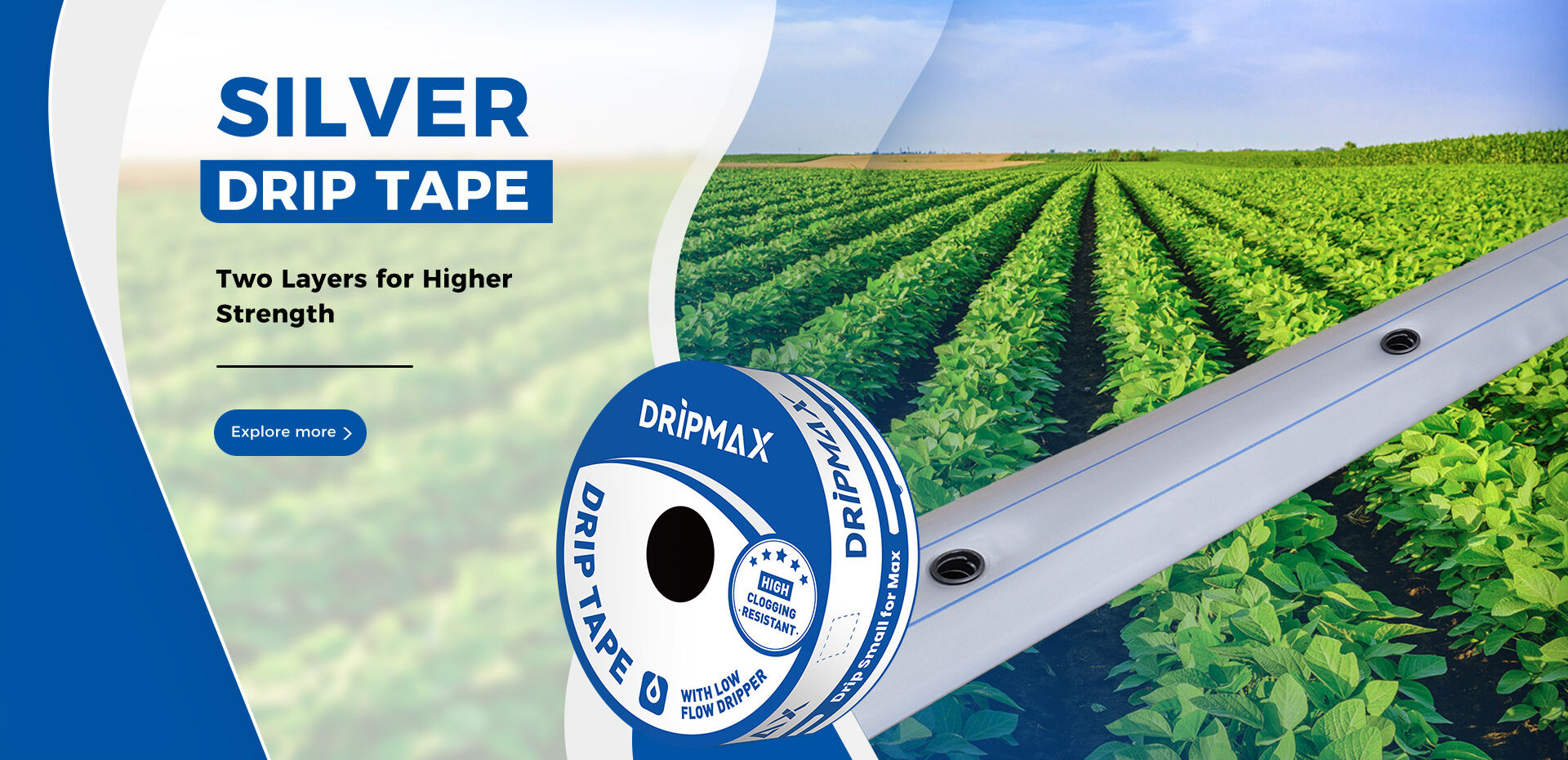
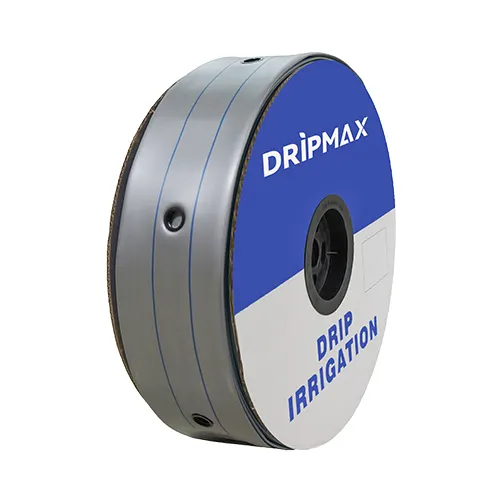
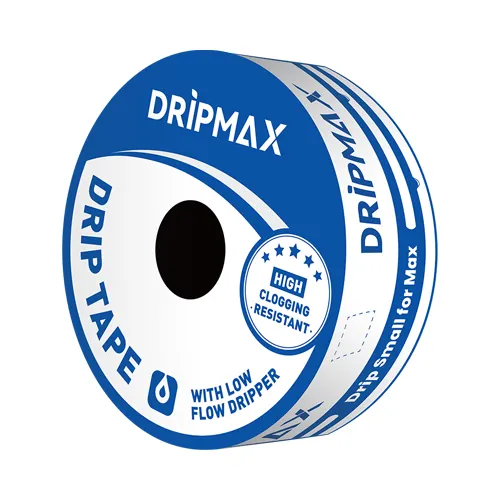
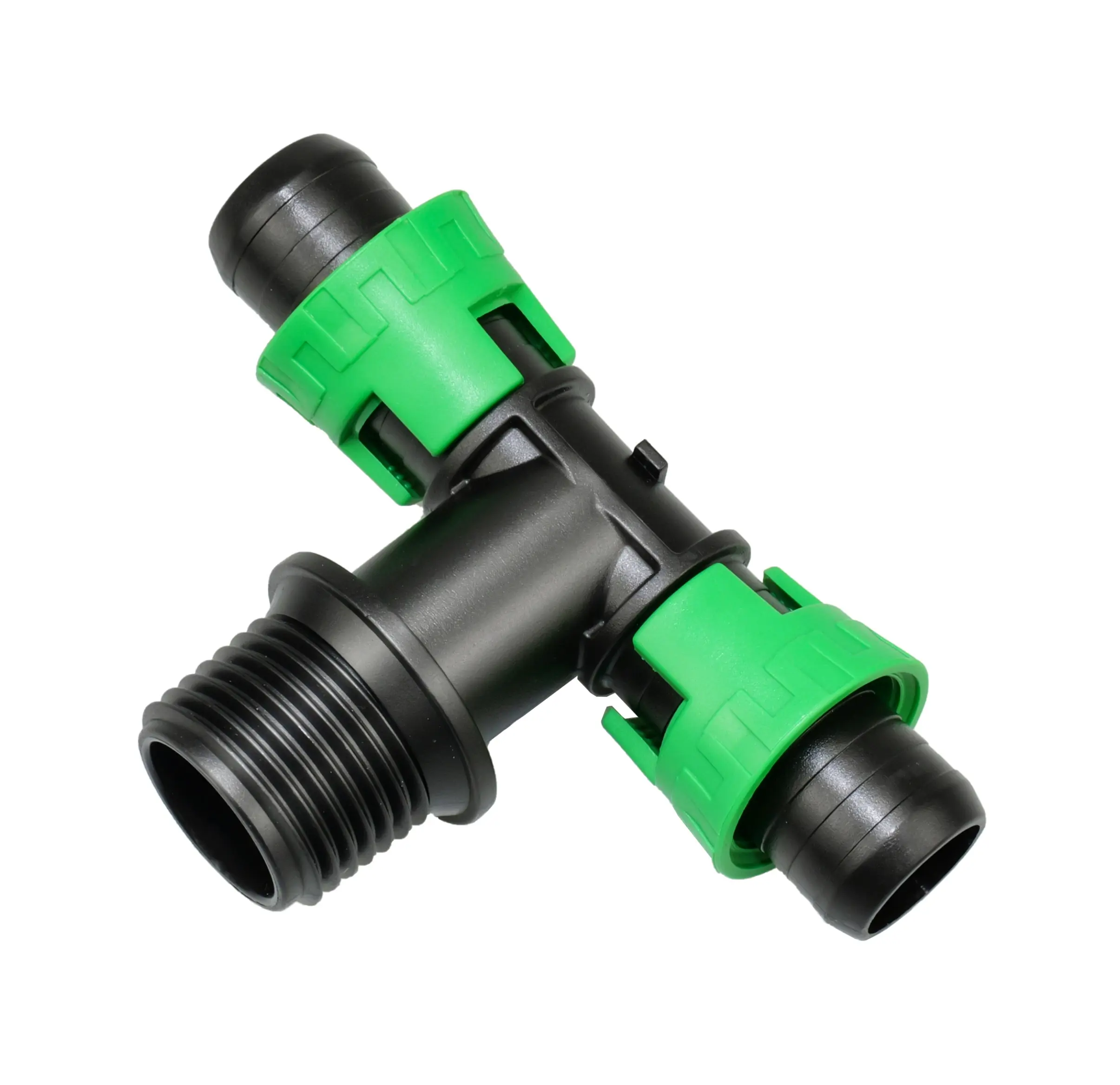
Drip tape irrigation systems represent a revolutionary approach to precision agriculture, delivering water and nutrients directly to plant root zones through thin-walled plastic tubing embedded with emitters at predetermined intervals. These systems function by distributing water through a network of mainlines, sub-mains, and drip tapes that release water at controlled flow rates, typically ranging from 0.2 to 2.0 gallons per minute per 100 feet. The technological foundation of drip tape irrigation systems relies on pressure-compensating emitters, filtration units, and pressure regulation devices that maintain consistent water delivery across varying terrain conditions. Modern drip tape irrigation systems incorporate advanced materials like polyethylene with UV stabilizers, ensuring durability and longevity in harsh agricultural environments. The emitter spacing varies from 4 to 24 inches depending on crop requirements and soil characteristics, allowing precise customization for different agricultural applications. These systems excel in row crop cultivation, including vegetables, fruits, cotton, and specialty crops where uniform moisture distribution is critical for optimal yields. The technological features include self-flushing capabilities, clog-resistant emitter designs, and integrated fertilizer injection systems that enable fertigation practices. Installation procedures for drip tape irrigation systems involve laying tapes either on soil surfaces or buried at shallow depths, connected to water sources through pressure-regulated distribution networks. The operational pressure typically ranges from 8 to 15 PSI, significantly lower than traditional sprinkler systems, reducing energy consumption and operational costs. Agricultural applications span from small-scale vegetable production to large commercial farming operations, greenhouse cultivation, and landscape irrigation projects. The versatility of drip tape irrigation systems makes them suitable for diverse soil types, crop varieties, and climatic conditions, providing farmers with reliable water management solutions that enhance productivity while conserving precious water resources.

 EN
EN