Premium Drip Tape Irrigation Systems - Efficient Water Delivery for Modern Agriculture

All Categories

Get a Free Quote

Our representative will contact you soon.
Email
Name
Whats App
Message
0/1000

drip tape

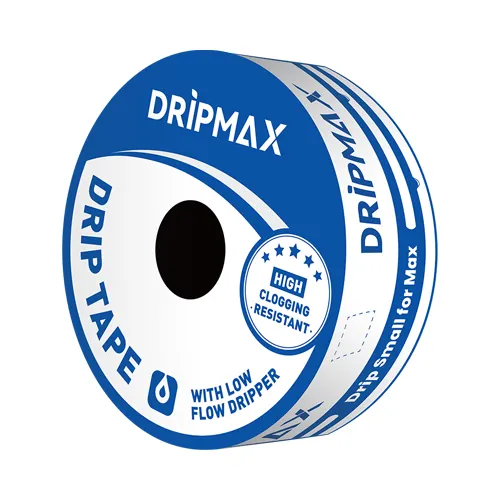
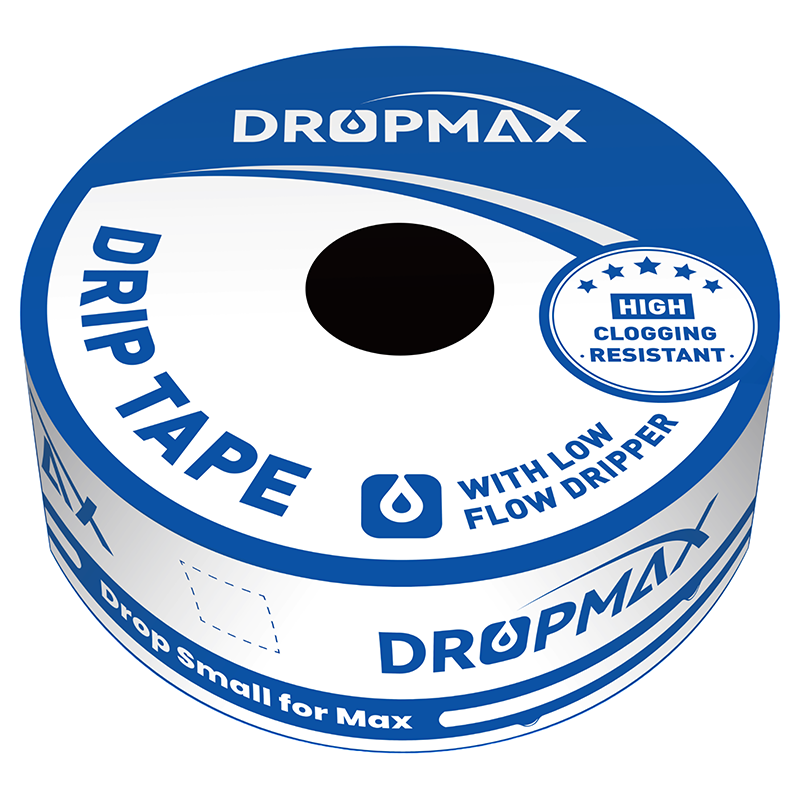

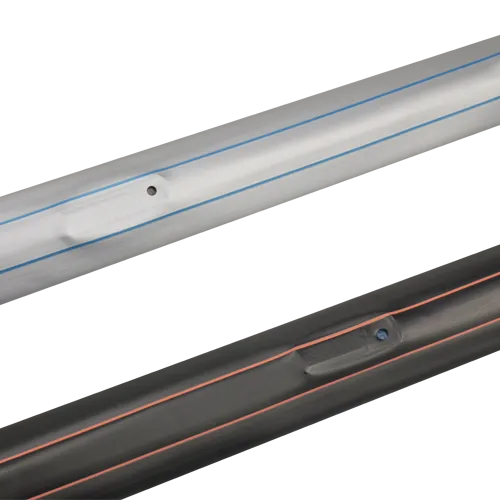
Drip tape represents a revolutionary advancement in modern irrigation technology, designed to deliver precise water and nutrient distribution directly to plant root zones. This innovative irrigation system consists of thin-walled polyethylene tubing embedded with pre-spaced emitters that release water at controlled rates. The drip tape operates on low-pressure principles, making it an efficient solution for agricultural operations ranging from small gardens to large commercial farms. The technology behind drip tape involves sophisticated manufacturing processes that create uniform emitter spacing and consistent flow rates throughout the entire length of the tubing. Each emitter within the drip tape is engineered to deliver specific water volumes, typically measured in gallons per hour per hundred feet, ensuring optimal moisture levels for different crop requirements. The main functions of drip tape include water conservation through targeted delivery, reduced weed growth by limiting surface water distribution, and enhanced nutrient uptake through precise fertilizer application. Technological features encompass self-flushing emitters that resist clogging, UV-resistant materials for extended outdoor durability, and pressure-compensating designs that maintain consistent flow rates across varying terrain elevations. The applications of drip tape span numerous agricultural sectors, including row crops like tomatoes, peppers, and lettuce, fruit orchards, vineyard installations, and greenhouse operations. Commercial vegetable production particularly benefits from drip tape systems due to their ability to maintain consistent soil moisture while reducing labor costs associated with traditional sprinkler systems. The versatility of drip tape extends to landscape applications, garden beds, and even residential vegetable gardens where water efficiency is paramount. Installation flexibility allows for seasonal deployment and removal, making drip tape ideal for annual crop rotations and temporary growing operations.

New Products

The advantages of drip tape extend far beyond simple water delivery, offering comprehensive benefits that transform agricultural productivity and resource management. Water conservation stands as the primary advantage, with drip tape systems reducing water usage by up to 50 percent compared to conventional sprinkler irrigation. This remarkable efficiency stems from the targeted delivery method that places water directly at plant roots, eliminating waste from evaporation and runoff. Farmers experience significant cost savings through reduced water bills, lower energy consumption for pumping, and decreased labor requirements for system maintenance and operation. The precision delivery of drip tape creates optimal growing conditions by maintaining consistent soil moisture levels, which directly translates to improved crop yields and higher quality produce. Plants grown with drip tape systems exhibit stronger root development, enhanced nutrient absorption, and reduced stress from moisture fluctuations. Disease prevention represents another crucial advantage, as drip tape keeps foliage dry by delivering water below the plant canopy, significantly reducing fungal infections and bacterial diseases that thrive in moist leaf environments. Weed suppression occurs naturally with drip tape systems since water delivery is localized to planted areas, leaving spaces between rows relatively dry and inhospitable to weed germination. This targeted approach reduces herbicide dependency and manual weeding labor, contributing to more sustainable farming practices. Fertilizer efficiency improves dramatically with drip tape installations, as liquid nutrients can be injected directly into the irrigation system, ensuring precise application rates and optimal plant uptake. The flexibility of drip tape systems allows farmers to customize watering schedules based on specific crop needs, growth stages, and weather conditions. Installation proves straightforward and cost-effective, requiring minimal specialized equipment and enabling quick setup across large agricultural areas. Maintenance requirements remain minimal due to the robust design and self-cleaning emitter technology, reducing long-term operational costs and system downtime.

Tips And Tricks

Low-Flow Drip Irrigation: A Game-Changer for Efficient Water Use in Modern Agriculture

12

Dec

Low-Flow Drip Irrigation: A Game-Changer for Efficient Water Use in Modern Agriculture

View More
Reinforced Drip Tape for Sloped Terrain Farming Applications

23

Jul

Reinforced Drip Tape for Sloped Terrain Farming Applications

Explore the challenges of slope irrigation with drip tape, focusing on gravity's impact, runoff risks, pressure management, and effective solutions like pressure-compensating emitters. Perfect resource for improving agricultural efficiency on sloped terrain.
View More
What Are the Main Benefits of Agricultural Irrigation Systems?

29

Aug

What Are the Main Benefits of Agricultural Irrigation Systems?

View More
What Is Drip Irrigation and How Does It Work?

29

Aug

What Is Drip Irrigation and How Does It Work?

View More

Get a Free Quote

Our representative will contact you soon.
Email
Name
Company Name
Message
0/1000

drip tape

Advanced Emitter Technology for Superior Performance

Advanced Emitter Technology for Superior Performance

The heart of every drip tape system lies in its sophisticated emitter technology, which represents years of engineering innovation and precision manufacturing. These emitters are strategically embedded within the tape at predetermined intervals, typically ranging from 4 to 24 inches depending on crop requirements and soil conditions. The advanced design incorporates pressure-compensating mechanisms that ensure uniform water distribution regardless of field topography or system pressure variations. Each emitter features a labyrinth flow path that creates turbulent water flow, promoting self-cleaning action that prevents clogging from sediments and organic matter. This self-flushing capability significantly extends the operational lifespan of drip tape systems and reduces maintenance interventions. The emitter construction utilizes specialized materials that resist chemical degradation from fertilizers and soil treatments, maintaining consistent performance throughout multiple growing seasons. Flow rate precision is achieved through micro-molding techniques that create exact orifice dimensions, ensuring predictable water delivery rates that farmers can rely on for irrigation planning. The pressure regulation within each emitter compensates for elevation changes across fields, delivering uniform water volumes to crops planted on sloping terrain. This technology eliminates the dry spots and over-watered areas common in traditional irrigation systems. Temperature compensation features prevent flow rate variations caused by seasonal temperature fluctuations, maintaining consistent performance from spring planting through fall harvest. The compact size of these emitters allows for flexible installation options while maintaining the structural integrity of the drip tape. Quality control measures during manufacturing ensure that each emitter meets strict performance specifications, providing farmers with reliable and predictable irrigation results. The advanced emitter technology also incorporates anti-siphon features that prevent soil contamination of the water supply when systems are shut down.
Exceptional Durability and Weather Resistance

Exceptional Durability and Weather Resistance

Drip tape systems are engineered to withstand the harsh conditions of agricultural environments, incorporating advanced materials and construction techniques that ensure long-lasting performance and reliability. The polyethylene construction utilizes high-grade resins specifically formulated for outdoor applications, providing excellent resistance to ultraviolet radiation, temperature extremes, and chemical exposure. UV stabilizers are integrated throughout the material matrix, preventing degradation from prolonged sun exposure that would otherwise cause brittleness and premature failure. The wall thickness of drip tape is carefully calibrated to provide optimal flexibility for field installation while maintaining sufficient strength to resist punctures and tears from field operations. Tear resistance is enhanced through specialized manufacturing processes that align polymer chains for maximum tensile strength, allowing the tape to flex around obstacles without compromising integrity. Chemical resistance properties protect against common agricultural chemicals, including fertilizers, pesticides, and soil amendments that could otherwise cause material degradation. The smooth interior surface of drip tape reduces friction losses and prevents sediment accumulation that could lead to emitter clogging. Freeze-thaw resistance enables year-round installation in varying climatic conditions, with the flexible material expanding and contracting without cracking or splitting. The lightweight nature of drip tape facilitates easy handling and installation while maintaining the structural properties necessary for field operations. Puncture resistance is achieved through careful material selection and thickness optimization, providing protection against field debris and equipment contact. The tape design incorporates stress distribution features that prevent failure propagation from localized damage points. Quality assurance testing includes accelerated aging studies that simulate years of field exposure, ensuring predictable performance under real-world conditions. Environmental stress cracking resistance prevents failure in high-stress installation environments, maintaining system integrity throughout the growing season.
Versatile Installation and Crop Compatibility

Versatile Installation and Crop Compatibility

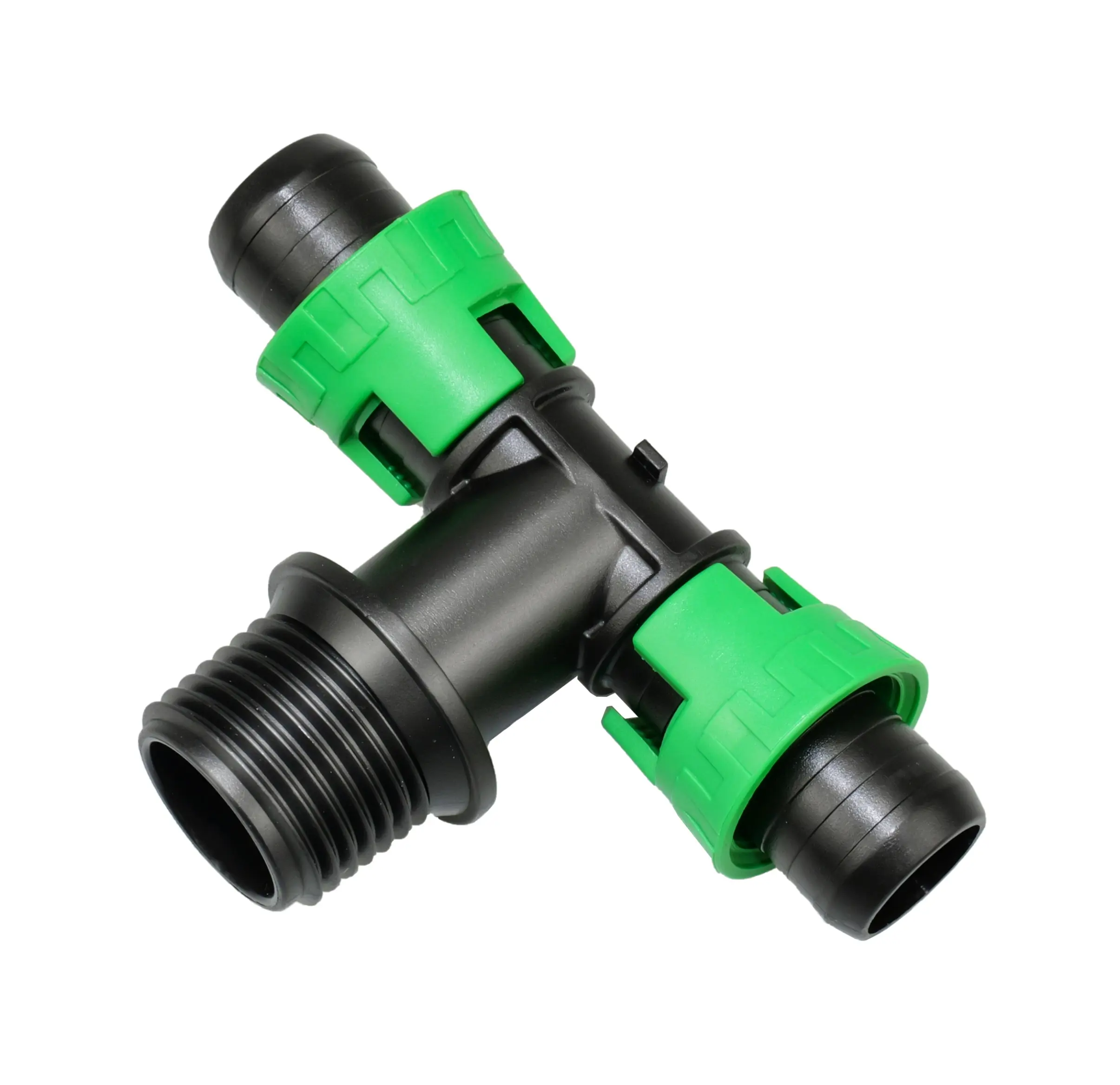
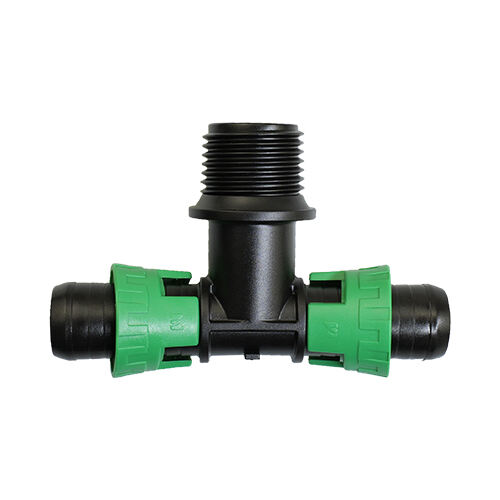
The versatility of drip tape systems makes them suitable for an extensive range of crops, growing conditions, and agricultural applications, providing farmers with flexible solutions for diverse irrigation needs. Row crop compatibility encompasses vegetables such as tomatoes, peppers, cucumbers, beans, and leafy greens, with customizable emitter spacing to match specific plant populations and root zone requirements. Fruit production benefits significantly from drip tape installations, including strawberries, melons, and small fruit crops where precise water control enhances fruit quality and reduces disease pressure. The adaptability of drip tape systems extends to greenhouse operations, where controlled environment agriculture demands precise moisture management for optimal plant growth and resource efficiency. Installation flexibility allows for surface placement, shallow burial, or subsurface installation depending on crop requirements, soil conditions, and farming practices. The lightweight design enables easy deployment across large acreages with minimal labor requirements, reducing installation costs and setup time. Seasonal removal capabilities make drip tape ideal for annual crop rotations, allowing farmers to reconfigure irrigation systems based on changing crop plans and field layouts. Spacing customization accommodates various plant populations, from densely planted vegetables to widely spaced vine crops, ensuring optimal water distribution for each application. The system adapts to different soil types, from sandy soils requiring frequent irrigation to clay soils needing longer, less frequent watering cycles. Slope tolerance allows installation on varied terrain without compromising water distribution uniformity, making drip tape suitable for hillside cultivation and irregular field shapes. Multiple crop zones can be served by a single drip tape system through zone valves and pressure regulation, enabling farmers to irrigate different crops with varying water requirements simultaneously. The compatibility with fertigation systems allows simultaneous water and nutrient delivery, optimizing plant nutrition while reducing application labor. Connection options include various fittings and adapters that integrate with existing irrigation infrastructure, facilitating system upgrades and expansions without major modifications to current equipment.
Get a Free Quote

Our representative will contact you soon.
Email
Name
Company Name
Message
0/1000