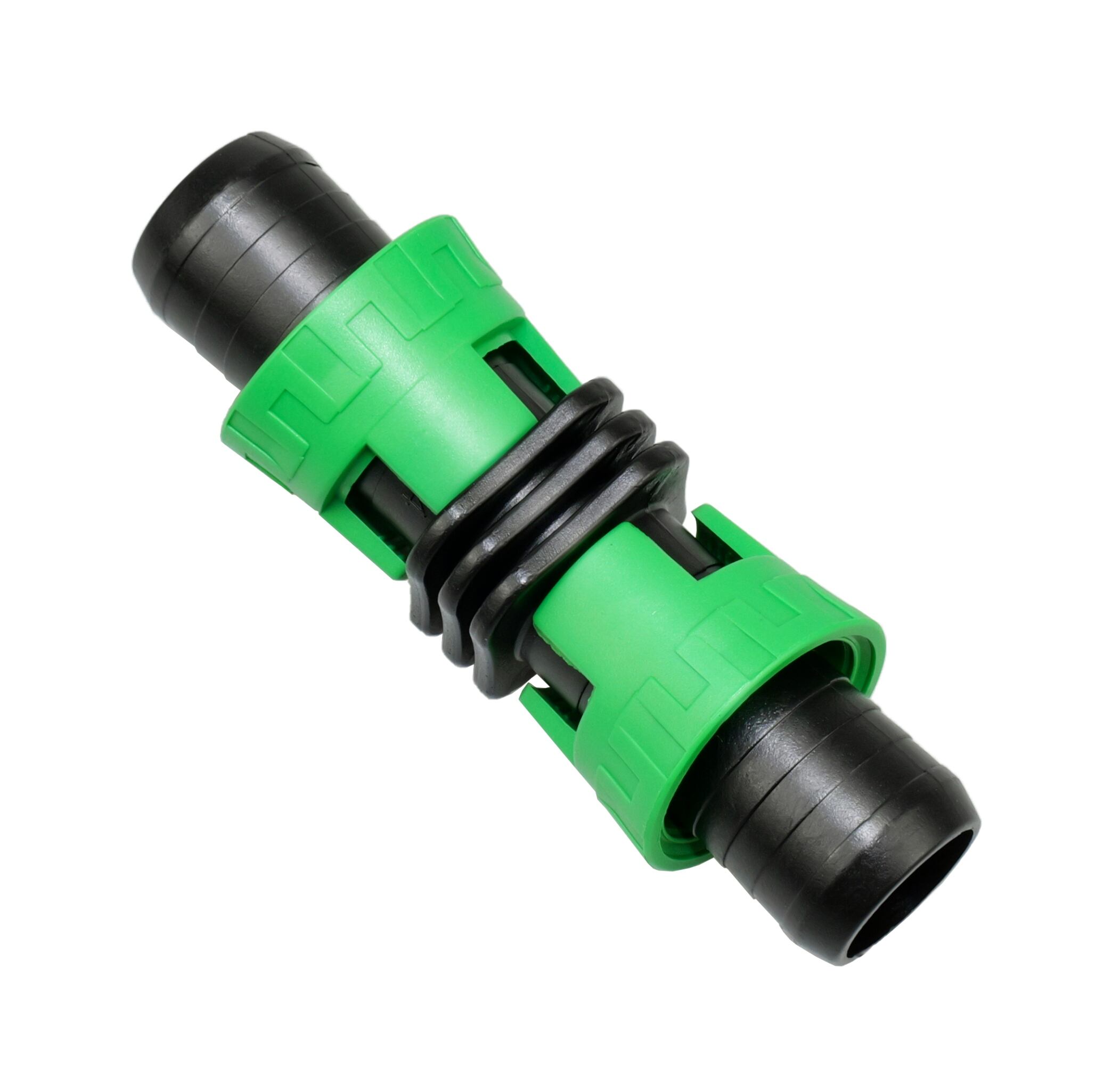
Complete Guide to Tape Drip Irrigation: Benefits, Features, and Applications for Modern Farming

All Categories

Get a Free Quote

Our representative will contact you soon.
Email
Name
Whats App
Message
0/1000

tape drip irrigation

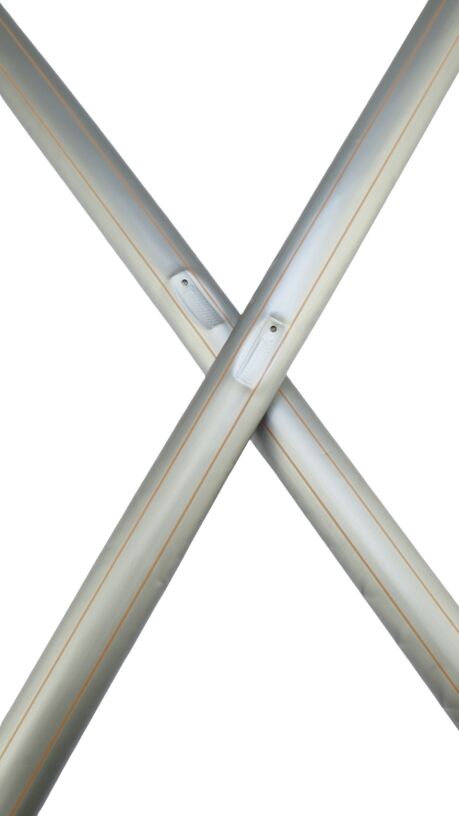
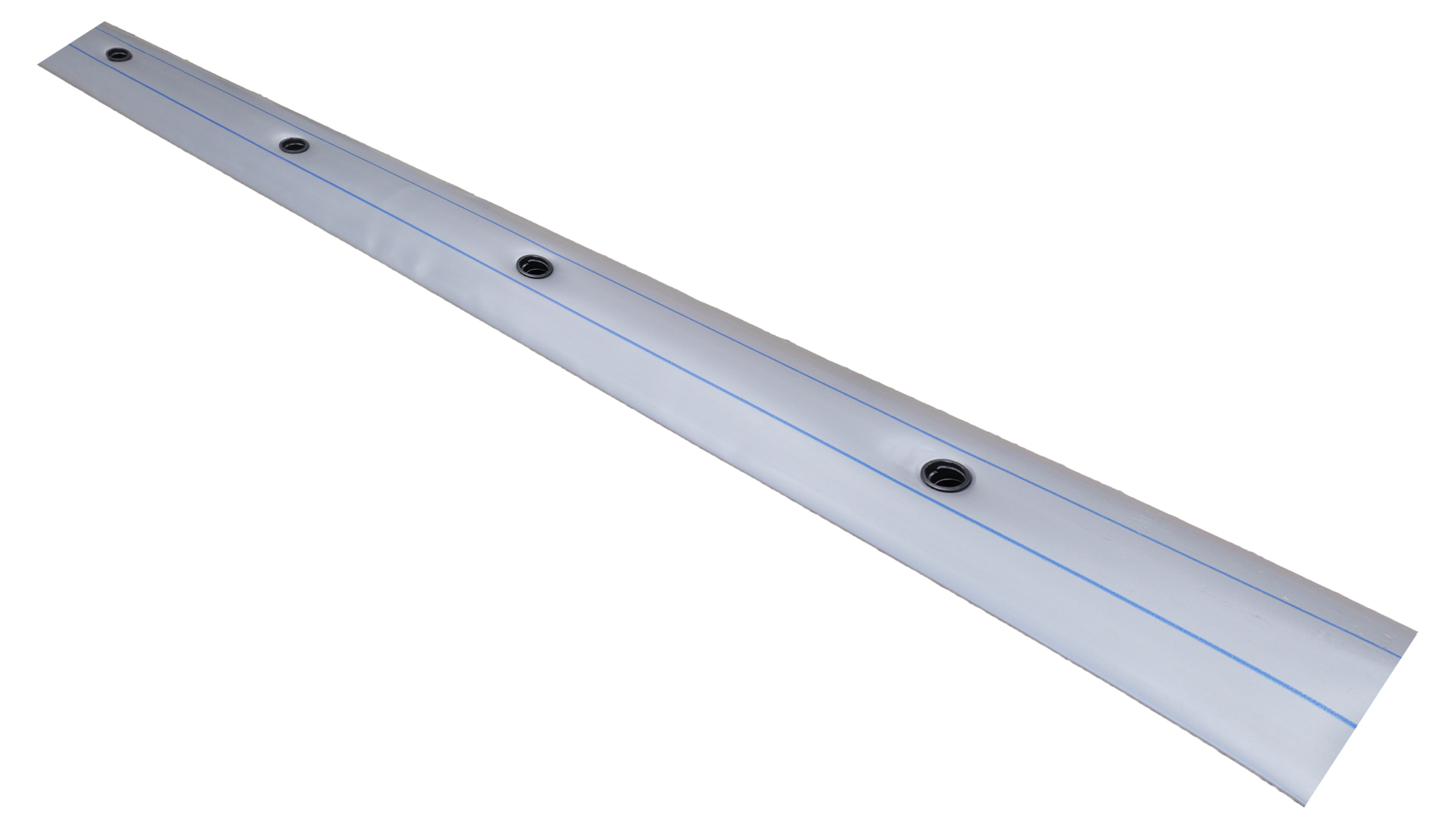
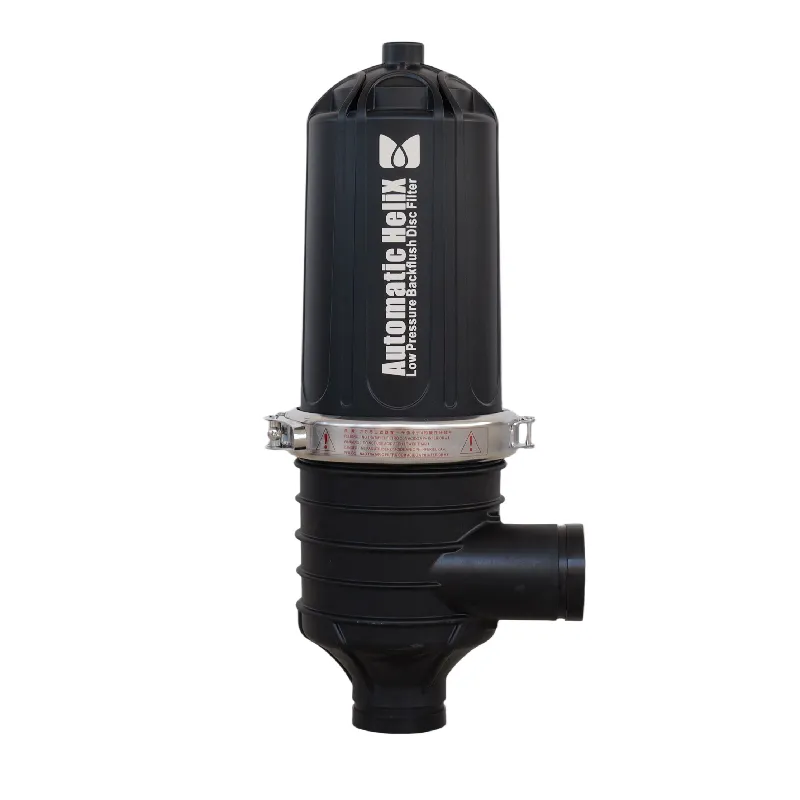
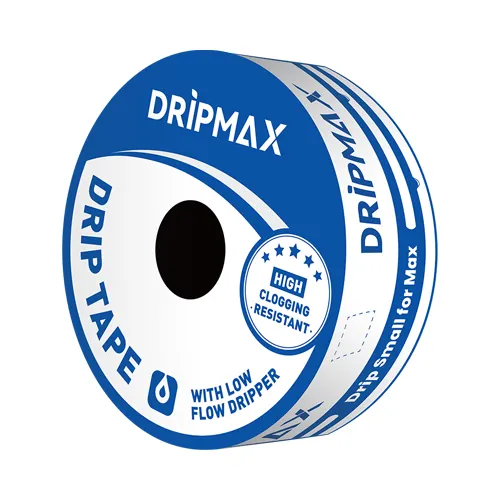

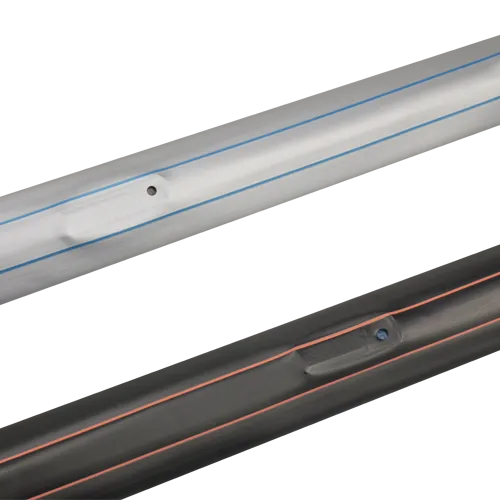
Tape drip irrigation represents a revolutionary advancement in modern agricultural water management, delivering precise hydration directly to plant root zones through perforated tape systems. This innovative technology consists of thin-walled polyethylene tubes with pre-punched holes or built-in emitters that release water at controlled rates along the entire length of the tape. The system operates under low pressure, typically between 8-15 PSI, making it energy-efficient and cost-effective for farmers of all scales. The tape drip irrigation method transforms traditional farming practices by eliminating water waste through evaporation and runoff while ensuring optimal soil moisture levels. Key technological features include uniform water distribution patterns, adjustable flow rates ranging from 0.25 to 1.0 gallons per hour per 100 feet, and spacing options between 4 to 24 inches depending on crop requirements. The tape material incorporates UV stabilizers and anti-clogging additives to ensure durability and consistent performance throughout growing seasons. Installation involves laying the tape along crop rows, connecting to main distribution lines, and integrating with filtration systems to prevent debris accumulation. The system accommodates various terrain types, from flat fields to sloped agricultural lands, through pressure-compensating designs that maintain uniform water delivery regardless of elevation changes. Modern tape drip irrigation systems feature smart controls, timers, and moisture sensors that automate watering schedules based on soil conditions and weather patterns. This technology supports sustainable farming practices by reducing water consumption up to 50% compared to conventional sprinkler systems while maintaining or increasing crop yields. The versatility of tape drip irrigation extends to greenhouse applications, field crops, vegetable production, and specialty farming operations, making it an essential tool for contemporary agricultural success.

New Products

Tape drip irrigation delivers exceptional water conservation benefits that directly impact your bottom line and environmental footprint. You achieve up to 60% water savings compared to traditional irrigation methods because water reaches plant roots directly without losses from wind drift or surface evaporation. This precision targeting means every drop counts toward plant growth rather than watering weeds or bare soil areas. Your crops receive consistent moisture levels that promote healthier root development and reduce plant stress during critical growth periods. The system eliminates overwatering issues that often lead to fungal diseases and nutrient leaching, protecting both plant health and soil quality. Installation costs remain significantly lower than permanent sprinkler systems since tape drip irrigation requires minimal infrastructure and can be easily modified for different crop layouts. You experience reduced labor requirements because automated systems handle watering schedules without constant monitoring or manual adjustments. Energy consumption drops dramatically due to low-pressure operation that reduces pumping costs and extends equipment lifespan. The system prevents soil compaction that occurs with heavy sprinkler equipment, maintaining optimal growing conditions for root expansion. Weed growth decreases substantially because water delivery targets only crop areas, leaving pathways and uncultivated spaces dry. Fertilizer efficiency improves through fertigation capabilities that deliver nutrients directly through the irrigation system, ensuring precise application rates and reducing chemical waste. You gain better control over soil salinity levels because targeted watering prevents salt accumulation in root zones. Harvest quality improves due to consistent soil moisture that prevents fruit cracking, improves size uniformity, and enhances flavor development. The system adapts to irregular field shapes and varying crop spacing without requiring major modifications or additional equipment. Weather independence increases because you maintain optimal watering schedules regardless of rainfall patterns or wind conditions. Long-term soil health benefits include improved structure, enhanced microbial activity, and reduced erosion risks. Return on investment typically occurs within two growing seasons through combined savings in water costs, labor expenses, and increased crop yields that justify the initial system investment.

Tips And Tricks

Low-Flow Drip Irrigation: A Game-Changer for Efficient Water Use in Modern Agriculture

12

Dec

Low-Flow Drip Irrigation: A Game-Changer for Efficient Water Use in Modern Agriculture

View More
Small Products Play a Crucial Role in Drip Irrigation Systems: Lock Ring Connectors for Drip Tape

15

Apr

Small Products Play a Crucial Role in Drip Irrigation Systems: Lock Ring Connectors for Drip Tape

View More
How Layflat Hose Enhances Water Distribution in Modern Farming

10

Jun

How Layflat Hose Enhances Water Distribution in Modern Farming

Explore the fundamentals of layflat hose for agricultural water distribution, focusing on design principles, material composition, and advantages over traditional irrigation methods. Learn how layflat hose technology optimizes water distribution, reduces labor, and increases efficiency in modern farming operations.
View More
Water-Saving Drip Tape Technology Reduces Agricultural Costs

16

Jun

Water-Saving Drip Tape Technology Reduces Agricultural Costs

Discover the mechanics of drip tape technology, its components, and the benefits of smart integration with modern agriculture. Learn about the future innovations in water-efficient farming for sustainable practices.
View More

Get a Free Quote

Our representative will contact you soon.
Email
Name
Company Name
Message
0/1000

tape drip irrigation

Precision Water Delivery Technology

Precision Water Delivery Technology

The precision water delivery technology of tape drip irrigation revolutionizes agricultural practices through scientifically engineered emitter designs that ensure uniform water distribution across entire crop fields. This sophisticated system utilizes pressure-compensating emitters that maintain consistent flow rates despite variations in terrain elevation, pipe length, or system pressure fluctuations. Each emitter undergoes rigorous quality testing to guarantee flow rate accuracy within 5% tolerance levels, ensuring every plant receives identical water volumes regardless of its position along the tape line. The technology incorporates anti-siphon features that prevent contamination backflow and maintain system hygiene throughout operation cycles. Advanced manufacturing processes create emitters with turbulent flow paths that naturally flush debris and prevent clogging issues that plague traditional irrigation systems. The precision delivery mechanism operates effectively across pressure ranges from 8 to 25 PSI, providing flexibility for various field conditions and water source capabilities. Self-flushing emitter designs automatically clear minor blockages during startup sequences, maintaining optimal performance without manual intervention. The technology adapts to different soil types through customizable flow rates that accommodate sandy soils requiring frequent light applications or clay soils needing deeper, less frequent watering cycles. Pressure regulation occurs at multiple system points, including pressure-reducing valves, flow controllers, and end-line pressure gauges that maintain optimal operating conditions. The precision delivery system integrates seamlessly with soil moisture sensors and weather stations to create responsive irrigation schedules based on real-time environmental data. Temperature compensation features adjust flow rates automatically as water temperature changes throughout daily cycles, ensuring consistent application volumes. The technology supports variable rate irrigation that applies different water amounts to specific field zones based on soil composition, crop variety, or growth stage requirements. Quality control measures include factory testing of every emitter batch, field performance monitoring systems, and comprehensive warranty programs that guarantee precision delivery performance for entire growing seasons.
Superior Durability and Longevity

Superior Durability and Longevity

Superior durability and longevity distinguish tape drip irrigation systems through advanced material science and engineering innovations that withstand harsh agricultural environments for multiple growing seasons. The polyethylene tape construction incorporates UV-resistant additives that prevent degradation from constant sun exposure, maintaining structural integrity and emitter performance throughout extended outdoor use. Wall thickness specifications range from 4 to 15 mils depending on application requirements, with thicker options providing enhanced puncture resistance for rocky soils or high-traffic areas. Chemical resistance properties protect against fertilizer corrosion, soil pH variations, and cleaning agent exposure that typically damage lesser irrigation systems. The tape material exhibits exceptional flexibility that accommodates ground settling, temperature fluctuations, and mechanical stress without cracking or splitting at connection points. Reinforced inlet areas feature enhanced wall thickness and specialized fittings that prevent separation under system pressure or handling stress during installation and retrieval operations. Anti-aging formulations extend service life beyond standard irrigation products, with many systems providing reliable performance for 3-5 seasons under normal operating conditions. Quality assurance protocols include pressure testing, flow rate verification, and accelerated aging studies that simulate years of field exposure in controlled laboratory environments. The durability extends to emitter components that resist mineral buildup, bacterial growth, and physical damage from cultivation equipment or wildlife interference. Storage resilience allows systems to remain unused for extended periods without performance degradation, supporting flexible farming operations and seasonal crop rotations. Temperature tolerance ranges from -40°F to 140°F ensure reliable operation across diverse climate conditions and seasonal variations without material failure or emitter malfunction. Impact resistance testing validates system performance under typical field conditions including foot traffic, equipment contact, and stone displacement during cultivation activities. The longevity benefits include consistent emitter performance throughout system lifespan, reduced replacement costs, and predictable irrigation delivery that supports long-term crop planning and investment decisions. Maintenance requirements remain minimal due to robust construction and self-cleaning emitter designs that reduce service interventions and extend operational periods between system inspections.
Easy Installation and Maintenance

Easy Installation and Maintenance

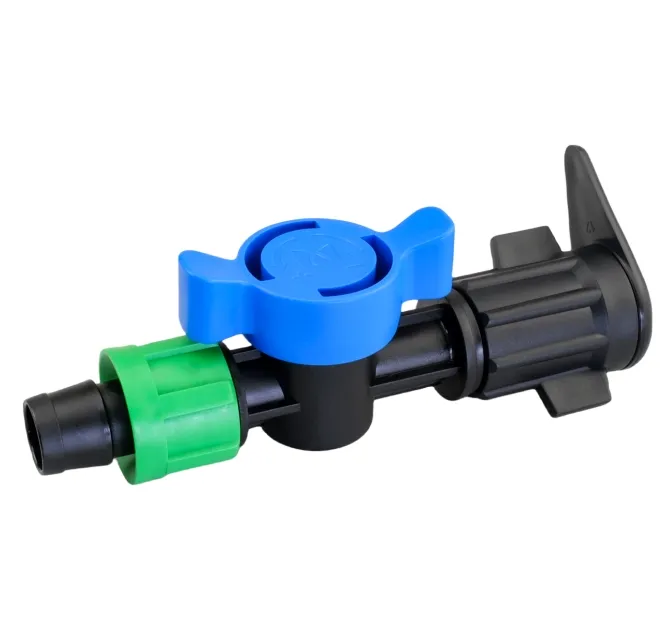
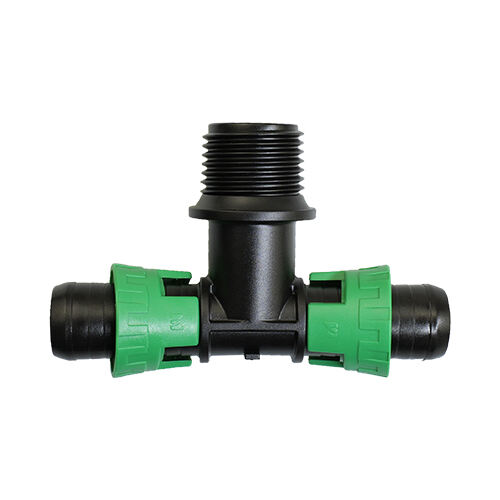
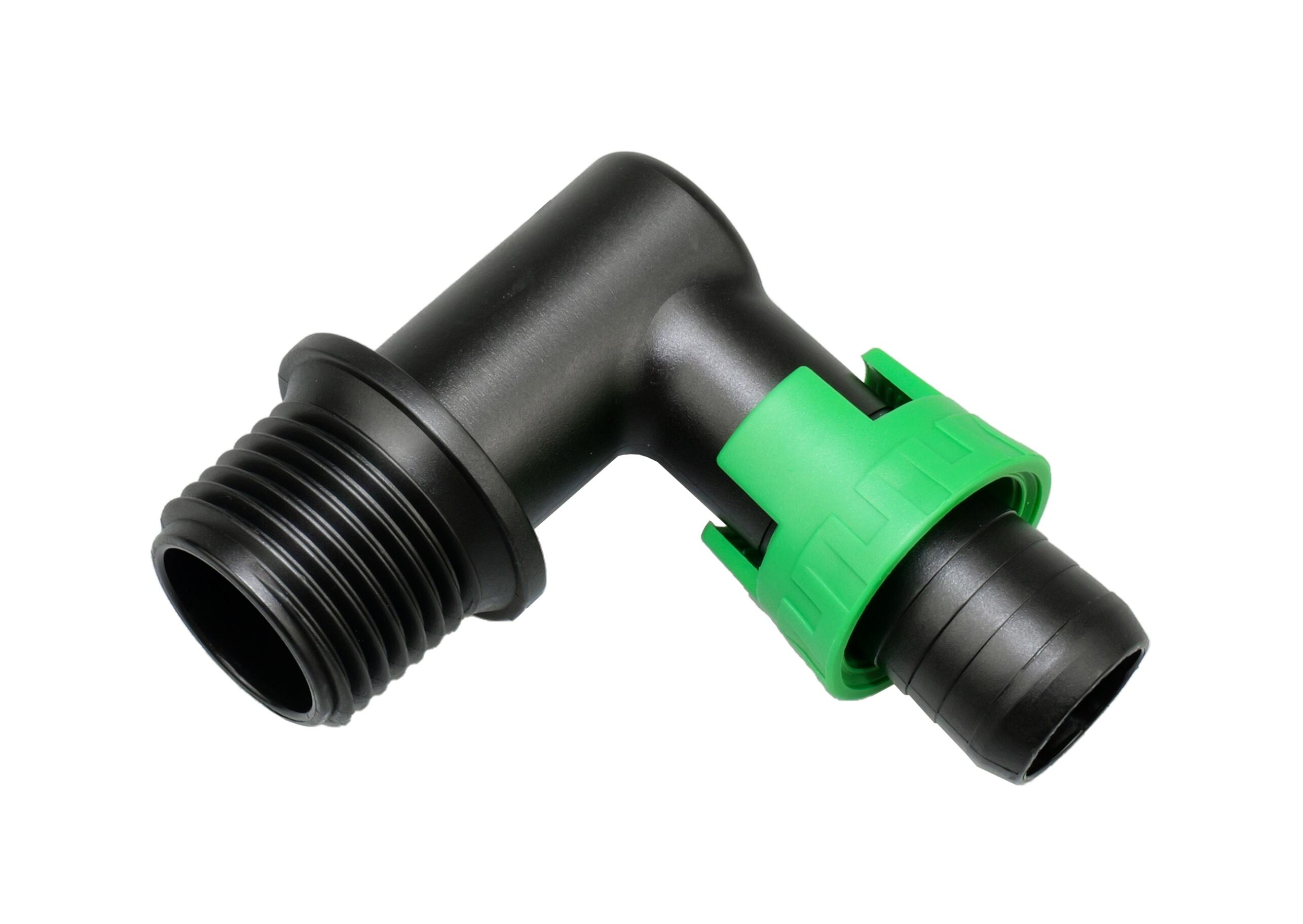
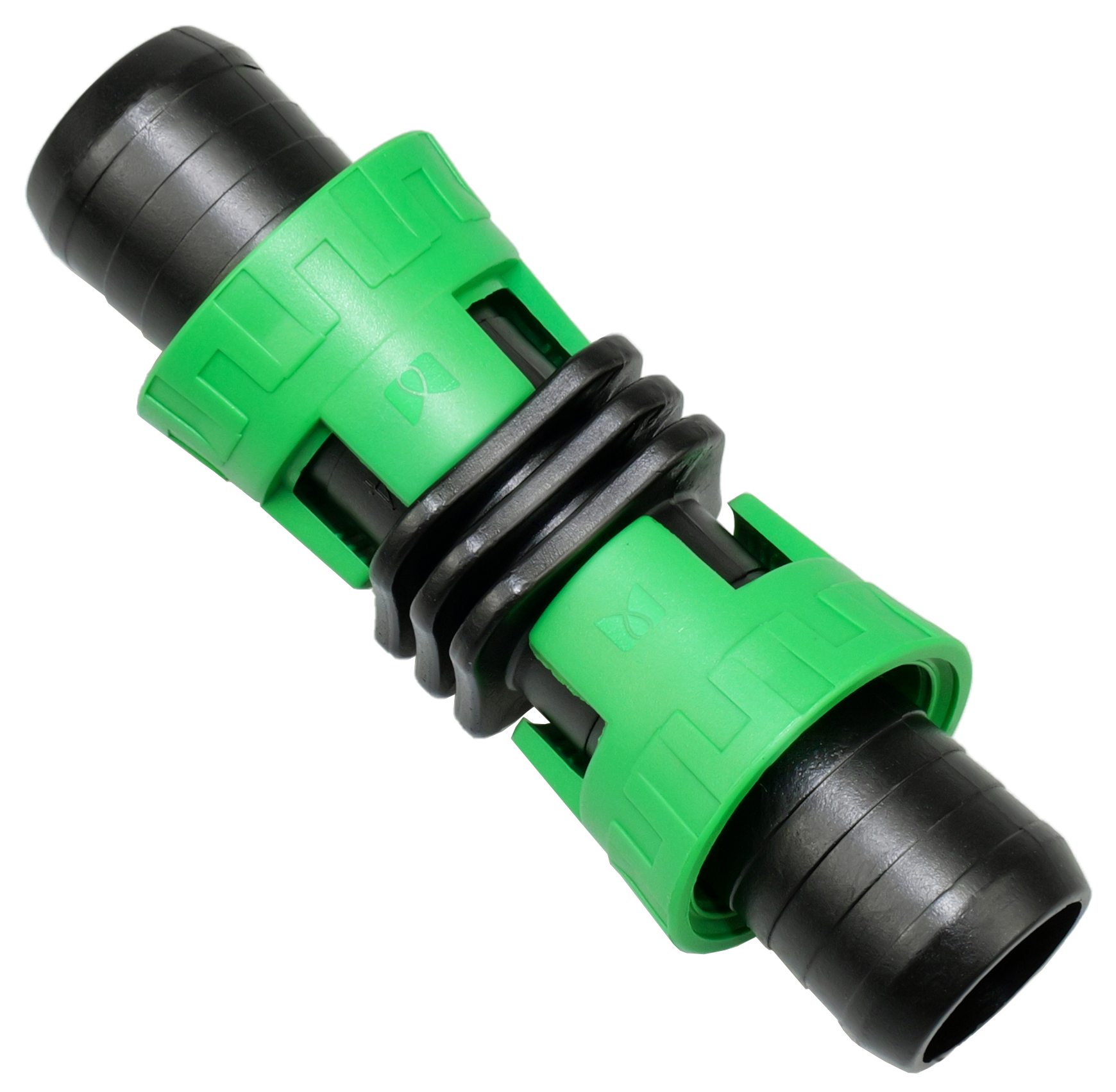
Easy installation and maintenance capabilities make tape drip irrigation systems accessible to farmers of all experience levels while minimizing setup time and ongoing operational requirements. The lightweight tape design allows single-person installation across extensive field areas without heavy equipment or specialized tools, reducing labor costs and project complexity. Pre-assembled components include factory-installed emitters, pressure-tested connections, and standardized fittings that eliminate field assembly errors and ensure consistent system performance from initial startup. Installation flexibility accommodates various field layouts, crop spacing, and terrain conditions through modular design principles that adapt to rectangular, irregular, or terraced agricultural areas. The system requires minimal excavation since surface installation methods protect tape from cultivation damage while maintaining easy access for maintenance and seasonal removal. Connection procedures utilize simple barbed fittings, compression couplers, and twist-lock mechanisms that create secure joints without requiring specialized plumbing knowledge or expensive installation tools. Startup procedures involve basic steps including system flushing, pressure adjustment, and flow rate verification that farmers complete using standard agricultural equipment and basic measurement tools. Maintenance schedules typically require monthly visual inspections, seasonal system flushing, and annual emitter performance checks that prevent major issues and extend system lifespan. Troubleshooting guides provide clear diagnostic procedures for identifying and resolving common issues such as low pressure, uneven water distribution, or emitter blockages through simple corrective actions. Repair procedures utilize readily available replacement parts including tape sections, emitter inserts, and connection fittings that restore system function without complete replacement requirements. Seasonal storage involves simple draining and coiling procedures that protect system components during off-season periods without requiring specialized storage facilities or climate-controlled environments. The maintenance simplicity extends to cleaning procedures that utilize standard filtration systems, periodic flushing cycles, and compatible cleaning agents that prevent buildup without damaging system components. Technical support includes comprehensive installation manuals, video tutorials, and expert consultation services that guide farmers through setup and maintenance procedures. Training programs help agricultural workers develop system management skills through hands-on workshops and continuing education opportunities that maximize irrigation efficiency and system longevity.
Get a Free Quote

Our representative will contact you soon.
Email
Name
Company Name
Message
0/1000