irrigation valve
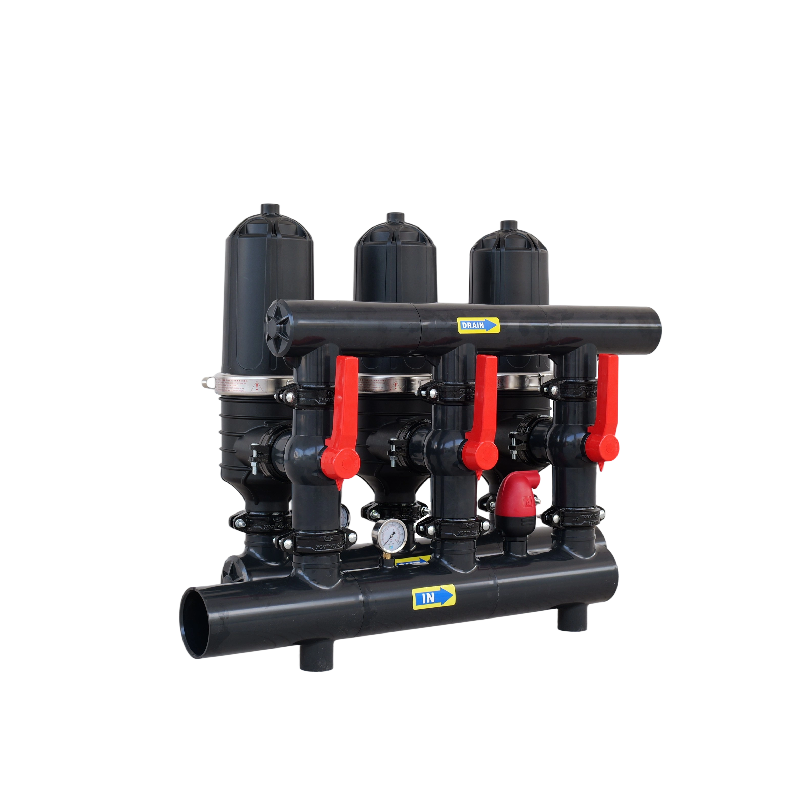
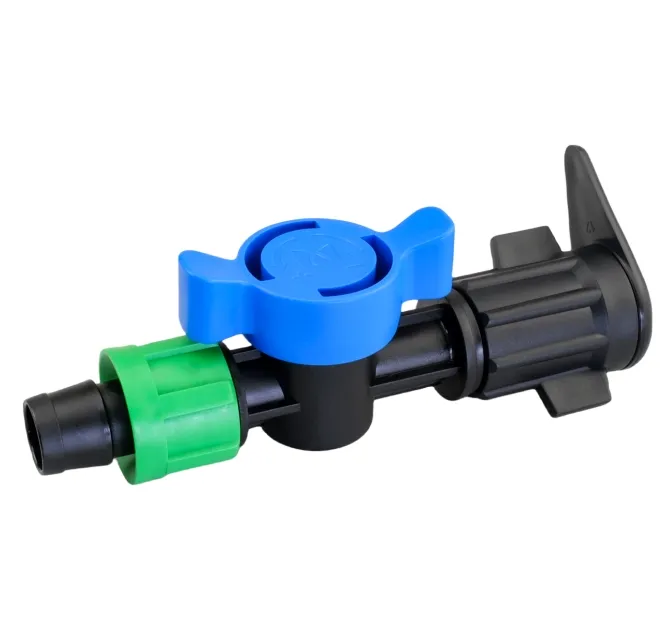
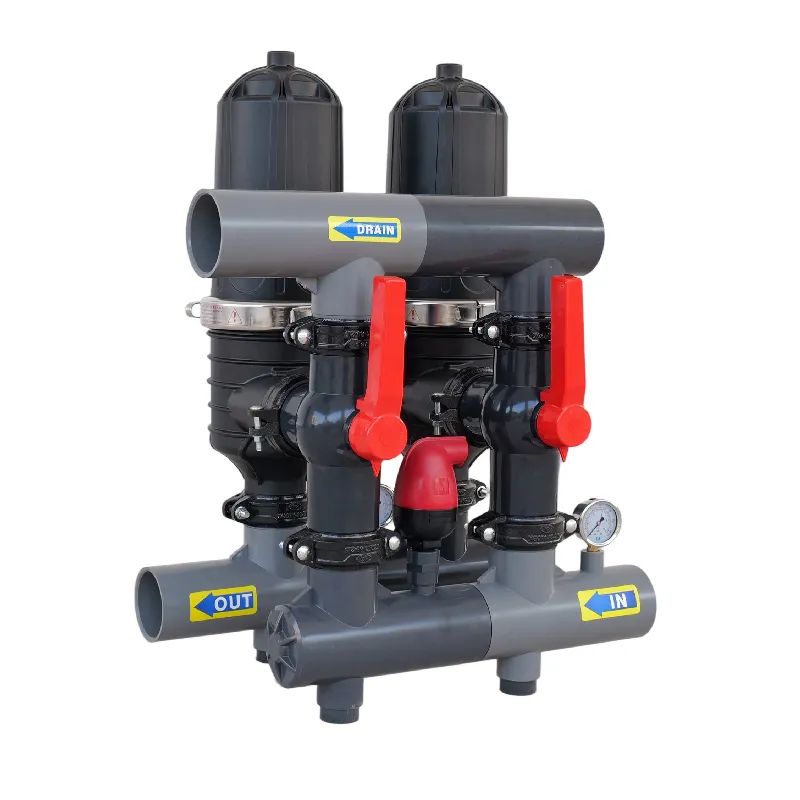
An irrigation valve serves as the fundamental control mechanism in modern water distribution systems, regulating the flow of water to designated areas within agricultural fields, residential landscapes, and commercial properties. This essential component operates by opening and closing pathways through which water travels, ensuring precise delivery to plants and crops when needed most. The irrigation valve functions through various actuation methods, including manual operation, electric solenoids, and hydraulic mechanisms, each designed to meet specific operational requirements and environmental conditions. Modern irrigation valves incorporate advanced materials such as corrosion-resistant plastics, brass, and stainless steel components that withstand harsh weather conditions and chemical exposure from fertilizers and soil treatments. The technological sophistication of today's irrigation valve systems includes pressure regulation capabilities, flow rate adjustment mechanisms, and integrated sensors that monitor soil moisture levels and weather patterns. These intelligent features enable automatic operation schedules that optimize water usage while maintaining healthy plant growth. Agricultural applications benefit significantly from irrigation valve installations, particularly in large-scale farming operations where water conservation and precise distribution directly impact crop yields and operational costs. Residential users appreciate the convenience and reliability that quality irrigation valve systems provide for maintaining lawns, gardens, and landscape features without constant manual intervention. Commercial properties utilize irrigation valve networks to maintain attractive outdoor spaces while adhering to water usage regulations and sustainability goals. The versatility of irrigation valve designs allows for customization based on specific terrain challenges, water pressure variations, and coverage area requirements, making them suitable for diverse installation environments from small residential gardens to expansive agricultural enterprises.

 EN
EN