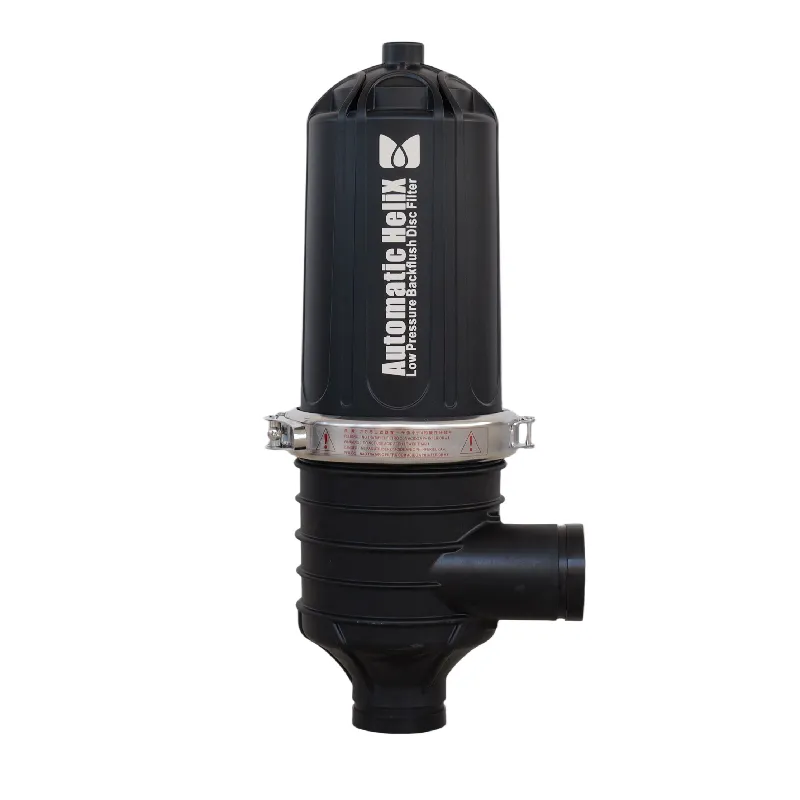
Normally Open Irrigation Solenoid Valve: Fail-Safe Water Control Technology

All Categories

Get a Free Quote

Our representative will contact you soon.
Email
Name
Whats App
Message
0/1000

normally open irrigation solenoid valve

A normally open irrigation solenoid valve represents a sophisticated water control mechanism designed specifically for agricultural and landscaping irrigation systems. Unlike conventional normally closed valves, this innovative device maintains an open position by default, allowing continuous water flow until electrical power activates the solenoid coil to close the valve. This fundamental operational difference makes the normally open irrigation solenoid valve particularly valuable in applications requiring fail-safe water delivery. The valve's primary function involves controlling water distribution throughout irrigation networks, ensuring consistent hydration for crops, gardens, and commercial landscapes. When electrical current flows through the solenoid coil, electromagnetic forces generate movement in the valve's internal components, creating a closure that stops water flow. Conversely, when power is removed or interrupted, the valve automatically returns to its open state, guaranteeing water access even during electrical failures. Technologically, the normally open irrigation solenoid valve incorporates precision-engineered components including a durable solenoid coil, corrosion-resistant valve body, and reliable sealing mechanisms. These valves typically feature robust construction using materials like stainless steel, brass, or reinforced plastics to withstand harsh outdoor conditions and varying water pressures. Advanced models include pressure regulation capabilities, flow rate adjustments, and compatibility with modern irrigation control systems. The applications for normally open irrigation solenoid valves span numerous sectors including commercial agriculture, residential landscaping, greenhouse operations, and municipal water management systems. Farmers utilize these valves in drip irrigation systems, sprinkler networks, and hydroponic installations where consistent water availability is critical for plant health. Landscape architects incorporate them into automated watering systems for parks, golf courses, and commercial properties. The normally open irrigation solenoid valve's versatility extends to emergency irrigation scenarios where power outages could otherwise compromise plant survival. Additionally, these valves prove essential in remote agricultural locations where electrical reliability may be questionable, providing peace of mind through their fail-safe design that prioritizes water access over power dependency.


Popular Products

The normally open irrigation solenoid valve delivers exceptional reliability that transforms how agricultural and landscape professionals manage water distribution systems. This innovative design provides continuous water flow as the default state, eliminating concerns about crop damage during power outages or system failures. Property owners and farm managers gain significant peace of mind knowing their valuable plants receive consistent hydration regardless of electrical interruptions. The valve's fail-safe mechanism ensures that irrigation continues automatically when power disruptions occur, preventing costly crop losses and maintaining landscape aesthetics. Energy efficiency represents another compelling advantage of the normally open irrigation solenoid valve configuration. Traditional normally closed valves require constant electrical power to maintain open positions, consuming energy throughout extended irrigation cycles. In contrast, the normally open irrigation solenoid valve only draws power when closing is necessary, dramatically reducing overall energy consumption and operational costs. This efficiency translates into substantial savings for large-scale agricultural operations and commercial properties with extensive irrigation requirements. Maintenance requirements decrease significantly with normally open irrigation solenoid valve systems due to their simplified operational mechanics. The default open position reduces wear on internal components since the valve spends most operational time in its natural state without electromagnetic stress. This design philosophy extends valve lifespan and reduces replacement frequency, lowering long-term maintenance expenses. Installation versatility makes the normally open irrigation solenoid valve suitable for diverse applications across various irrigation scenarios. These valves integrate seamlessly with existing irrigation infrastructure, smart control systems, and automated scheduling equipment. Their adaptability allows retrofitting into older systems without extensive modifications, saving installation time and costs. Remote monitoring capabilities enable operators to track valve performance and system efficiency from centralized control locations. Water conservation benefits emerge through precise flow control and reduced waste during system transitions. The normally open irrigation solenoid valve eliminates startup delays and pressure fluctuations that typically occur with normally closed alternatives, ensuring immediate water delivery when irrigation cycles begin. This responsiveness optimizes watering schedules and prevents over-irrigation scenarios that waste precious water resources while potentially damaging sensitive root systems through excessive moisture exposure.

Practical Tips

Durable Drip Tape Solutions for Efficient Agricultural Irrigation Systems

Durable Drip Tape Solutions for Efficient Agricultural Irrigation Systems

Explore the benefits and techniques of drip tape irrigation systems in modern agriculture. Learn how these systems improve water efficiency, crop yield, and sustainability while reducing waste and fostering environmental stewardship.
View More
Maximize Crop Yield with Precision Drip Line Configurations

16

Jun

Maximize Crop Yield with Precision Drip Line Configurations

Explore the fundamentals of precision drip irrigation, comparing core components like drip tape and drip lines, and learn about water conservation, system management, and ROI in agriculture. Ideal for enhancing sustainable farming practices.
View More
 Comparing Traditional vs. Modern Drip Irrigation Tape Systems

23

Jul

Comparing Traditional vs. Modern Drip Irrigation Tape Systems

Discover the key differences between traditional and modern drip irrigation systems, highlighting water efficiency, technological advancements, and cost-effectiveness. Learn how modern systems improve water conservation, crop yield, and sustainability in agriculture.
View More
What Is Drip Tape and How Does It Support Irrigation

05

Sep

What Is Drip Tape and How Does It Support Irrigation

Discover how drip tape irrigation boosts water efficiency by up to 95%, improves crop yields, and reduces costs. Learn about installation, benefits, and smart integration. Explore solutions now.
View More

Get a Free Quote

Our representative will contact you soon.
Email
Name
Company Name
Message
0/1000

normally open irrigation solenoid valve

Fail-Safe Water Security for Critical Applications

Fail-Safe Water Security for Critical Applications

The normally open irrigation solenoid valve provides unmatched security for critical irrigation applications where water interruption could result in devastating consequences. This fail-safe design philosophy prioritizes plant survival over electrical dependency, making it the preferred choice for high-value crop production and sensitive landscape installations. Unlike traditional normally closed valves that cease water flow during power failures, the normally open irrigation solenoid valve maintains continuous water delivery as its default operational state. This fundamental advantage proves invaluable for greenhouse operations cultivating exotic plants, commercial nurseries managing valuable inventory, and agricultural facilities growing temperature-sensitive crops that require consistent moisture levels. The fail-safe mechanism operates through electromagnetic principles where the solenoid coil must receive electrical current to close the valve, meaning any power interruption automatically restores water flow. This design eliminates single points of failure that plague conventional irrigation systems, where electrical malfunctions can quickly lead to plant stress, reduced yields, or complete crop failure. Commercial growers particularly appreciate this reliability during critical growing seasons when even brief irrigation interruptions can compromise months of cultivation investment. The normally open irrigation solenoid valve's fail-safe characteristics extend beyond simple power outage protection to include safeguards against control system malfunctions, wiring failures, and programming errors. Advanced agricultural operations implement these valves as backup systems alongside primary irrigation controls, creating redundant protection layers that ensure water delivery under various failure scenarios. This reliability factor becomes especially crucial in remote agricultural locations where immediate technical support may be unavailable, and automated systems must operate independently for extended periods. The peace of mind provided by normally open irrigation solenoid valve technology allows operators to focus on crop management and optimization rather than constant system monitoring and failure prevention.
Superior Energy Efficiency and Cost Reduction

Superior Energy Efficiency and Cost Reduction

The normally open irrigation solenoid valve delivers exceptional energy efficiency through its innovative power consumption model that fundamentally differs from conventional valve designs. This efficiency advantage stems from the valve's natural open position that requires zero electrical energy to maintain water flow during standard irrigation operations. Traditional normally closed valves consume continuous electrical power throughout entire irrigation cycles to keep valves open, resulting in substantial energy costs over time. The normally open irrigation solenoid valve reverses this paradigm by only drawing power when valve closure becomes necessary, typically during brief intervals between irrigation cycles or for emergency shutoff situations. This power consumption reduction can translate into significant operational savings for large-scale agricultural operations, commercial properties, and municipal irrigation systems that operate multiple valves simultaneously across extensive networks. Energy audits conducted on irrigation systems utilizing normally open irrigation solenoid valve technology consistently demonstrate measurable reductions in electrical consumption compared to equivalent normally closed installations. These savings compound over time, particularly in operations running continuous or frequent irrigation schedules such as hydroponic facilities, greenhouse complexes, and intensive agricultural production sites. The environmental benefits extend beyond cost savings to include reduced carbon footprint and decreased strain on electrical grid infrastructure during peak irrigation periods. Smart irrigation controllers paired with normally open irrigation solenoid valve systems can optimize energy usage further by coordinating valve operations to minimize simultaneous power draws and take advantage of off-peak electrical rates. This intelligent energy management becomes increasingly important as utility costs rise and environmental regulations tighten. The normally open irrigation solenoid valve's efficiency also reduces heat generation compared to continuously powered alternatives, extending component lifespan and reducing cooling requirements in enclosed installations. This thermal efficiency contributes to overall system reliability and reduces maintenance interventions required for heat-related component degradation.
Enhanced System Reliability and Reduced Maintenance

Enhanced System Reliability and Reduced Maintenance

The normally open irrigation solenoid valve architecture provides superior system reliability through reduced mechanical stress and simplified operational requirements that minimize maintenance needs and extend service life. This reliability advantage originates from the valve's design philosophy where the default open position aligns with the component's natural mechanical state, eliminating continuous electromagnetic strain on internal mechanisms. Traditional normally closed valves maintain closed positions through constant spring tension and electromagnetic force application, creating ongoing stress on seals, springs, and solenoid components that accelerates wear patterns and necessitates frequent maintenance interventions. The normally open irrigation solenoid valve operates with minimal mechanical stress during normal irrigation cycles, as internal components rest in their natural equilibrium position without forcing mechanisms or continuous electromagnetic engagement. This reduced stress environment significantly extends component lifespan and decreases failure rates across irrigation system networks. Maintenance schedules for normally open irrigation solenoid valve installations typically require less frequent inspections and component replacements compared to equivalent normally closed systems. The simplified maintenance requirements translate into reduced operational costs, decreased system downtime, and improved overall irrigation reliability for commercial and agricultural applications. Field testing data consistently demonstrates longer service intervals and reduced replacement part requirements for normally open irrigation solenoid valve installations across various environmental conditions and usage patterns. The valve's robust construction handles pressure fluctuations, temperature variations, and water quality challenges with greater resilience due to its stress-reduced operational mode. Diagnostic capabilities built into modern normally open irrigation solenoid valve systems enable predictive maintenance scheduling that identifies potential issues before component failures occur. This proactive maintenance approach prevents unexpected system interruptions and optimizes replacement part inventory management. Remote monitoring integration allows maintenance teams to track valve performance metrics, operational cycles, and environmental conditions that influence component longevity. The normally open irrigation solenoid valve's reliability extends to harsh environmental conditions including extreme temperatures, high humidity, and exposure to agricultural chemicals that typically challenge conventional valve systems through accelerated corrosion and seal degradation.

Get a Free Quote

Our representative will contact you soon.
Email
Name
Company Name
Message
0/1000