farm irrigation automation system
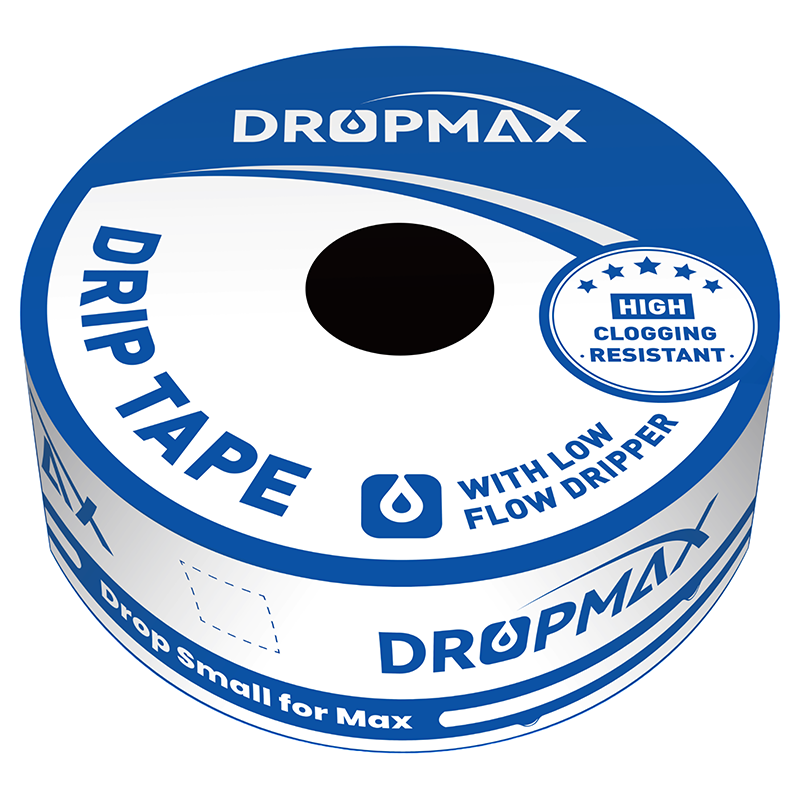
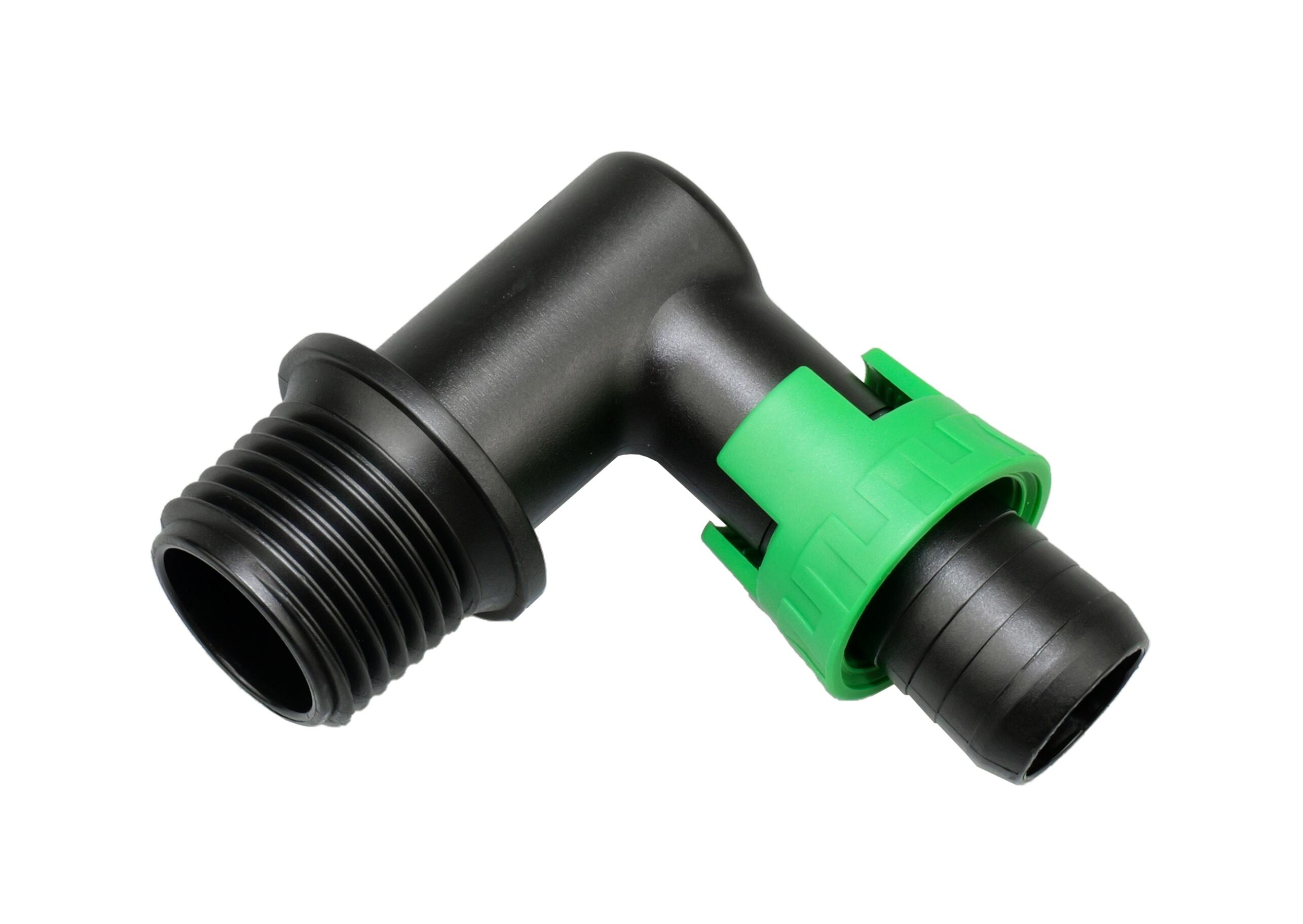
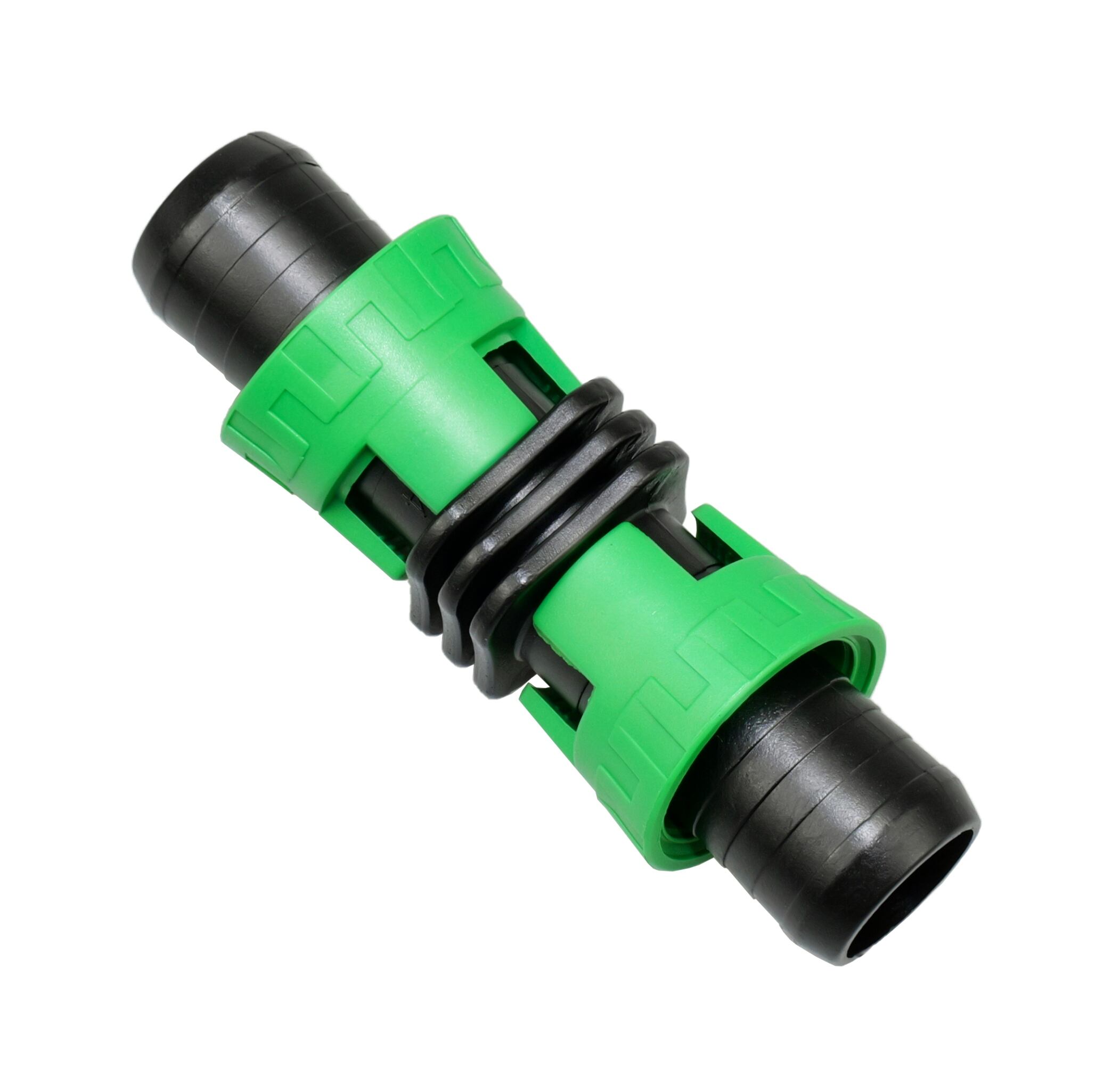
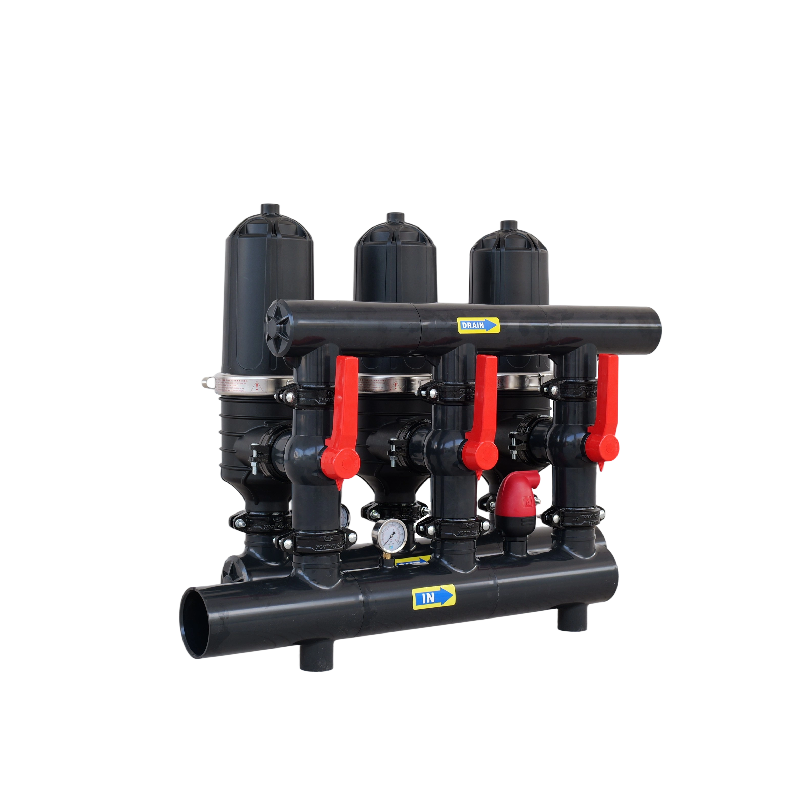
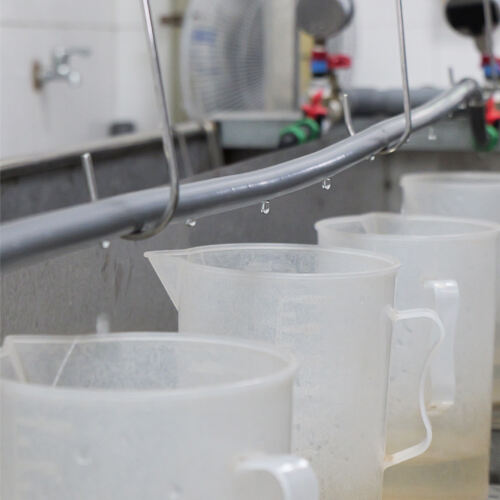
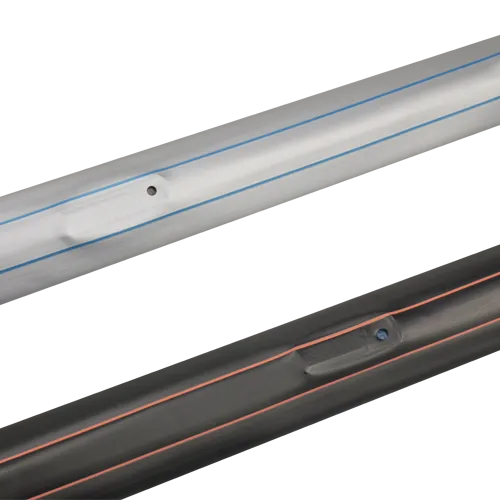
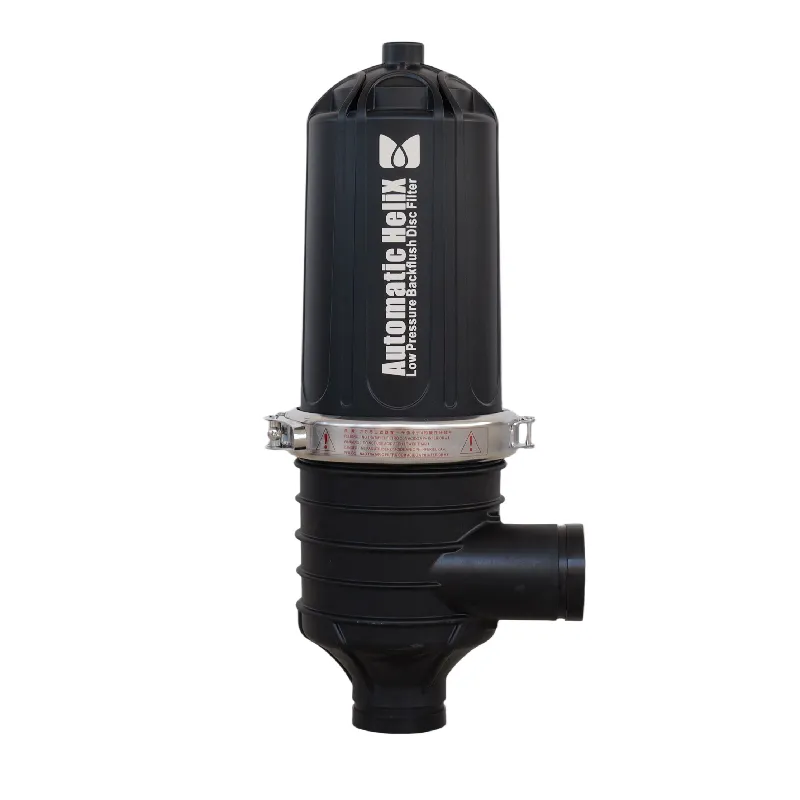
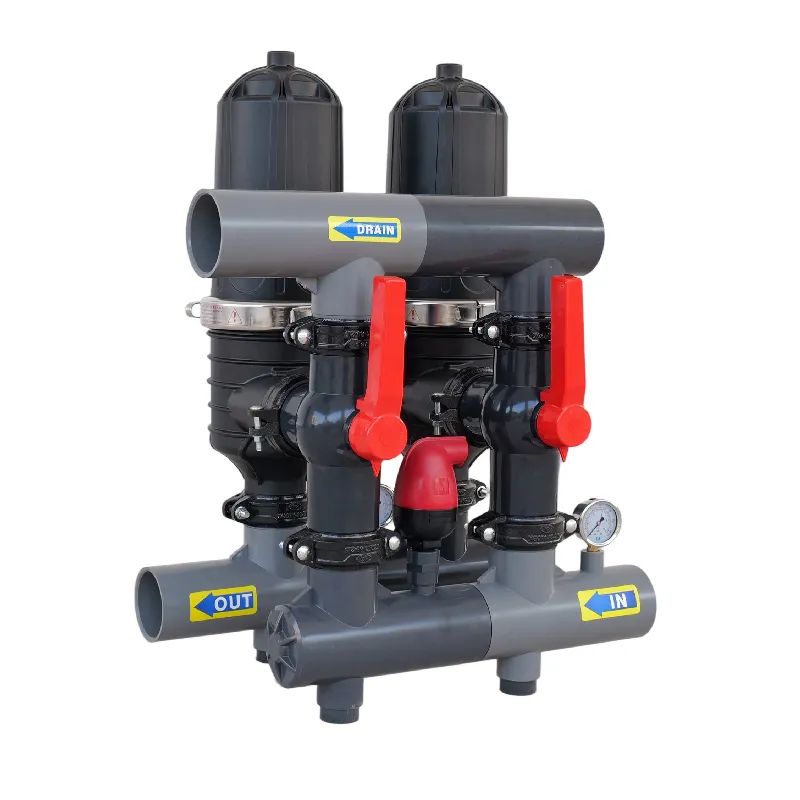
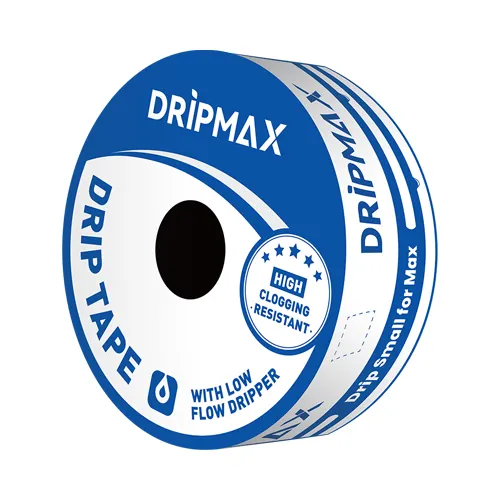
A farm irrigation automation system represents a revolutionary approach to agricultural water management that combines advanced technology with practical farming needs. This sophisticated system integrates sensors, controllers, pumps, valves, and monitoring equipment to deliver precise water distribution across agricultural fields without constant human intervention. The core functionality revolves around real-time soil moisture detection, weather monitoring, and automated scheduling to optimize crop hydration while minimizing water waste. Modern farm irrigation automation systems utilize wireless connectivity, cloud-based data analytics, and mobile applications to provide farmers with comprehensive control over their irrigation operations. The system continuously monitors environmental conditions including soil temperature, humidity levels, rainfall patterns, and evapotranspiration rates to make intelligent watering decisions. Smart controllers process this information and activate irrigation zones based on predetermined parameters and crop-specific requirements. The technological framework incorporates GPS mapping capabilities, enabling precise zone management and customized watering schedules for different crop varieties within the same field. Advanced filtration systems ensure water quality while pressure regulators maintain consistent flow rates across the entire network. Remote monitoring capabilities allow farmers to track system performance, receive alerts about potential issues, and adjust settings from anywhere using smartphone applications. The farm irrigation automation system supports multiple irrigation methods including drip irrigation, sprinkler systems, and micro-spray configurations, adapting to various crop types and field conditions. Integration with weather forecasting services prevents unnecessary watering during predicted rainfall events, further enhancing water conservation efforts. Data logging features maintain detailed records of water usage, system performance, and crop response patterns, providing valuable insights for seasonal planning and long-term agricultural strategy development.

 EN
EN