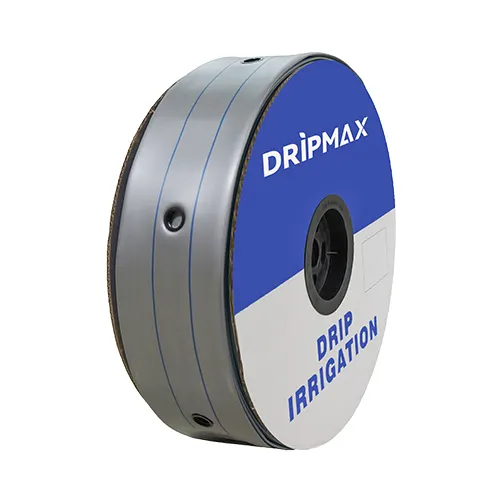
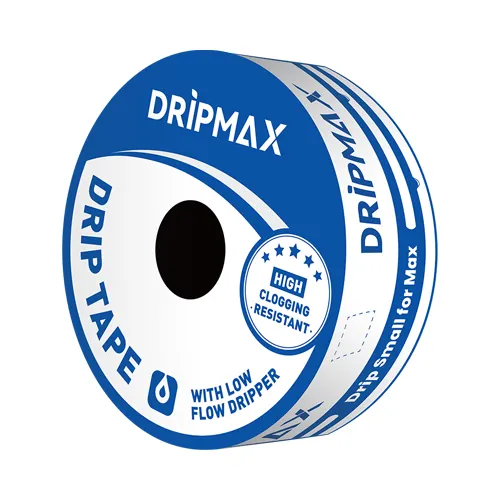
commercial drip irrigation
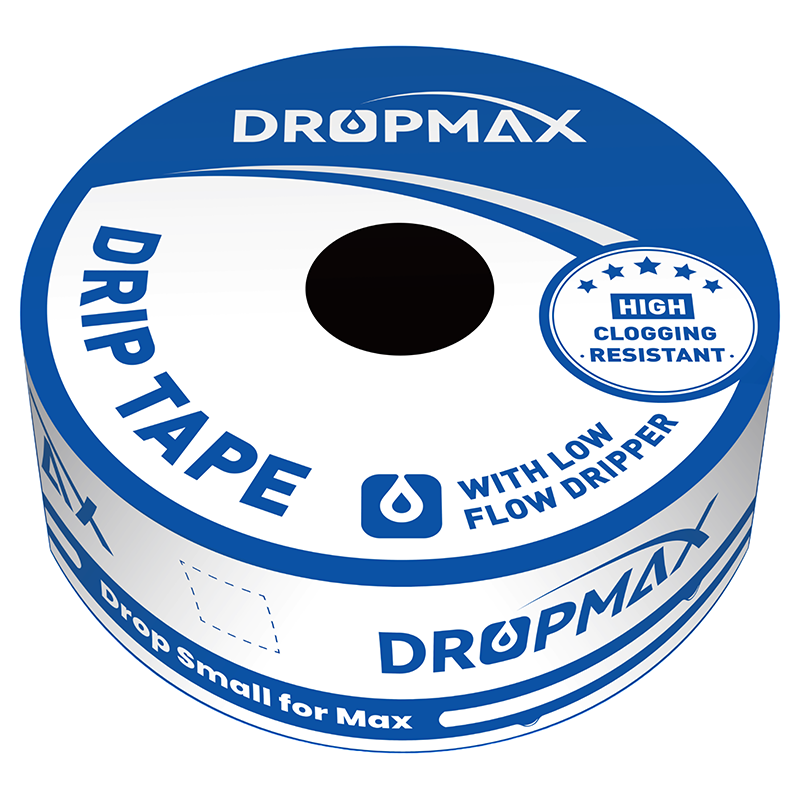

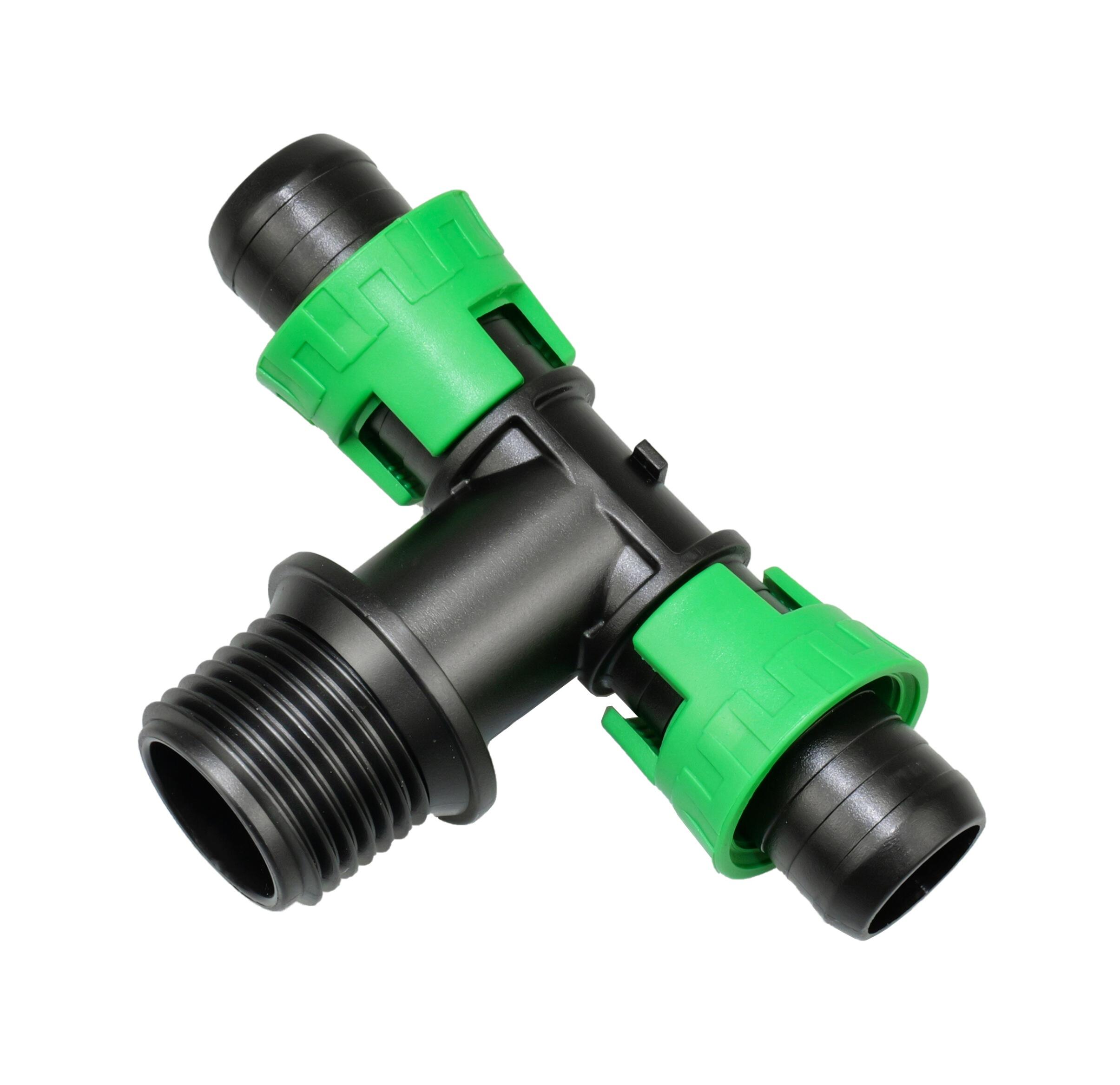
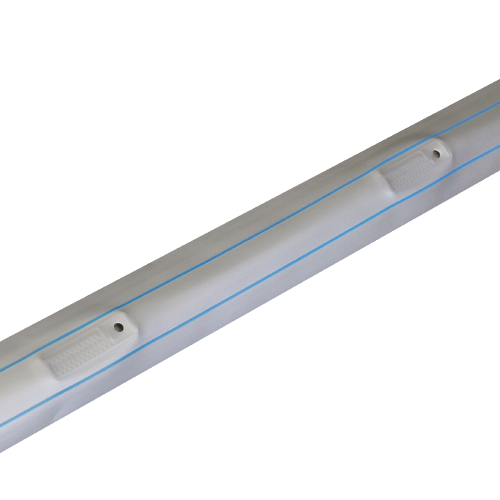
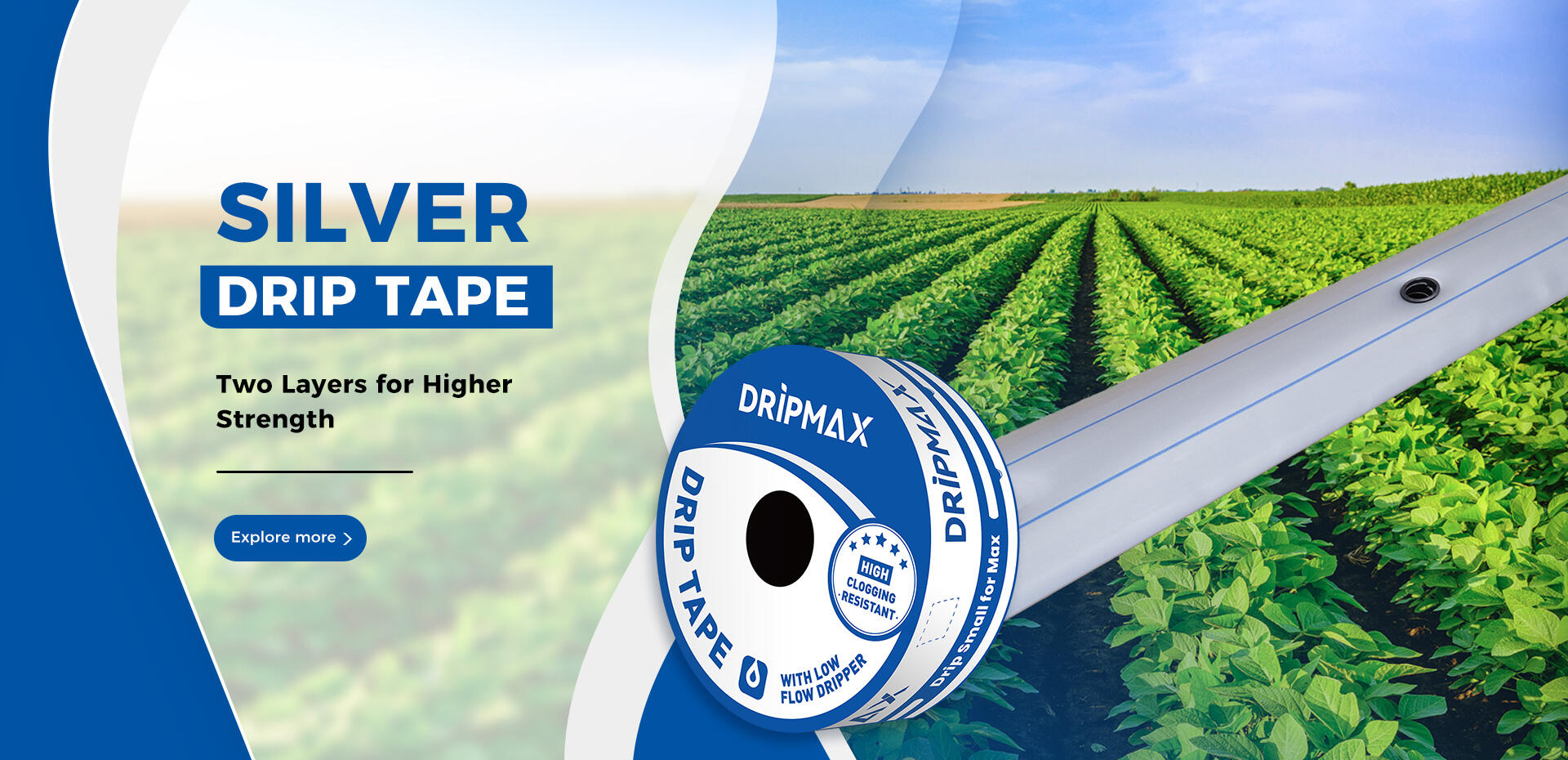
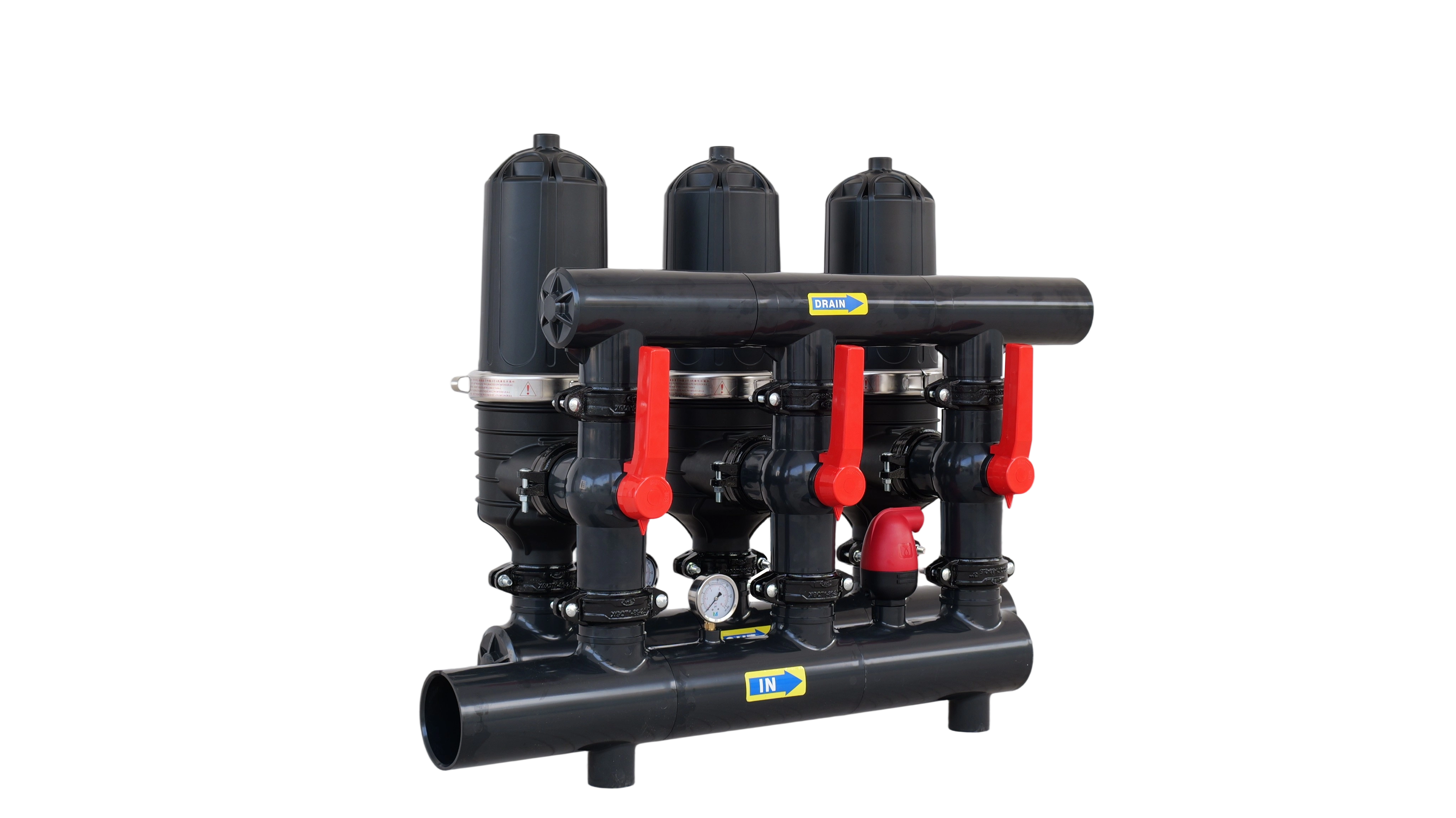
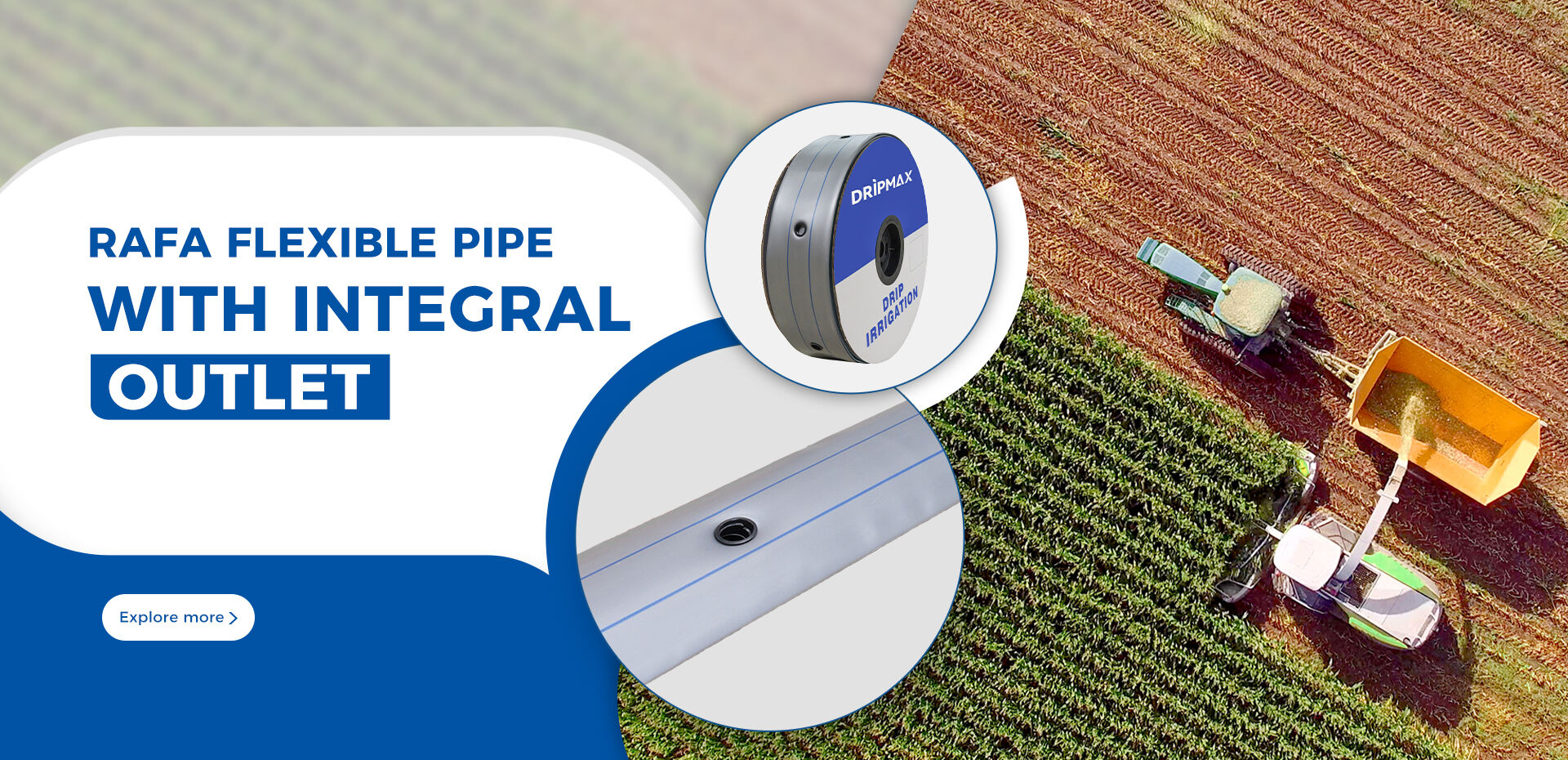
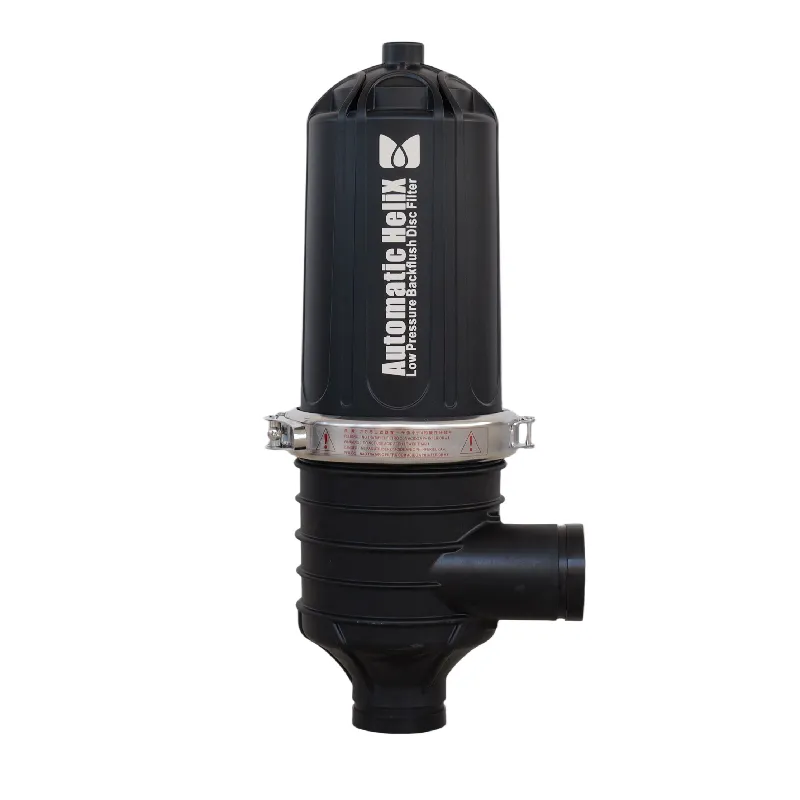
Commercial drip irrigation represents a revolutionary water delivery system that transforms how businesses approach agricultural and landscape management. This advanced irrigation technology delivers water directly to plant roots through a network of tubes, pipes, and emitters, ensuring precise water distribution across large-scale operations. Commercial drip irrigation systems consist of main components including water sources, filtration units, pressure regulators, distribution lines, and specialized emitters that control water flow rates. The system operates by maintaining consistent water pressure throughout the network, allowing controlled water release at predetermined intervals and volumes. Modern commercial drip irrigation incorporates smart sensors, automated timers, and weather-based controllers that adjust watering schedules based on environmental conditions. The technology features multiple emitter types, including pressure-compensating drippers, micro-sprinklers, and adjustable flow devices that accommodate various plant requirements and soil conditions. Commercial applications span diverse sectors including agriculture, greenhouse operations, nurseries, golf courses, commercial landscaping, and industrial facilities. The system's modular design allows customization for specific crop types, terrain variations, and water source limitations. Installation involves careful planning of zone layouts, pipe sizing calculations, and emitter spacing to optimize water distribution efficiency. Commercial drip irrigation systems integrate seamlessly with existing infrastructure, supporting both new installations and retrofitting older irrigation methods. Advanced filtration components prevent clogging while maintaining consistent water quality throughout the system. The technology supports fertigation capabilities, allowing nutrient delivery through the same network that provides irrigation. Professional commercial drip irrigation systems offer scalability options that accommodate business growth and changing operational requirements while maintaining optimal performance standards across extensive coverage areas.

 EN
EN